

Agility's new humanoid robot stops and squats to protect humans
Agility Robotics has developed a new humanoid robot designed to work outside physical cages and safety barriers, featuring automatic stopping and squatting to protect human coworkers.
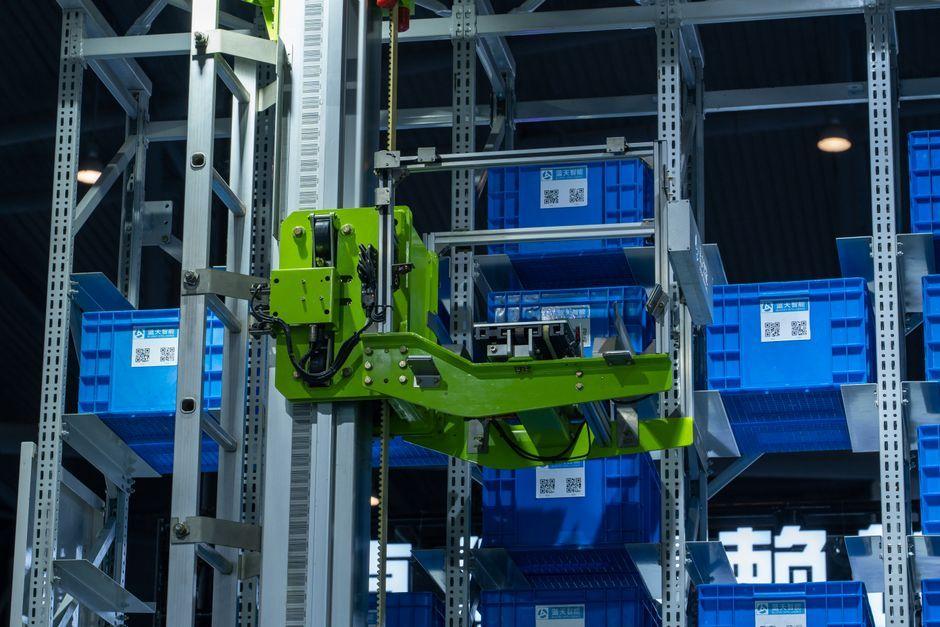
Stock photo for illustration only, not from the actual event
- Agility develops humanoid robot to work outside safety cages
- New safety system automatically stops and squats
- Prevents accidents when working alongside human coworkers
- Eliminates the need for physical safety barriers
The industrial robotics sector is taking a major leap forward as Agility introduces a new humanoid robot capable of operating in close proximity to humans without relying on traditional physical cages or safety barriers. This marks a significant shift in designing robots that prioritize safety for human operators.
A key highlight of this robotic system is its intelligent safety feature designed to prevent accidents. When the robot detects a human approaching closely, it halts its operations and immediately squats down to minimize collision risks and protect its coworkers from harm.
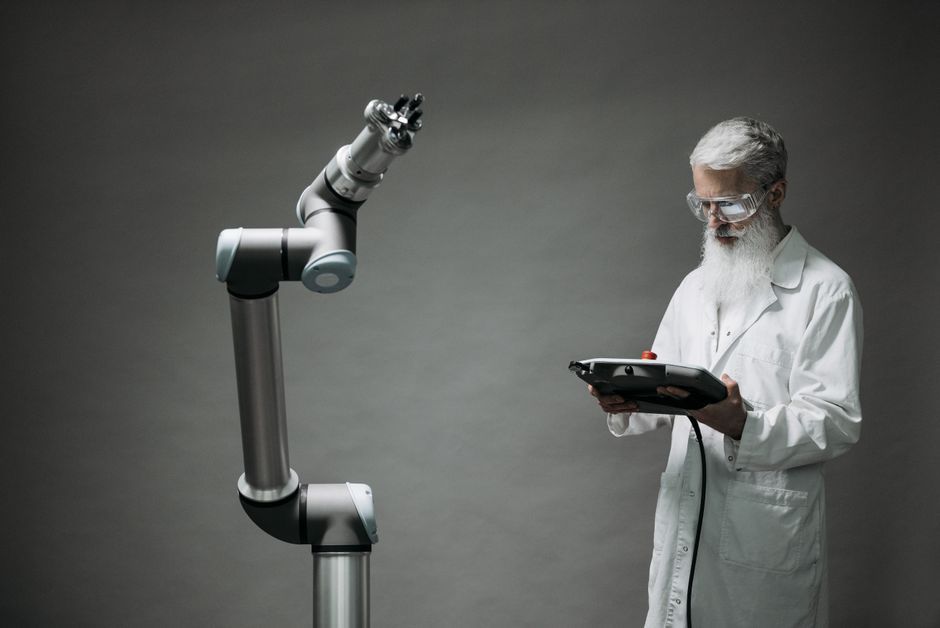
Stock photo for illustration only, not from the actual event
Deploying humanoid robots to work alongside humans without physical barriers represents a major engineering challenge, requiring high-precision sensors and real-time processing to respond to dynamic environments. Agility's approach of stopping and squatting helps reduce blind spots and lowers potential impact force in the event of an unexpected encounter.
This development enables factories and warehouses to benefit from
- Greater flexibility in workspace layout
- Reduced costs associated with safety fencing
- Improved efficiency in collaborative tasks between humans and machines
Source: Ars Technica
Found something wrong in this article? Report an issue with this article
Comments
Leave a Comment