

Why People Are Taping Fitbits to Their Arms
Discover why fitness enthusiasts are taping Fitbit Air devices to their upper arms using CGM overpatches, and how it affects tracking accuracy.
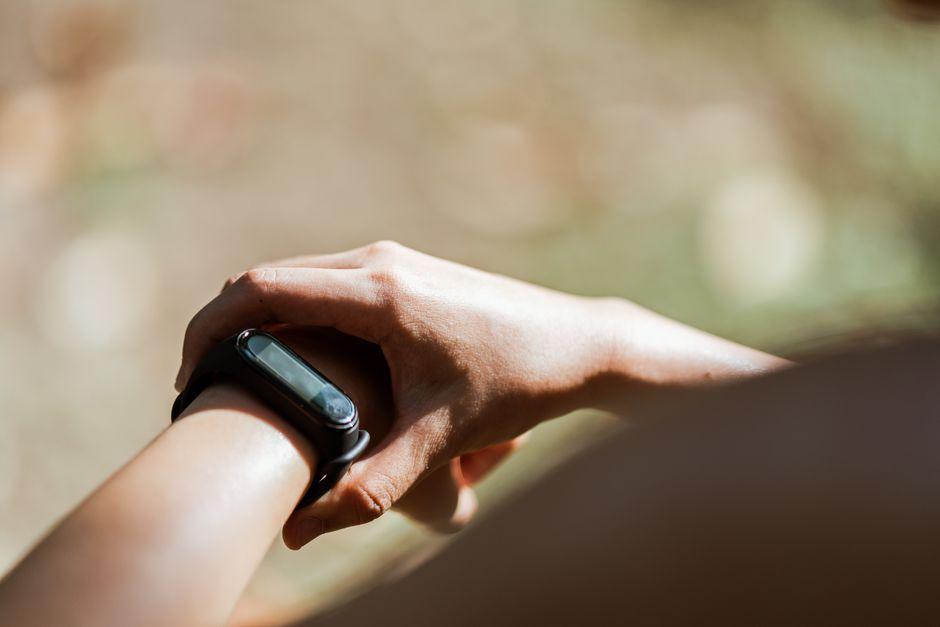
Stock photo for illustration only, not from the actual event
- Taping your Fitbit to the upper arm removes wrist obstruction during heavy workouts.
- CGM overpatches provide secure, sweat-resistant long-term adhesion.
- Heart rate data remains accurate, but auto-activity detection may require manual starting.
A growing trend involves removing the traditional wrist strap and taping a Fitbit Air directly to the arm to clear the wrist area. This modification prevents the device from interfering with wrist wraps, kettlebells, or personal fashion choices like long sleeves and accessories. While these are minor inconveniences, forgetting that you are wearing a fitness tracker altogether offers a streamlined, unobtrusive experience.
The most effective adhesive for this purpose is a CGM overpatch. Continuous Glucose Monitors (CGMs) are typically small plastic devices attached to the back of the upper arm, held securely in place by medical-grade adhesive stickers designed to withstand daily wear and tear.
These medical overpatches match the hardware cycle exceptionally well. A typical CGM patch lasts roughly two weeks, while the Fitbit Air battery operates for about a week. For users wanting their device to stay securely attached through intense workout sessions and showers, an overpatch is more than qualified for the task.
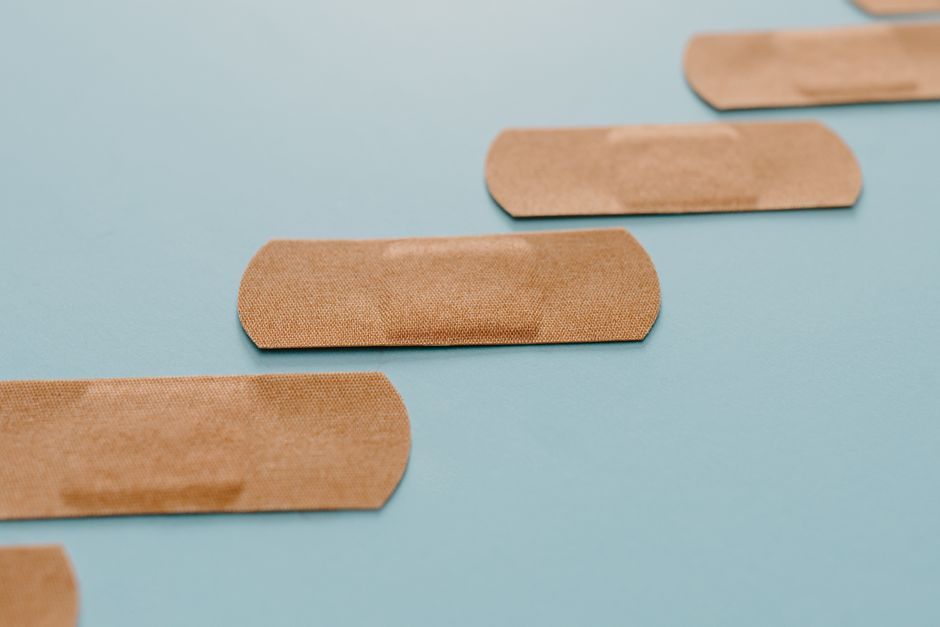
Stock photo for illustration only, not from the actual event
During a hands-on running experiment using an overpatch on the back of the arm, the device remained firmly attached despite heavy sweat, capturing heart rate data that compared favorably against control devices. However, anatomical differences mean upper arm blood vessel access varies by individual. On the positive side, keeping the tracker snug beneath an adhesive patch blocks ambient light, which generally helps improve sensor accuracy.
Relocating a wearable device from the wrist to the upper arm highlights how fitness enthusiasts adapt hardware for specialized training regimens, such as heavy weightlifting where wrist mobility and wrist wraps are essential. While medical adhesives solve physical placement issues, users must compromise on accelerometer-based features that rely strictly on standard arm-swing algorithms.
Activity auto-detection suffered during testing because the Fitbit's algorithms expect wrist-specific movement patterns during exercise. When taken out for an initial run, the device failed to auto-detect the jog, requiring a manual workout start on a second run for proper tracking results. Overall, arm-taping is a viable alternative with minor caveats regarding auto-detection and variable heart rate placement.
Source: Lifehacker
Found something wrong in this article? Report an issue with this article
Comments
Leave a Comment