

Decoding Somdej Wat Rakhang's Million-Baht Border Line
Unveiling the mystery behind the glass border lines on Somdej Wat Rakhang amulets based on Fine Arts Department soapstone carving documents.
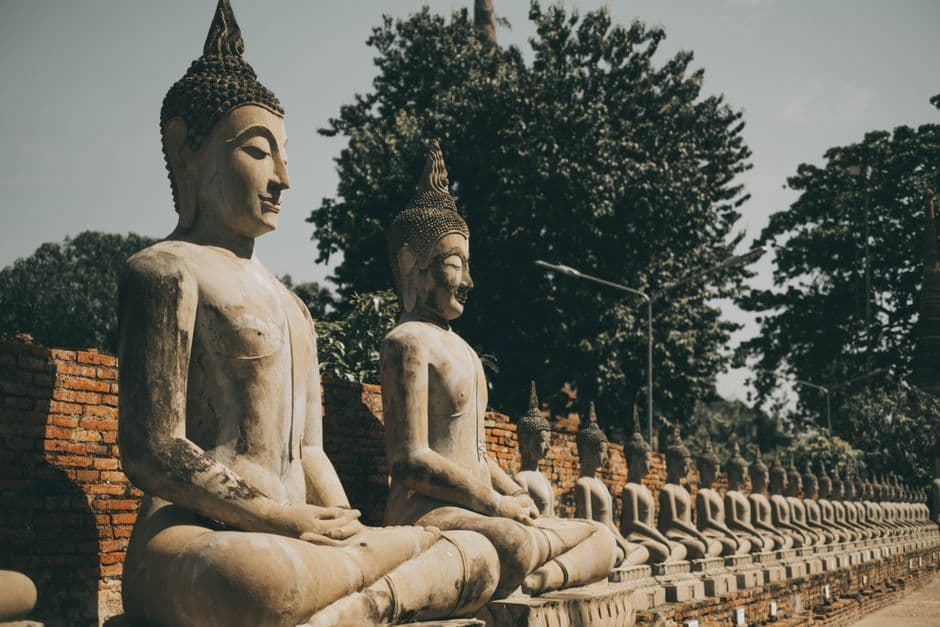
Stock photo for illustration only, not from the actual event
- Glass border lines originated from centerline mapping on soapstone molds
- Big Mold features a unique left border line that merges into the arch
- The border structure helps compact the sacred material for sharper details
Somdej Wat Rakhang amulets possess intricate artistic details that collectors study meticulously, particularly the bounding frame known as the glass border line present across all mold types. Understanding the purpose behind these lines and why the Big Mold differs from others reveals fascinating ancient craftsmanship techniques.
According to academic documents on soapstone mold carving published in 2011 by the Center of Thai Arts and Crafts under the Fine Arts Department, artisans began their work by scratching vertical and horizontal centerlines using sharp iron points or chisels on the soapstone surface, outlining the outer boundaries before carving finer details.
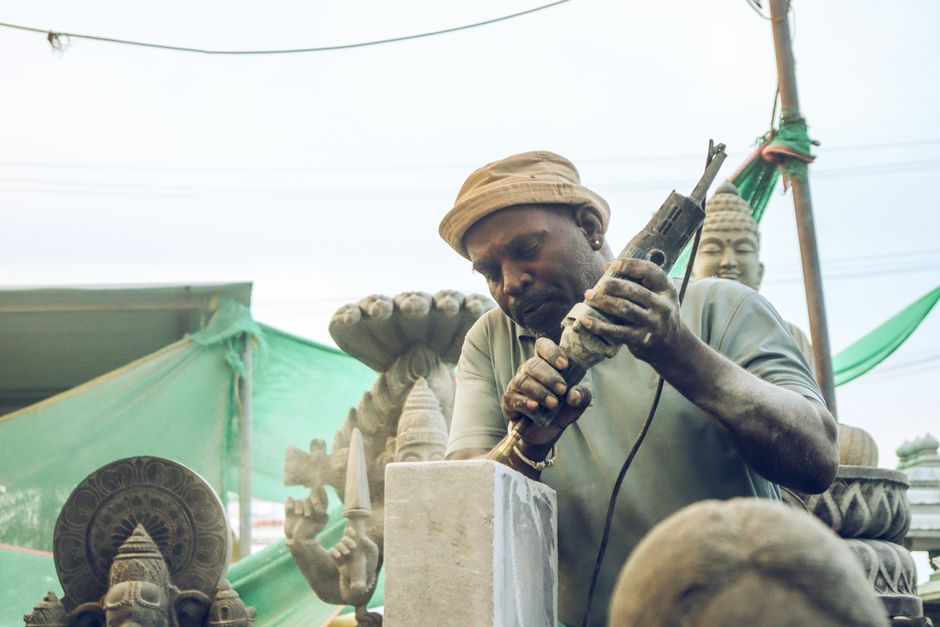
Stock photo for illustration only, not from the actual event
This carving process aligns with the expertise of royal goldsmiths skilled in miniature artistry. Every mold required carving a glass border to define the working area, such as the thin and shallow borders found on the Phim Than Saem, representing early trial molds before subsequent designs became more pronounced.
Typically, the glass border appears as a low-relief vertical rectangle enclosing the main arch, with differing floor levels where the outside is lower. However, the Big Mold diverges significantly from this standard pattern.
"Instead of running as a continuous raised line from top to bottom close to the arch like other molds, it descends to the level of the Buddha's elbow and fades into the arch."
Somdej Amulet ExpertsThis unique characteristic is celebrated by experts as the million-baht line. The Science of Somdej studies suggest this stems from incorporating Western perspective principles, where artisans imagined viewing the principal Buddha image from a seated position inside an ordination hall slightly to the left.
Applying perspective to traditional Thai religious art demonstrates an advanced grasp of spatial depth and visual angles. While crafted primarily for spiritual devotion, these structural considerations gave the sacred amulets a realistic dimension and a distinct architectural profile.
Furthermore, the glass border assisted in pressing the sacred powders firmly against the mold surface, ensuring exceptional sharpness in every detail. It also served as a cutting guide for trimming the amulet edges, whether sliced from back to front while still in the mold or after extraction, as noted by senior expert Prasat Arunarun.
Source:
Thairath Lifestyle
Found something wrong in this article? Report an issue with this article
Comments
Leave a Comment