

Kenya launches urgent probe after 14 elephants found dead near Amboseli
Wildlife authorities in Kenya are investigating the mysterious deaths of 14 elephants surrounding Amboseli National Park, with tissue samples sent to labs to determine the cause.
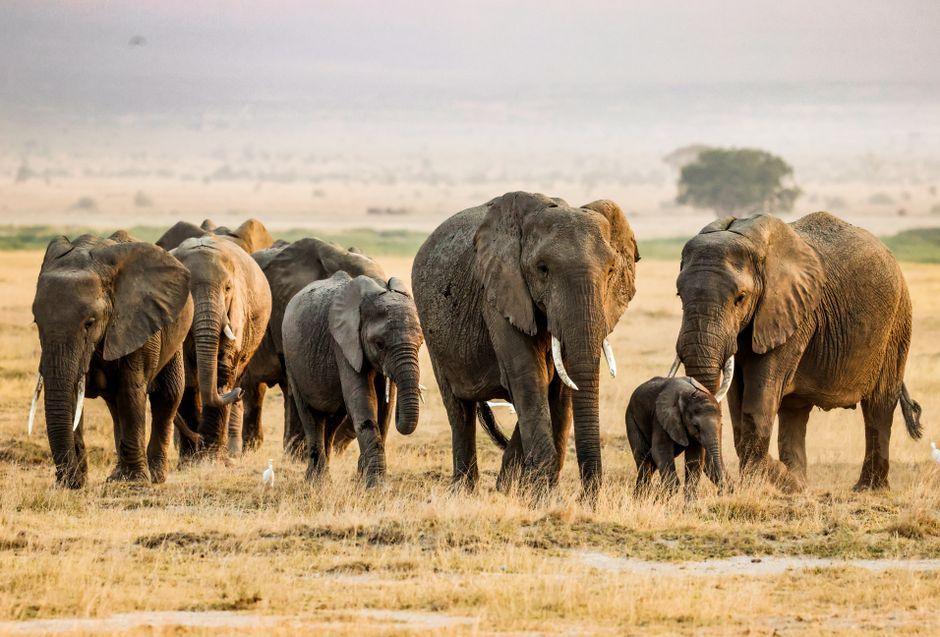
Stock photo for illustration only, not from the actual event
- Fourteen elephants have been found dead in southern Kenya near Amboseli National Park.
- The Kenya Wildlife Service (KWS) has sent tissue samples to laboratories to investigate the cause.
- The carcasses involve various ages and sexes, located 15km to 30km from the park boundaries.
- Officials note this scale of mortality is the first of its kind in decades for the region.
An urgent investigation has been initiated following the unexplained deaths of 14 elephants in southern Kenya, close to the famed Amboseli National Park. The region and its surroundings form the Amboseli ecosystem, a vast landscape straddling the Tanzanian border known globally for its rich wildlife.
The Kenya Wildlife Service (KWS) informed the BBC that experts are closely examining the carcasses. Tissue samples have already been dispatched to laboratories to identify whether the deaths stem from disease, poisoning, or other underlying factors.
Duncan Wanyama, the wildlife agency's head of communication, told local media that the bodies were discovered at various locations surrounding Amboseli National Park, situated roughly 15km (nine miles) to 30km away from its boundaries. Furthermore, the carcasses include elephants of different ages and sexes, suggesting that the tragedy is not confined to a single family group or demographic.
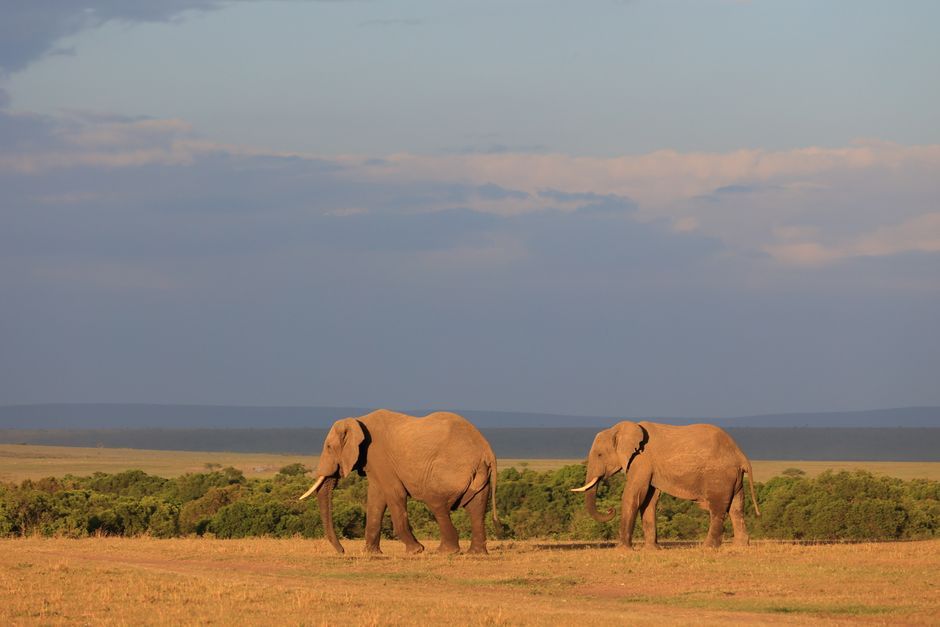
Stock photo for illustration only, not from the actual event
Officials highlighted that this marks the first time in decades that elephant mortalities on this scale have been documented in a region that has otherwise successfully cracked down on poaching. According to KWS, there is currently no evidence pointing to a single definitive cause of death.
The sudden and widespread death of elephants in a well-monitored conservation zone presents a complex puzzle for wildlife experts. Because the victims span multiple age groups and sexes and are scattered across a wide radius rather than concentrated in one herd, straightforward threats like poaching are less likely, shifting immediate concern toward environmental toxins, water contamination, or fast-acting wildlife diseases that could threaten the broader population of over 2,000 elephants in the ecosystem.
Source: BBC Science & Environment
Found something wrong in this article? Report an issue with this article
Comments
Leave a Comment