

KBTG Techtopia 2026: Supajee on Thailand's Future
Supajee Suthamphan shared visions at KBTG Techtopia 2026 on Sept 16, 2026, urging Thailand to tackle 5D pressures and transform businesses.

Stock photo for illustration only, not from the actual event
- Supajee highlights Thailand facing 5D pressures from geopolitics to AI
- Thailand ranks 29th out of 69 economies in IMD digital competitiveness
- Linking 13 state agencies cut nominee business registrations by 81%
- Goal to simultaneously build up people, businesses, and the country
Conversations about the human of tomorrow often lead straight to questions regarding AI skills or shifting professions. However, Supajee Suthamphan, Deputy Prime Minister and Minister of Commerce, views this perspective much more broadly as Thai people and businesses navigate simultaneous pressures across geopolitics, trade, environment, demographics, and technology.
Speaking at KBTG Techtopia 2026 under the theme Human of Tomorrow on September 16, 2026, Supajee noted that technology can drive industry players in divergent directions. Businesses that leverage digital tools and AI to boost efficiency and create new value will thrive, while those lagging behind risk losing competitiveness.
Supajee outlined the 5D pressures facing Thailand: Decoupling, Diversification, Decarbonization, Demographics, and Digital/AI. The first D, Decoupling, reflects a world where major powers hold increasingly divergent concepts and rules, forcing medium-sized nations like Thailand to navigate a multi-polar world with high flexibility.
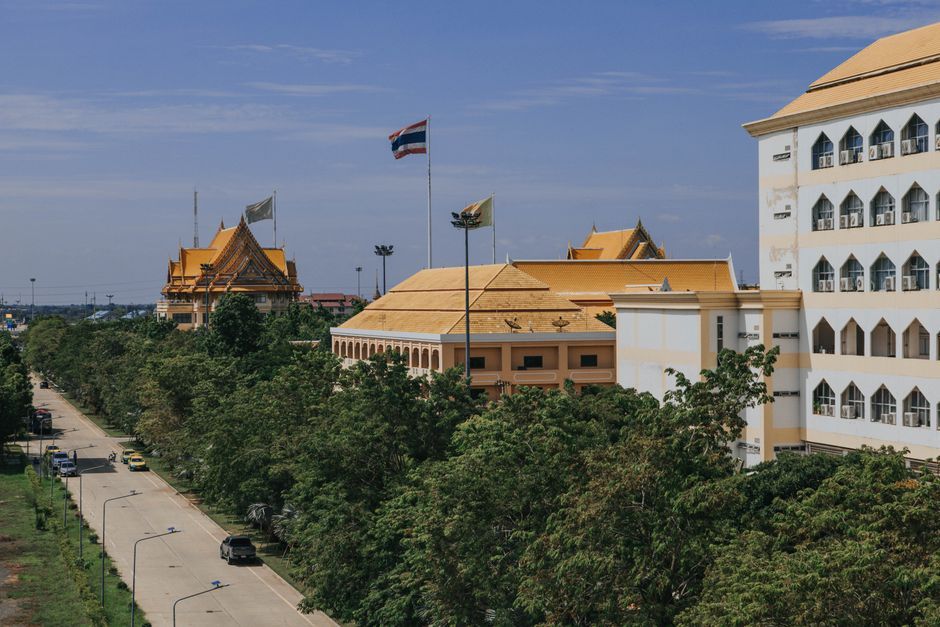
Stock photo for illustration only, not from the actual event
The next pressure is Diversification. While exports and investments support the economy, benefits remain heavily concentrated. Thailand has roughly 30,000 exporters, over 22,000 of which are SMEs. Yet, this group generates only 13-14% of total export value, which stands at around 11.1 trillion baht, while exports to the US and China account for one-third of the total.
In-depth analysis shows that the 5D framework serves as a crucial survival metric for Thailand's supply chain in the global arena. The low export value share generated by SMEs compared to their sheer number highlights persistent disparities in accessing capital and technology, making cross-agency data integration a vital step for the government.
Digital and AI act as both opportunity creators and gap wideners. IMD World Digital Competitiveness Ranking places Thailand 29th out of 69 economies in technology, 37th in knowledge, and 45th in future readiness. Nation-wide transformation requires four foundational pillars: people, infrastructure, regulations and security, and clean energy.
From the public sector perspective, the transformation follows three main axes. The first is Digital Government, linking data across 13 state agencies to screen nominee business risks, successfully reducing risky company registrations by 81% by the end of August without increasing budget. The second axis is SME development through DBD Academy, and the third is building an ecosystem connecting enterprises and small players.
"The future is not just something we wait for; it is something we must build together starting today."
Supajee Suthamphan

Stock photo for illustration only, not from the actual event
The ultimate destination rests on three pillars moving forward together: innovation-driven economic growth, fair global competition for Thai businesses, and a skilled workforce ready for the future amidst global challenges and domestic demographic shifts.
Source: Techsauce
Found something wrong in this article? Report an issue with this article
Comments
Leave a Comment