

The US is Banning Foreign Robots and Power Inverters in Major Blow to China
The Federal Communications Commission is rolling out a strict import ban on advanced foreign robots and power inverters, citing national security concerns.
Stock photo for illustration only, not from the actual event
- The US government is banning advanced foreign robots and power inverters.
- The restriction will heavily impact Chinese manufacturers like Unitree and Huawei.
- The ban includes mobile, humanoid, and robotic devices weighing over 4.4 pounds.
- Existing products remain legal to use, with security updates permitted until January 1st, 2029.
The United States government is targeting foreign-manufactured technology with a sweeping new import ban aimed at advanced robotic devices and power inverters. According to initial reports, this regulatory move is poised to create significant repercussions for Chinese robotics companies, including prominent maker Unitree.
In an official announcement made on Tuesday, the Federal Communications Commission (FCC) detailed that the ban encompasses mobile robots such as humanoids and quadruped models, though it is not restricted exclusively to walking machines. As China rapidly scales up its humanoid robot production—showcased in viral videos performing martial arts or appearing on television—Tesla in the United States has conversely discontinued its Model S and Model X vehicles to clear factory space for its own Optimus humanoid robot.
China also serves as the operational base for the world's leading power inverter manufacturers, Sungrow and the previously blacklisted Huawei, whose equipment is widely deployed in solar panel installations and renewable energy systems. The FCC justified the ban by citing unacceptable risks to the national security of the United States and the safety of its citizens.
Stock photo for illustration only, not from the actual event
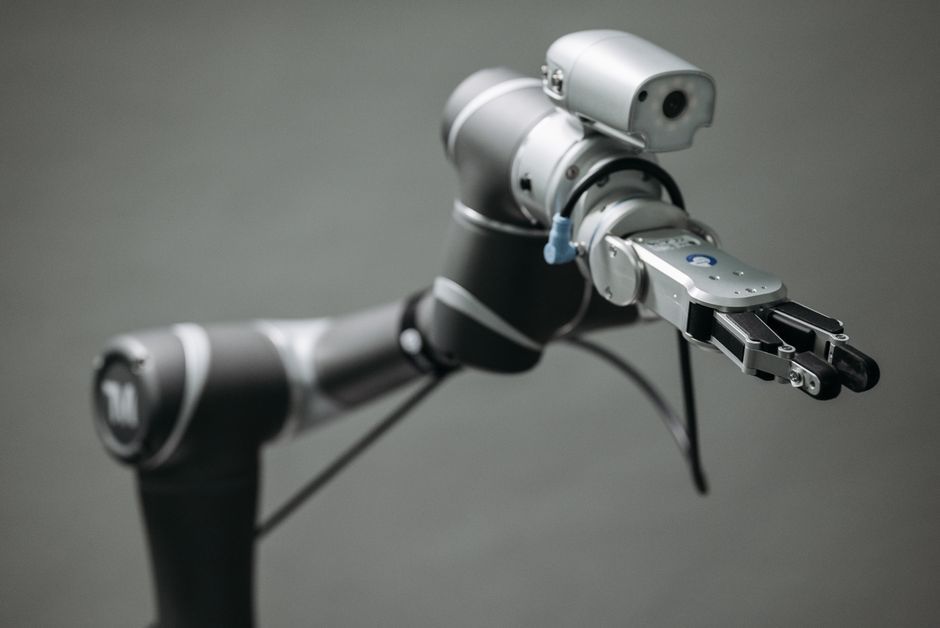
An FCC FAQ page defines an advanced robotic device as machinery capable of locomotion, obstacle avoidance, navigation, or ground movement, equipped with environmental sensors and network connectivity chips. Furthermore, the device must weigh more than 4.4 pounds, including its docking station. Under this broad definition, future robotic vacuum cleaners would face automatic bans unless granted a formal waiver.
This sweeping regulatory action highlights how governments are increasingly treating hardware robotics and smart infrastructure through the lens of national security. Because modern advanced robots rely heavily on sophisticated sensors, cameras, and constant network connectivity, regulators view foreign-made hardware as potential vectors for data collection or security vulnerabilities. By conditioning waivers on domestic manufacturing plans, the policy aims to forcefully restructure the supply chain.
Similar to previous federal restrictions on foreign routers, companies may request waivers to import new products, though the application process lacks mandates for enhanced device security. Hardware already physically present inside the United States will remain unaffected, allowing individuals and businesses to keep utilizing their current devices. Additionally, an auxiliary waiver allows all affected robots and power inverters to continue receiving compatibility and security updates through January 1st, 2029.
Source: The Verge
Found something wrong in this article? Report an issue with this article
Comments
Leave a Comment