

Xbox disc-to-digital feature took 15 years to build
Microsoft’s new Xbox disc-to-digital feature stems from a 15-year-old foundation of embedding unique identifiers into physical game discs.
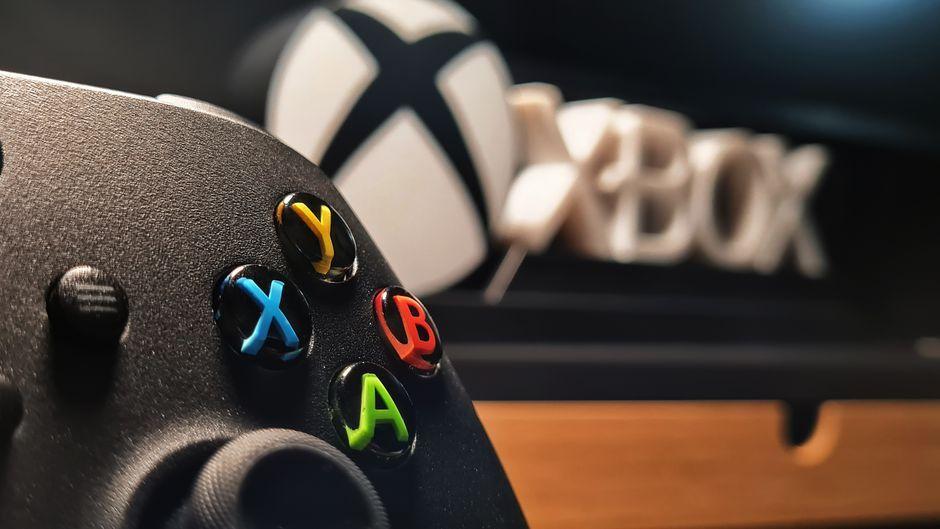
Stock photo for illustration only, not from the actual event
- The Xbox disc-to-digital feature took over 15 years of planning to materialize.
- Microsoft embedded unique serial numbers on discs prior to the 2013 Xbox One launch.
- Sony cannot easily replicate this method due to lacking disk metadata.
The recent introduction of an Xbox feature that allows players to digitize their physical game collections highlights a long-term vision cultivated by Microsoft. According to tech journalist Tom Warren, this capability is the culmination of over 15 years of groundwork aimed at preparing for an all-digital gaming era, simultaneously serving as a cornerstone for the company's ongoing game preservation initiatives.
Ahead of the Xbox One release in 2013, Microsoft made a pivotal choice to uniquely identify game discs. Sources familiar with the company's operations indicate that digital ownership concepts were already being explored back in 2011, encompassing digital gifting, recycling, and swapping physical discs at retailers for digital counterparts. While some plans leaked online, many details remained confidential for over a decade.

Stock photo for illustration only, not from the actual event
Initial hints of these concepts surfaced during the controversial rollout of the Xbox One, which initially required a permanent internet connection to support digital game sharing. Although consumer pushback forced Microsoft to abandon the always-online requirement, those foundational digital concepts have progressively materialized through alternative pathways over time.
By embedding readable serial numbers onto discs, Microsoft enabled a seamless transition where inserting an Xbox One physical disc into the console drive generates a digital copy. Meanwhile, rival manufacturer Sony faces hurdles in copying this approach, as it would require historical metadata integration that was not previously established on PlayStation discs.
Microsoft's foresight focused on identifying physical media rather than anticipating the exact disc-to-digital mechanism, ensuring readiness for an inevitable shift toward digital distribution. With Sony planning to phase out PlayStation physical media by 2028 and digital sales dominating current market trends, optical discs are gradually following the path of music and movie media.
Beyond digitizing physical media, Microsoft maintains a robust commitment to game preservation through its backward compatibility initiatives, bringing classic Xbox and Xbox 360 titles to PC, and developing Project Helix for future hardware. Despite technical hurdles and licensing complexities preventing certain early Xbox One discs from supporting the new feature due to missing unique identifiers, the long-term preservation effort continues to expand.
Source: The Verge
Found something wrong in this article? Report an issue with this article
Comments
Leave a Comment