

Repeat offender fined for searching for gold in protected river
Brian Wright, 68, ordered to pay over £4,700 in fines and costs for illegal gold panning at Afon Wen river in Dolgellau, Wales, repeating a 2022 offence.
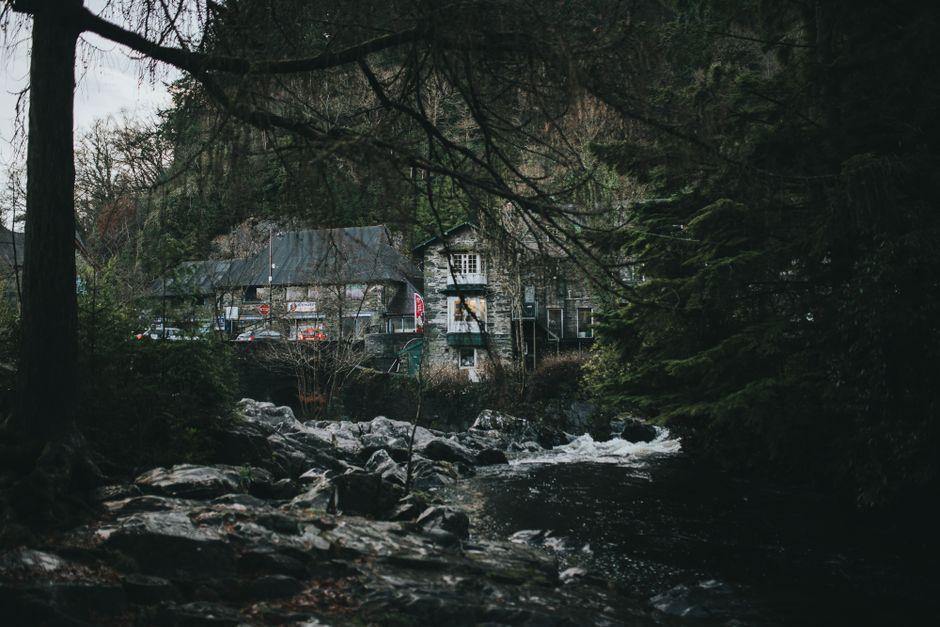
Stock photo for illustration only, not from the actual event
- Brian Wright, 68, found guilty of environmental offences for illegal gold panning
- The incidents took place at Afon Wen river near Dolgellau, Gwynedd, in Oct and Dec 2024
- Llandudno Magistrate's Court ordered him to pay total fines and costs exceeding £4,700
- Natural Resources Wales confirmed Wright was a repeat offender previously convicted in May 2022
A 68-year-old gold panner has been ordered by the court to pay financial penalties and costs totaling more than £4,700 after being caught illegally searching for gold within a protected natural river environment in Wales.
Brian Wright, hailing from Henley On Thames, Oxfordshire, was caught in the act of panning at the Afon Wen river near Dolgellau, Gwynedd, across two separate months in October and December 2024. Following the investigations, he faced environmental charges at Llandudno Magistrate's Court on Monday, where magistrates found him guilty of the offenses.
Natural Resources Wales (NRW), the environmental regulatory body, stated that Wright had actively disturbed the valued and protected ecosystem of Coed y Brenin Forest, through which the river flows. Furthermore, the agency emphasized that Wright was a repeat offender who had previously been sentenced for comparable offenses back in May 2022.
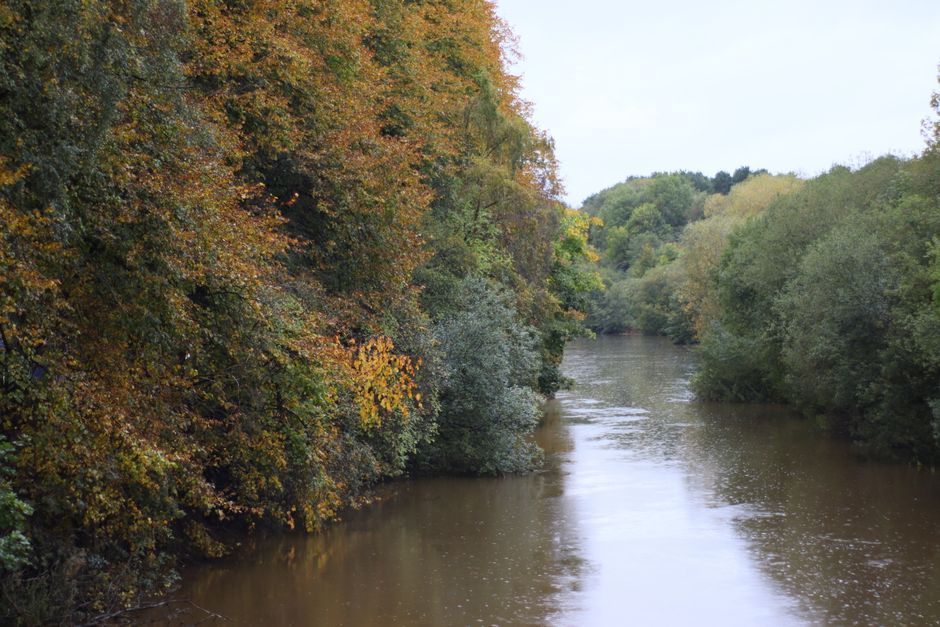
Stock photo for illustration only, not from the actual event
NRW explained that gold panning is strictly prohibited on land managed by the organization due to the severe risks it poses to river ecosystems. The excavation of river gravel and the extraction of minerals can disrupt riverbeds and destroy critical habitats relied upon by local wildlife. The environment body warned that while many perpetrators might remain unaware of the consequences, illegal panning risks disturbing spawning fish and inflicting long-term damage on river habitats, which inevitably leads to formal prosecution and sentencing.
The allure of gold has historically drawn hobbyists and prospectors to natural waterways, fueled by the romanticism associated with the precious metal. However, modern environmental regulations prioritize the preservation of fragile freshwater ecosystems. Riverbed disturbance caused by manual digging or mechanical tools can drastically alter aquatic habitats, erode riverbanks, and destroy fish spawning grounds. Environmental agencies enforce strict prohibitions in protected zones to balance ecological conservation with recreational activities, ensuring that sensitive wildlife and habitats are shielded from human disruption.
Concluding their statement, the regulatory body stressed that this case must serve as a firm reminder to the public that unauthorized gold panning is strictly forbidden on all NRW-managed land, and individuals who choose to ignore these established regulations will face legal prosecution.
Source: BBC Science & Environment
Found something wrong in this article? Report an issue with this article
Comments
Leave a Comment