

New wild cat species discovered in Bolivia
Scientists confirm a new wild cat species named the Tilcaya cat in Bolivia through DNA studies, with only one known living member.
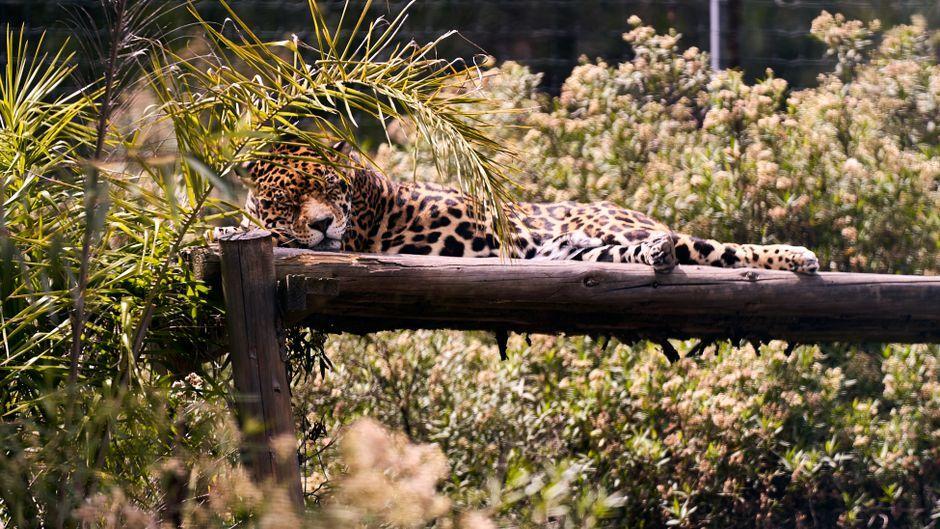
Stock photo for illustration only, not from the actual event
- Scientists confirm a new wild cat species discovered in Bolivia
- Only one known living member of the species currently exists
- DNA studies suggest tiger cat groups may include five species
An international team of researchers has confirmed the discovery of a new small wild cat species inhabiting the forests of Bolivia. Classified among the group of small spotted wild cats known as tiger cats, the feline is roughly the size of a domestic house cat. Its distinct identity remained hidden because it was frequently confused with other wild cats sharing remarkably similar spots and stripes.
The path to this discovery began with a 10-year-old male cat nicknamed 'Tigrino', which currently lives in a wildlife rescue sanctuary in Bolivia. The cat was originally found in the forest by a local resident who mistook it for a domestic kitten, though its un-cat-like behavior became apparent as it matured. Dr. Nogales-Ascarrunz, a Bolivian scientist volunteering at the sanctuary, noticed the unusual appearance and teamed up with global researchers to investigate the family history using DNA from living animals and museum specimens.

Stock photo for illustration only, not from the actual event
The study, published in Current Biology, officially introduced the Tilcaya cat (*Leopardus tilcayo*) of Bolivia as a new description. Furthermore, the findings suggest that the tiger cat group comprises five distinct species rather than the previously accepted three, highlighting the hidden biological diversity within South America.
This DNA-backed discovery underscores how much biodiversity remains undocumented in under-studied regions such as Bolivia's Yungas forest. Differentiating small spotted cats has long troubled zoologists due to their overlapping physical traits and sparse museum samples, making genetic verification essential for modern conservation strategies.
Dr. Caroline Sartor of the Wildlife Conservation Research Unit at the University of Oxford emphasized that identifying species is the foundational step for wildlife preservation. Meanwhile, Andrew Kitchener, a mammal expert at National Museums Scotland, noted that these South American felines have historically presented a taxonomic challenge due to their striking visual similarities.
"These are animals similar in size to a domestic cat, so you might think we would know them all by now, but this discovery shows how much biodiversity is still to be uncovered in some of the less-studied regions of the world."
Dr. Caroline Sartor
The addition of the new species, alongside the expanded classification of tiger cats, could increase the official count of recognized cat species in the family Felidae from 41 to 44 or more. Despite this exciting taxonomic expansion, tiger cat species remain vulnerable to extinction driven by deforestation, habitat destruction, and illegal hunting.
Source: BBC Science & Environment
Found something wrong in this article? Report an issue with this article
Comments
Leave a Comment