

Scaleout Adapts Small AI for Autonomous Military Drones
NATO-backed startup Scaleout deploys decentralized AI-driven learning to military bases and drones for reconnaissance and attack missions.
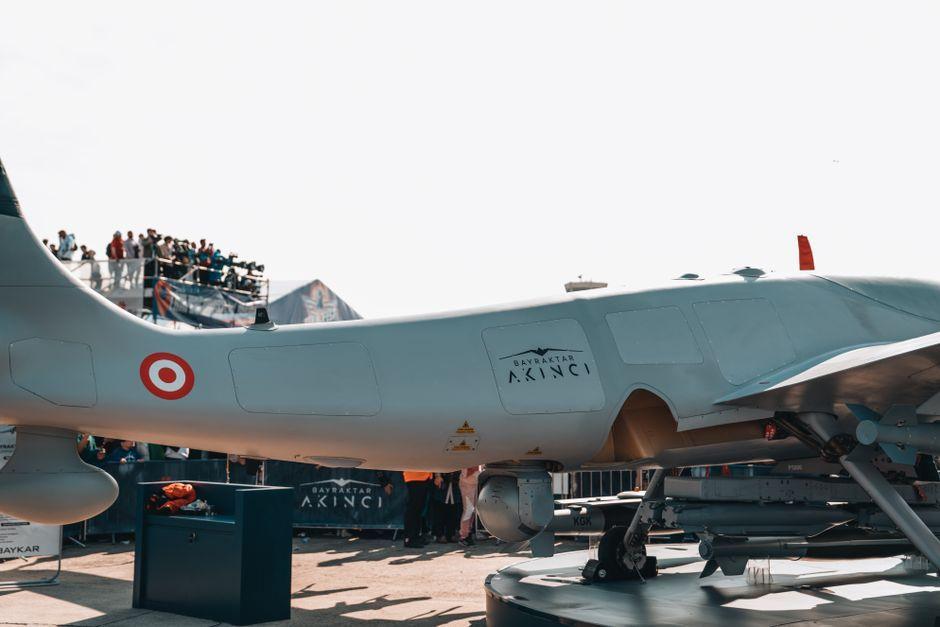
Stock photo for illustration only, not from the actual event
- Scaleout integrates compact AI models into military drones and bases
- The technology enables autonomous reconnaissance and strike operations
- The startup receives official backing from NATO alliance members
- Decentralized learning enhances processing efficiency directly in the field
As artificial intelligence continues to reshape global industries, the defense sector is increasingly adopting autonomous systems for tactical operations. Scaleout, a technology startup backed by NATO, has made a notable breakthrough by adapting small AI models to operate directly on unmanned aerial vehicles and military bases.
This new technological integration focuses on upgrading the capabilities of military drones, allowing them to autonomously execute intelligence, surveillance, reconnaissance, and strike missions. By reducing reliance on continuous central command communication, the systems mitigate the risks associated with signal jamming and battlefield disruptions.
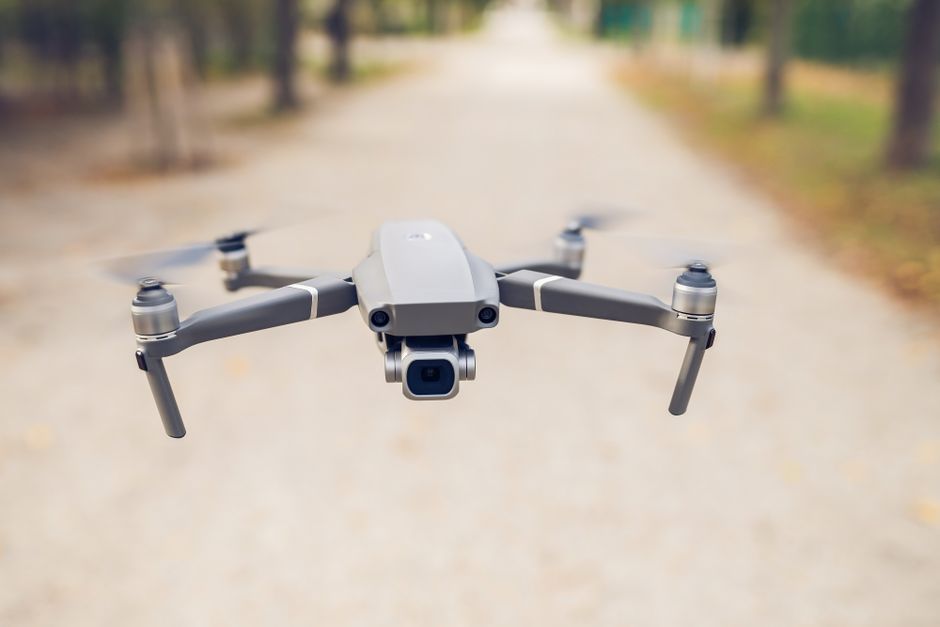
Stock photo for illustration only, not from the actual event
At the core of Scaleout's deployment is the implementation of decentralized AI-driven learning across military installations and individual drones. This architecture empowers units to process sensor data and identify battlefield targets locally and instantaneously.
Utilizing small AI models represents a vital shift in overcoming the power and hardware constraints typical of edge computing in military hardware. While massive foundational models demand heavy server infrastructure, compact algorithms allow lightweight drones to process high-resolution visual data and execute tactical decisions within milliseconds without overloading onboard power supplies.
This initiative highlights a broader industry trend toward embedding advanced machine learning into defense hardware, aiming to drastically accelerate response times against evolving threats in active operational theaters.
Source: Ars Technica
Found something wrong in this article? Report an issue with this article
Comments
Leave a Comment