

MPs urge UK government to reject Thames Water takeover deal
A cross-party committee advises the UK government to reject a 10 billion pound takeover bid from Thames Water creditors and consider special administration.
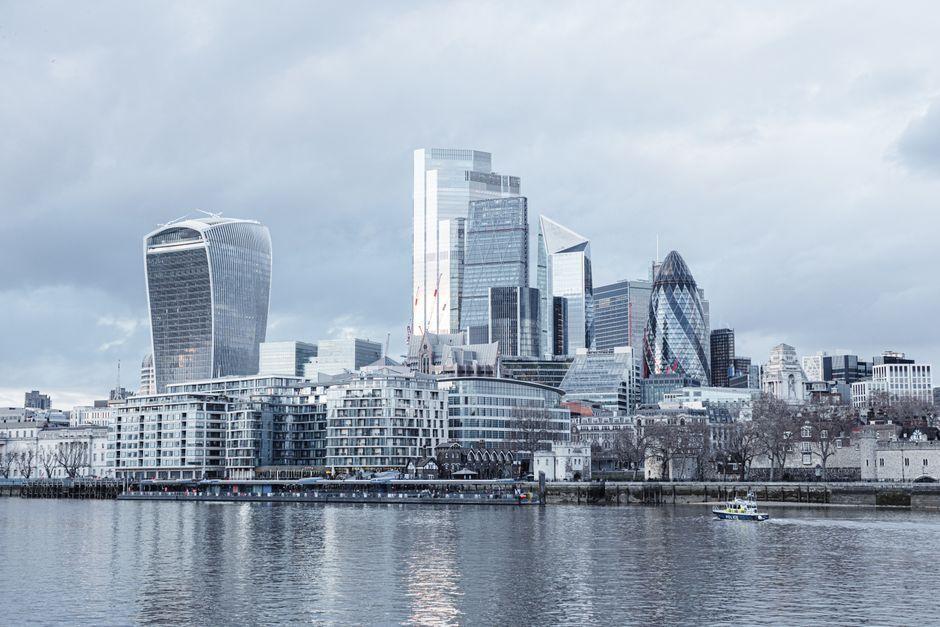
Stock photo for illustration only, not from the actual event
- The EFRA committee opposes a 10 billion pound takeover proposal from creditors.
- MPs advise placing Thames Water into a special administration regime.
- The UK's largest water supplier currently carries about 20 billion pounds in debt.
A cross-party committee of members of parliament has formally advised the UK government to reject a 10 billion pound takeover proposal submitted by Thames Water's creditors. The Environment, Food and Rural Affairs (EFRA) Committee stated that the consortium's plan fails to protect public interest and the environment, warning that the company could accrue over 900 million pounds in penalties across the next five years.
Thames Water, serving approximately 16 million customers across London and the Thames Valley, has been grappling with immense financial strain with roughly 20 billion pounds in debt. The creditor consortium, which collectively holds around 17 billion pounds of the company's liabilities, put forward the acquisition plan as a final effort to prevent a state-backed special administration after an earlier deal with a US private equity firm fell through.
Stock photo for illustration only, not from the actual event
In its report, the committee recommended that the legal framework should be amended to permit the government to trigger a special administration based solely on performance grounds. This temporary nationalization approach would allow the state to stabilize operations before eventually selling the utility off once finances recover.
"We believe Thames Water can be turned around, but not by giving the keys back to the people who have been joy riding in the family car."
Alistair Carmichael, EFRA Committee Chairman
The ongoing saga of Thames Water highlights the systemic challenges of privatized utility infrastructure in the UK. When utility giants accumulate unsustainable debt, the burden often shifts toward regulatory intervention and potential state rescue to prevent disruptions in essential services. Utilizing special administration serves as a legal safety net designed to protect vital public resources during corporate insolvency.
In response, a Thames Water spokesperson emphasized that turning the utility around requires a decade of sustained investment and warned that any delay in recapitalization would hinder operational progress, disrupt infrastructure improvements, and ultimately raise costs for customers and environmental initiatives.
Source: BBC Business
Found something wrong in this article? Report an issue with this article
Comments
Leave a Comment