

Daniel Teasdale: The Rise and Fall of the Next Naseem
The story of British boxer Daniel Teasdale, once hailed as the heir to Prince Naseem Hamed before his career faced unexpected struggles.
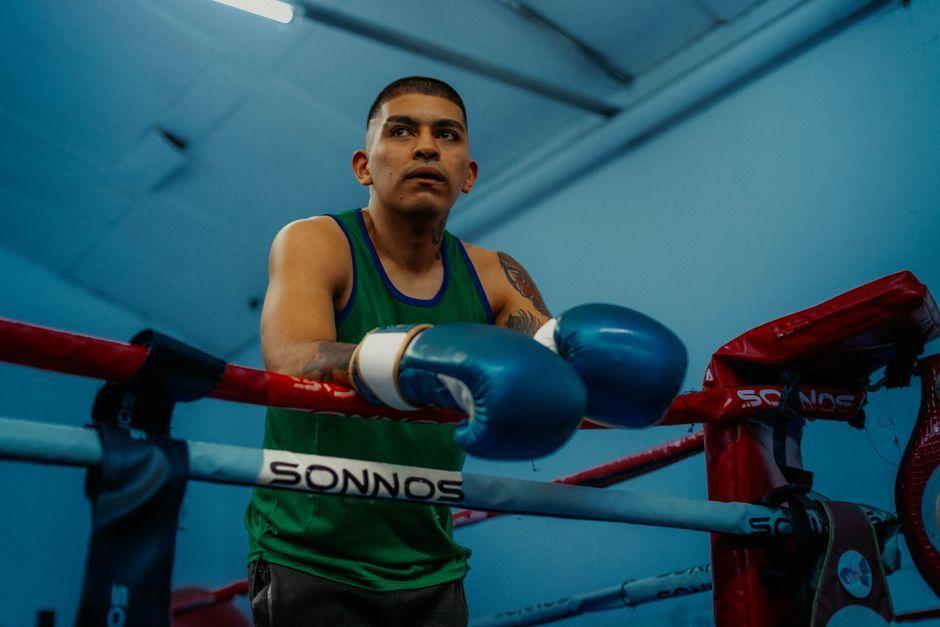
Stock photo for illustration only, not from the actual event
- Daniel Teasdale was once hailed as the successor to Prince Naseem Hamed
- The young prospect trained in ballet and gymnastics to improve footwork
- Faced instability, frequent trainer changes, and outside exploitation
- Retired in 2005, made a brief comeback in 2010, and holds no regrets
In the world of boxing, young Daniel Teasdale was once tipped for superstardom, drawing intense media attention as the next big prospect to emerge from Brendan Ingle's legendary Sheffield gym. Photographers and filmmakers closely followed his early journey as he built a reputation as a formidable national title winner.
Displaying exceptional talent from a young age, Teasdale even studied ballet and gymnastics to enhance his ring movement. Former stablemate Amer Khan recalled that his skills were on par with Oscar de la Hoya, noting how he dominated and stopped opponents during his junior years, attracting widespread media coverage before his professional debut.
"He was like Oscar de la Hoya, Teasdale was exceptional as a junior, he was stopping everyone."
Amer Khan
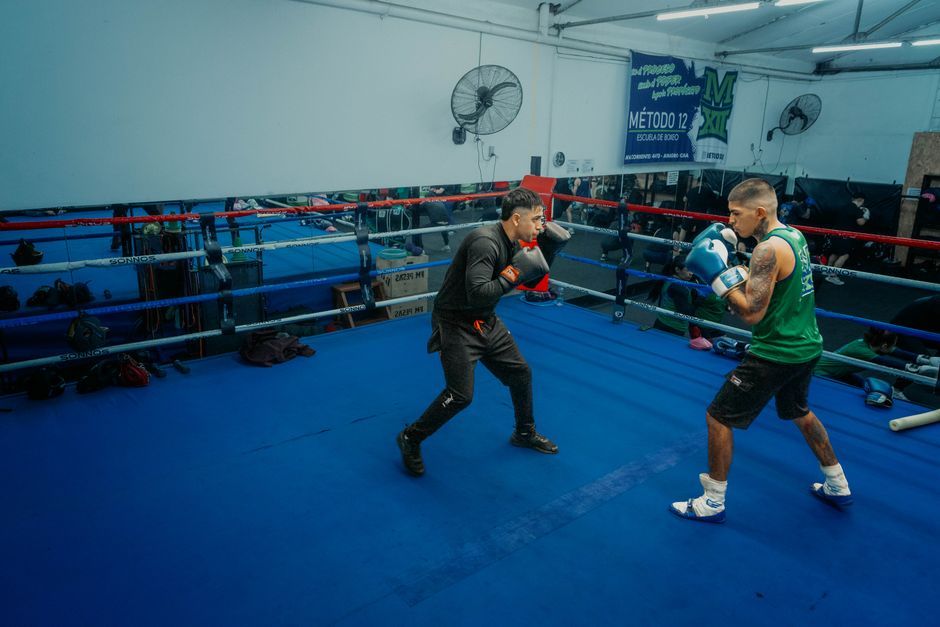
Stock photo for illustration only, not from the actual event
A major turning point arrived following the bitter 1998 split between Prince Naseem Hamed and trainer Brendan Ingle. Teasdale chose to follow Naz, linking up with three-time world title challenger Herol 'Bomber' Graham under a new financial setup backed by an external businessman.
However, the young fighter's career began to derail amidst outside interference. Photographer Simon Roberts, who documented Teasdale for five years, noted that the boxer was frequently exploited by individuals looking to advance their own standing. Filmmaker Stuart Mitchell similarly observed that Teasdale's primary struggle was being constantly courted and distracted.
The professional sports industry frequently exposes promising young athletes to intense external pressures, financial interests, and lack of protective guidance. When combined with managerial instability and frequent changes in training camps, such environments often derail careers that initially showed immense athletic potential.
Teasdale's professional journey faced early misfortunes, including a debut marred by crowd rioting and receiving death threats prior to a subsequent bout. Despite undeniable athletic gifts, these early omblems foreshadowed the difficulties that ultimately hindered his rise to a world championship title.
He walked away from boxing in 2005 following his first professional defeat in a light-heavyweight contest. Although he returned briefly in 2010 to reunite with Ingle and win a single comeback fight, Teasdale reflects on his career with acceptance, noting that he holds no regrets about how his journey unfolded.
Source: BBC Sport
Found something wrong in this article? Report an issue with this article
Comments
Leave a Comment