

Smart beds and motion sensors: The future of dementia care?
A 70-year-old couple in west London joins an NHS trial using smart sensors and mattresses to monitor dementia care safely at home.

Stock photo for illustration only, not from the actual event
- Sensors installed across the Patel family home track daily habits and movements.
- Over 250 families are participating in this NHS-backed trial project.
- Smart devices monitor heart rates, breathing, and potential nighttime exits.
- Annual monitoring costs are estimated at approximately 2,000 pounds per person.
Sensors are fitted in every room of Jyoti and Bharat Patel's home in west London, constantly monitoring their daily movements and habits. Far from causing anxiety, this setup brings peace of mind to the couple as they manage the challenges of Alzheimer's disease, which Jyoti was diagnosed with in 2021.
Now in their 70s, the couple previously worked as professional magicians touring worldwide, performing for notable figures including King Charles and Princess Anne. After Bharat noticed uncharacteristic mistakes on stage in 2019, they sought specialist care. Today, they are among more than 250 families participating in a trial led by the UK Dementia Research Institute (UK DRI) and Imperial College London, funded by the medical research charity LifeArc.
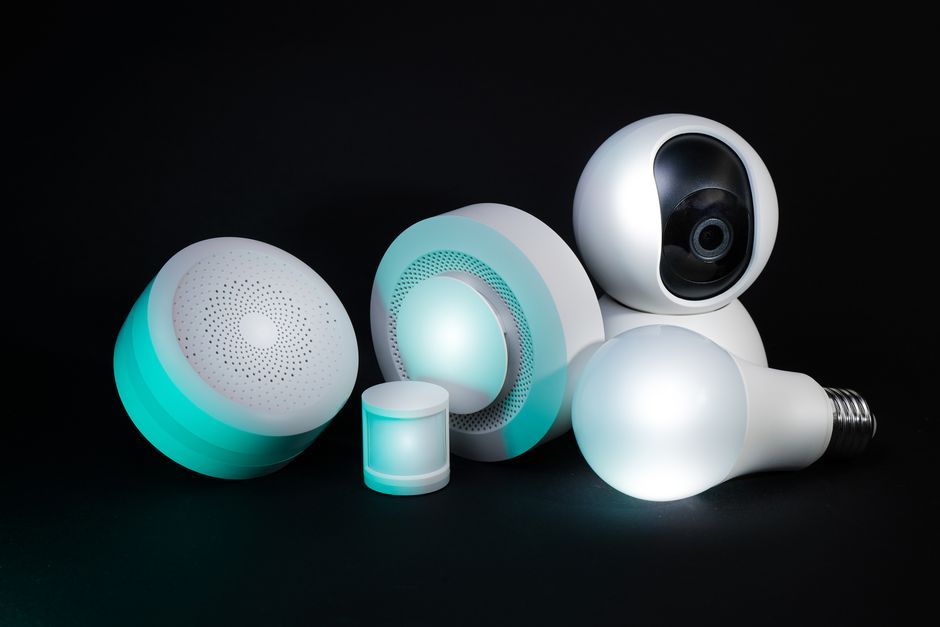
Stock photo for illustration only, not from the actual event
The internet-connected sensors transmit daily routine data back to a dedicated team of clinicians and nurses. Door sensors track nighttime exits, movement sensors monitor for potential falls, and kitchen appliance sensors ensure Jyoti is eating properly. Additionally, she is testing smart socks and a special watch equipped with sensors to monitor body temperature and long-term changes in gait indicating frailty.
This initiative highlights the growing role of Ambient Assisted Living (AAL) technologies in modern healthcare. By enabling elderly patients or those with chronic conditions to remain safely in their own homes, such trials point toward a sustainable model of Aging in Place. Privacy-conscious designs—avoiding audio and video recording—are vital in winning user trust while allowing healthcare providers to catch early clinical indicators before emergencies develop.
The monitoring program is expected to cost about 2,000 pounds a year per household, primarily to cover data analysis by clinical staff. Sarah Daniels, health and social care lead at the UK DRI, notes that this expense amounts to no more than a couple of weeks in a care home, making early detection a cost-effective strategy for the healthcare system.
"Earlier signals means earlier intervention, which means we can head potential complications of an infection, potential challenges around care, we can head that off before it becomes a crisis."
Sarah Daniels
With nearly a million people living with dementia in the UK—a figure projected to surge by 40% by 2040—proponents hope the technology can eventually be scaled across the broader National Health Service to help patients maintain independence safely.
Source: BBC Health
Found something wrong in this article? Report an issue with this article
Comments
Leave a Comment