

Ferrari Purosangue 2026 Review: The Four-Seater Focus
Ars Technica reviews the Ferrari Purosangue 2026, highlighting its cabin layout designed to prioritize human comfort over cargo space.
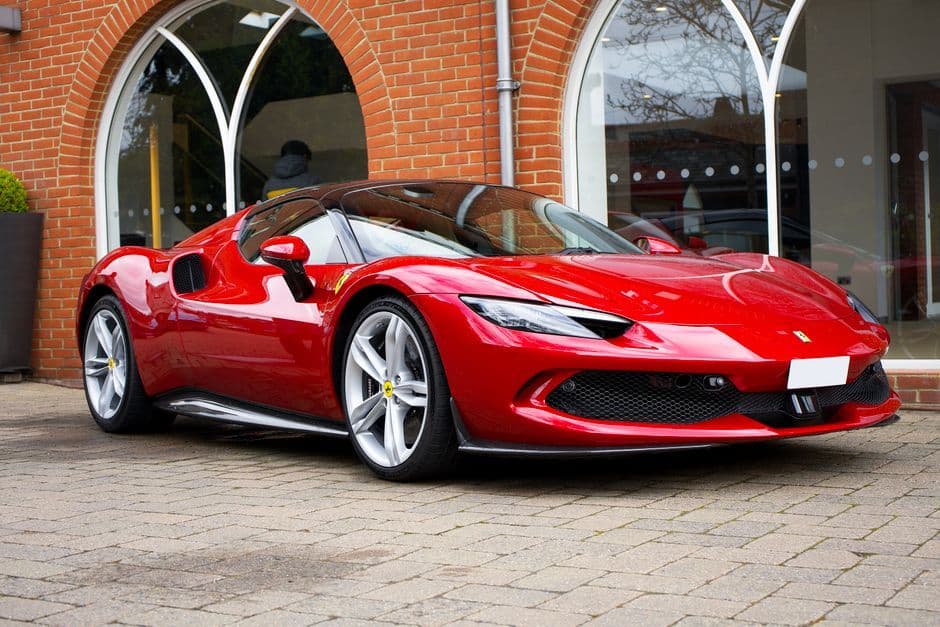
Stock photo for illustration only, not from the actual event
- Ferrari Purosangue 2026 is the latest four-seater sports car.
- Cabin layout is optimized for human passengers rather than cargo.
- Marks a significant departure from previous Ferrari four-seater models.
When legendary sports car manufacturer Ferrari expands its vehicle lineup, automotive enthusiasts worldwide pay close attention, particularly when the brand shifts its design philosophy toward greater everyday usability. Recently, Ars Technica published a detailed review of the Ferrari Purosangue, capturing attention across the automotive industry for its fresh approach compared to its predecessors.
In the past, Ferrari's four-seater vehicles traditionally placed heavy emphasis on rear occupant space or cargo capacity to accommodate long-distance touring. However, with the Ferrari Purosangue 2026, engineers have completely shifted this design paradigm, prioritizing human passenger comfort above all else rather than focusing primarily on luggage storage like older models did.
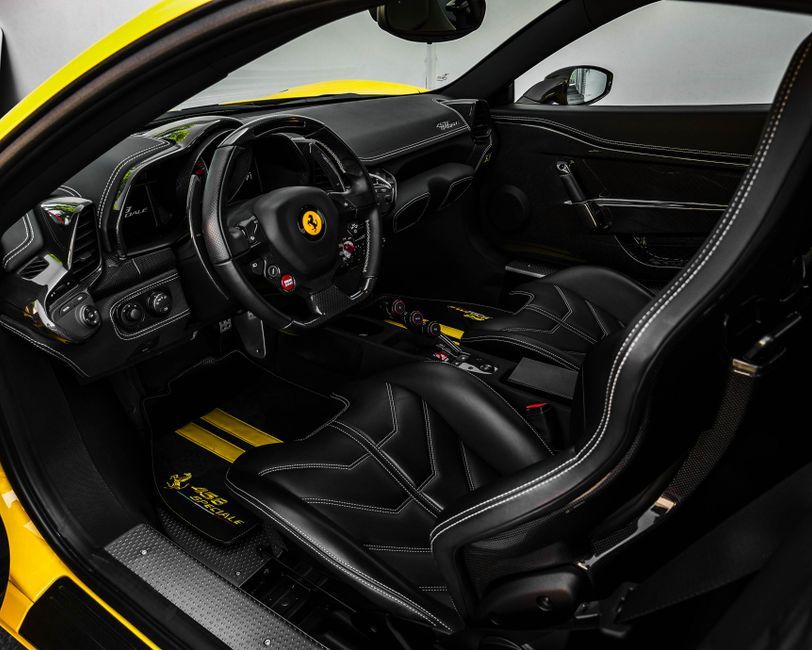
Stock photo for illustration only, not from the actual event
This design shift by Ferrari to prioritize passenger comfort in the Purosangue highlights a strategic effort to target buyers seeking high-performance vehicles that can seamlessly accommodate family or friends in daily driving scenarios, avoiding the cramped rear quarters often associated with exotic cars.
Even with enhanced cabin usability, the vehicle's core performance and spirited driving dynamics remain fully intact through advanced engineering. Readers interested in comprehensive driving impressions and test results can explore the full review via the original source.
Source: Ars Technica
Found something wrong in this article? Report an issue with this article
Comments
Leave a Comment