

Emergency Food Storage: Essential Supplies to Keep at Home
A guide on which emergency foods to stock up on in your kitchen cupboards to prepare for unexpected crises, based on a BBC report.
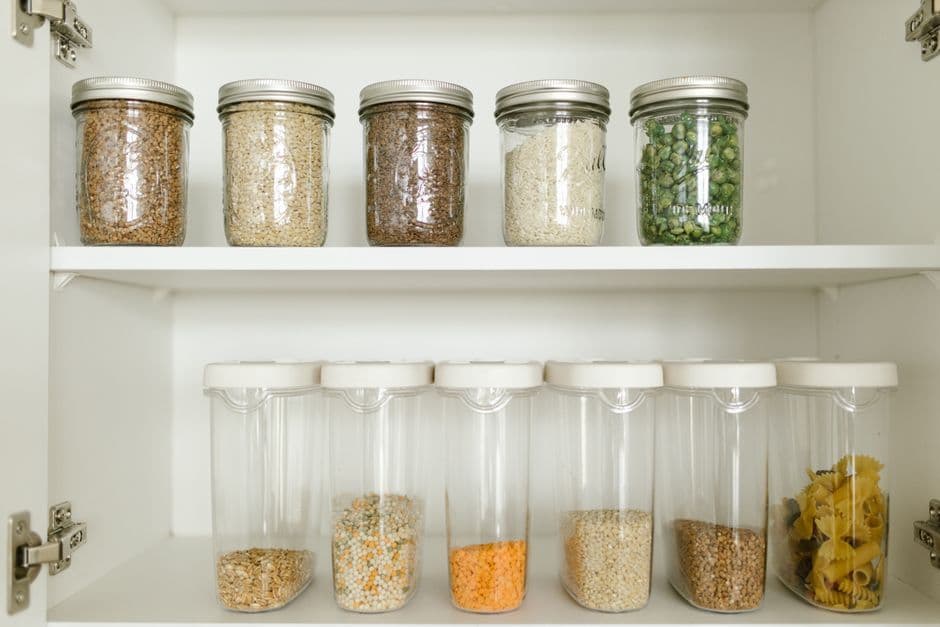
Stock photo for illustration only, not from the actual event
- Expert guidance on choosing and storing emergency food supplies
- Essential preparation for unexpected disasters or crises
- Focus on long-lasting and high-energy food items
Preparing for unexpected emergencies is an essential precaution for every household, particularly when it comes to stocking up on non-perishable food items and supplies. A special report by the BBC highlights the importance of keeping emergency food reserves in your kitchen cupboards to ensure survival during unforeseen disruptions.
Choosing the right foods for an emergency involves more than just random stockpiling; it requires careful consideration of shelf life, nutritional value, and ease of preparation if utility services fail. Ideal supplies include items that do not require refrigeration, boast long expiration dates, and provide adequate daily energy.
Emergency food storage is a core pillar of disaster preparedness recommended by safety agencies worldwide. It is typically advised to maintain enough supplies for at least 3 to 7 days, which minimizes panic and reduces the need to venture outdoors during a crisis. Selection should focus on canned goods, grains, and dry foods offering balanced nutrition.
Beyond selecting the right food types, proper inventory management and regular expiration date checks are vital to ensuring your reserves remain ready for immediate use when a crisis strikes.
Source: BBC Science & Environment
Found something wrong in this article? Report an issue with this article
Comments
Leave a Comment