

Multi-agent AI systems are taking over supply chain execution
Multi-agent AI systems revolutionize supply chain operations, featuring Lenovo's deployment across 180 markets and Fujitsu-Rohto real-world trials.
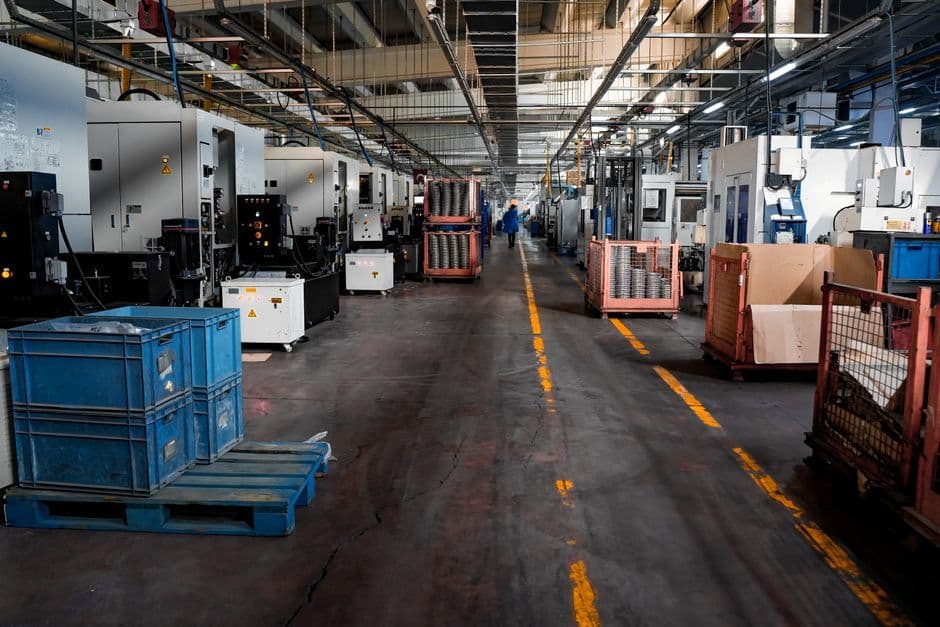
Stock photo for illustration only, not from the actual event
- Multi-agent AI systems replace traditional approval stages in supply chain execution.
- Lenovo deployed order and risk agents across 180 markets and 30 factories.
- An automotive parts manufacturer boosted on-time delivery from 82% to 94%.
- Fujitsu and Rohto Pharmaceutical achieved up to 30% transport cost reductions in trials.
Enterprise networks worldwide are facing diminishing returns from static dashboards, pushing logistics directors toward autonomous execution. Multi-agent AI systems are stepping in to replace traditional approval stages across targeted operational boundaries. Instead of waiting for weekly scheduling runs, independent software models ingest real-time telemetry from carrier ETAs, yard cameras, and warehouse management system events to execute freight re-routing, safety stock rebalancing, and dock allocations directly inside enterprise resource software.
Lenovo reported this operational transition on its global iChain infrastructure across 180 markets, more than 30 factories, and 100 logistics centres. The hardware manufacturer linked an Order Fulfilment Agent and a Risk Management Agent directly to existing transaction platforms.
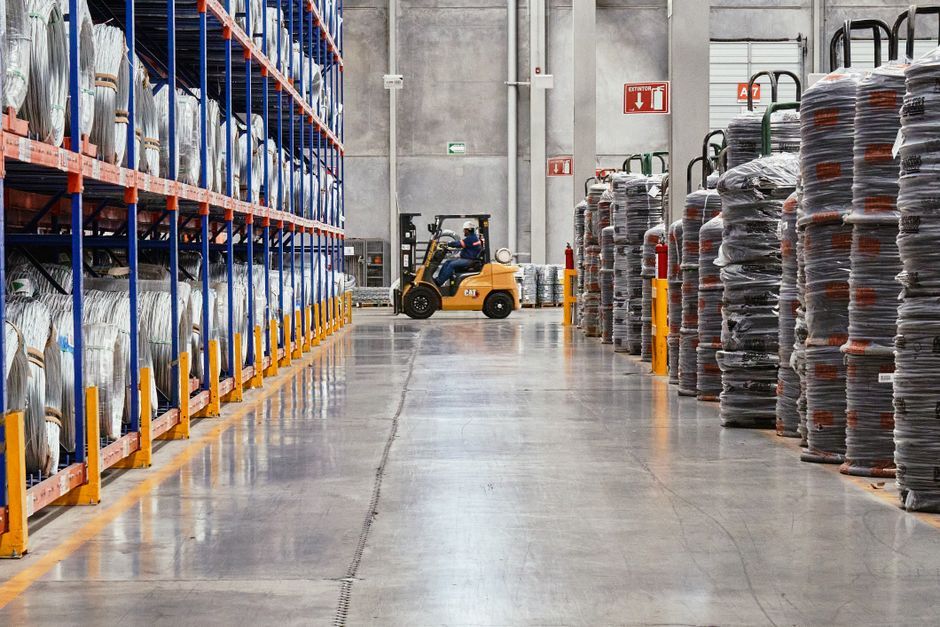
Stock photo for illustration only, not from the actual event
According to documentation by Simor Consulting, a mid-size automotive parts manufacturer deployed five specialised agents across 15 countries and 200 suppliers over an 18-month production run, recording an on-time delivery rise from 82 percent to 94 percent.
"Its disruption agent detected supply threats 48 hours ahead of manual monitoring teams."
Automotive Parts Manufacturer
The deployment of multi-agent AI in supply chains highlights a crucial shift from predictive analytics software to fully autonomous execution, removing human bottlenecks in routine operational approvals. However, establishing strict capital boundaries and operational tripwires remains essential to prevent software agents from compounding errors across integrated purchasing and shipping systems.
Inter-enterprise logistics routing trials show comparable results. An initial virtual-network exercise conducted by Fujitsu and Rohto Pharmaceutical yielded transport cost reductions of up to 30 percent, prompting both companies to schedule an expanded trial on Rohto's live physical chain between January 2026 and March 2027.
Automated warehouse execution, meanwhile, remains largely confined to simulation models rather than unassisted floor operations. Research by the Massachusetts Institute of Technology (MIT) and Symbotic demonstrated a 25 percent throughput increase using multi-robot path coordination inside simulated e-commerce distribution facilities, while NVIDIA released its Multi-Agent Intelligent Warehouse reference architecture to demonstrate cross-fleet planning methods.
Source: AI News
Found something wrong in this article? Report an issue with this article
Comments
Leave a Comment