

New Oil Crisis: Anutin Govt Faces 80B Baht Fund Deficit
Thailand's Oil Fund deficit hits 80 billion baht, subsidizing 770 million baht daily, threatening to reach 100 billion baht by October amid global energy risks.
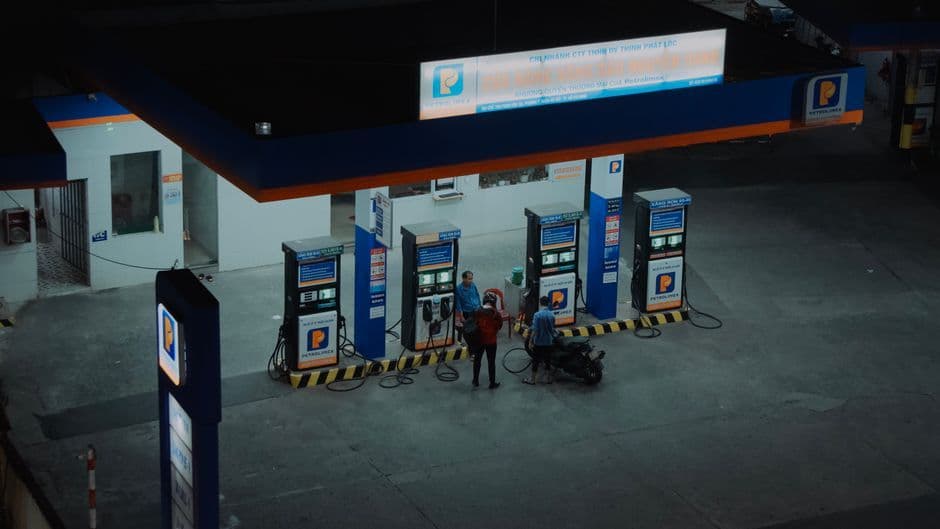
Stock photo for illustration only, not from the actual event
- Thailand's Oil Fund deficit has reached approximately 80 billion baht and may hit 100 billion baht in October.
- The government subsidizes fuel and LPG at about 770 million baht daily, exceeding 23 billion baht monthly.
- Middle East tensions and Strait of Hormuz risks continue to exert heavy pressure on global energy prices.
- Proposed solutions involve short-term, medium-term, and long-term measures for sustainable energy management.
Energy prices are turning into a massive challenge that the Anutin government must urgently address, as the issue extends far beyond higher fuel expenses, triggering a domino effect on transportation, consumer goods prices, manufacturing costs, and purchasing power nationwide.
The situation grows increasingly alarming as the Oil Fund's financial status has plunged into a deficit of roughly 80 billion baht due to compensation payouts for oil and LPG soaring to about 770 million baht per day, or over 23 billion baht per month. If current conditions persist, the deficit is projected to touch the 100 billion baht mark by October.
Stock photo for illustration only, not from the actual event
Beyond domestic factors, global energy prices remain heavily pressured by escalating tensions in the Middle East, particularly risks surrounding the Strait of Hormuz. Because Thailand heavily relies on imported energy, it cannot escape these repercussions. The core dilemma lies in how the government can provide support without crashing the Oil Fund itself.
"Immediate measures must genuinely help those hardest hit, including low-income earners, farmers, transport operators, and the manufacturing sector."
Khaosod Politics Editorial
For immediate measures, the administration must target groups suffering the most severe impacts, such as low-income earners, farmers, transport operators, and manufacturers, while strictly preventing merchants from opportunistically hiking goods prices beyond actual cost increases. Short-term stimulus initiatives like the Thai Help Thai Plus project and state welfare card top-ups may temporarily prop up consumer purchasing power, but they should not serve as the sole answer.
Facing an energy crisis while the domestic economy has yet to fully recover highlights the inherent vulnerability of Thailand's economic structure, which remains tightly bound to global energy markets. Managing the Oil Fund during such crises requires a delicate balance between public relief and fiscal discipline to prevent long-term public debt burdens from harming overall economic stability.
In the medium term, the government must manage the Oil Fund with strict discipline. Gradually reducing subsidies may become unavoidable if global market prices continue to climb, but this must be done progressively alongside relief measures to prevent price spikes that citizens cannot absorb. Meanwhile, power generation risks from expensive LNG must be mitigated through long-term contracts and an increased share of clean energy.
Ultimately, long-term strategies must answer how Thailand can reduce its reliance on imported energy, as every geopolitical conflict or war forces the country to absorb full economic shocks. The most sustainable solution does not rest solely on price subsidies, but on genuine energy conservation and rigorous planning.
Source: Khaosod Politics
Found something wrong in this article? Report an issue with this article
Comments
Leave a Comment