

OpenAI forms math advisory group as its AI resolves more than 100 open problems
OpenAI establishes an independent math advisory group at the Institute for Advanced Study after its internal model solves over 100 open problems.

Stock photo for illustration only, not from the actual event
- OpenAI formed the Advisory Group on Mathematics and Artificial Intelligence at the Institute for Advanced Study.
- The company's internal model has solved over 100 open math problems across most mathematical fields.
- Nine prominent mathematicians join the unpaid advisory group, retaining independence from OpenAI.
- The move follows an open letter from 25 Fields Medalists criticizing the rapid pace of AI math results.
On Monday, OpenAI announced a new independent advisory group hosted at the Institute for Advanced Study in Princeton, New Jersey. Named the Advisory Group on Mathematics and Artificial Intelligence, the initiative is designed to give mathematicians greater input into the company's math-focused research.
According to the company's announcement, the group will act as a bridge to the mathematical community and the general public, ensuring mathematicians have a voice in shaping future developments. This announcement follows the abrupt publication of a solution to the Navier-Stokes Millennium Prize problem, alongside claims that the same internal model has resolved more than 100 additional open problems across most areas of mathematics.
The frenzied pace of these breakthroughs has drawn criticism from many prominent mathematicians. Earlier this month, 25 Fields Medal-winning mathematicians signed an open letter arguing that AI laboratories are threatening intellectual research as they race to claim solutions to famous mathematical problems.
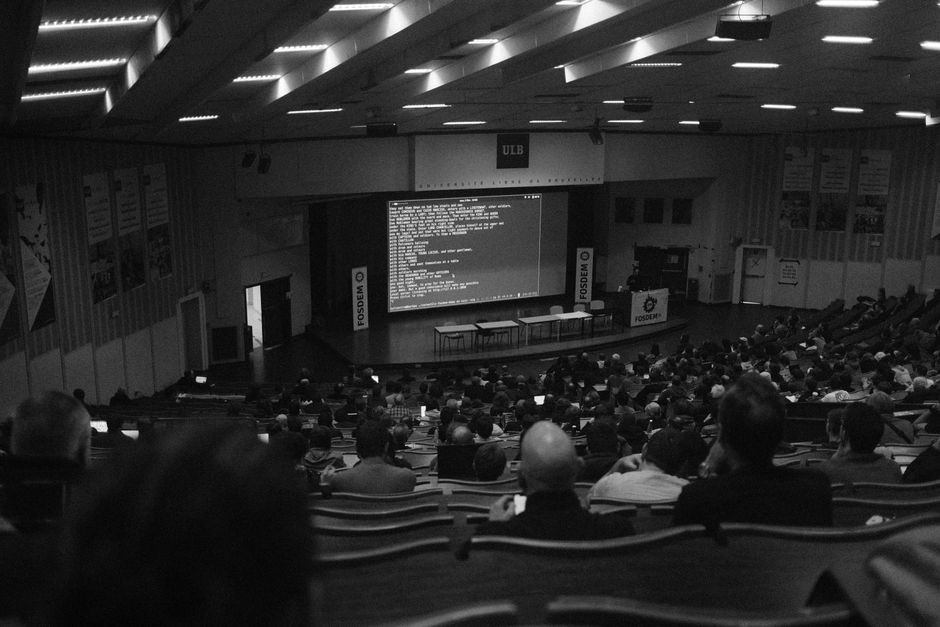
Stock photo for illustration only, not from the actual event
True to its name, the newly formed group will operate in an advisory capacity, evaluating the significance of new findings and coordinating releases. Members will serve without pay but retain the freedom to offer unsolicited commentary, publicize their positions, and govern their own membership, ensuring structural independence from OpenAI.
“Although we will give advice, we do not have decision making power at any AI company, and the responsibility for the decisions made by any company will rest with that company.”
Institute for Advanced Study
Partnering with a prestigious research institution like the Institute for Advanced Study highlights OpenAI's strategy to bridge the gap with traditional academia. As artificial intelligence begins tackling complex mathematical proofs at an unprecedented scale, establishing independent oversight helps address growing ethical and methodological concerns from the global scientific community.
Nine notable mathematicians have been named as initial members of the advisory board. Interestingly, only one member—Camillo De Lellis of the IAS—was among the signatories of the earlier Fields Medalists' letter.
Source: TechCrunch
Found something wrong in this article? Report an issue with this article
Comments
Leave a Comment