

Simple teen skincare routine that works: Expert tips
Discover the three-step dermatologist-backed skincare routine for teens, alongside insights showing over 80% experience acne.
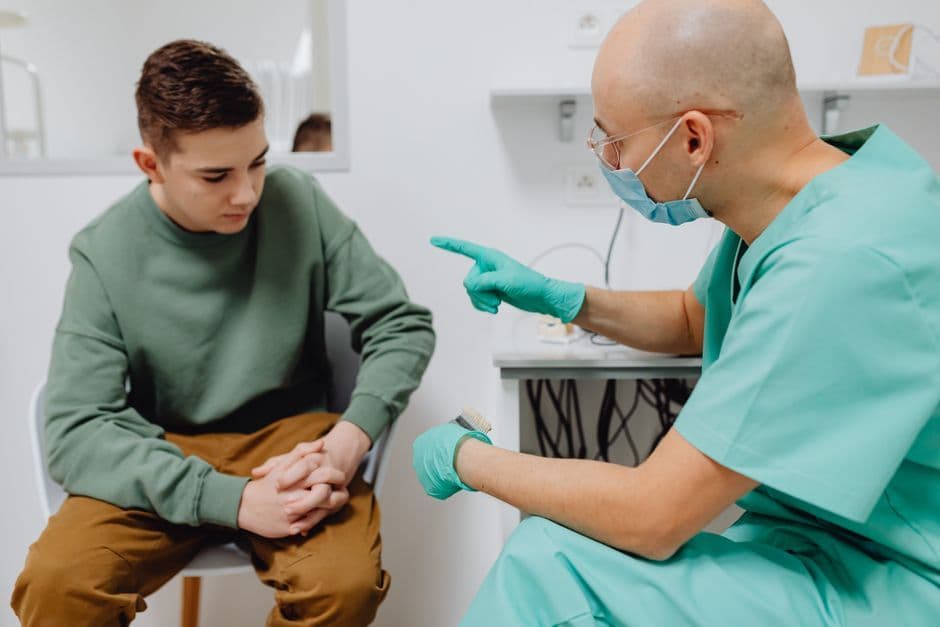
Stock photo for illustration only, not from the actual event
- More than 80% of teens aged 13-18 experience acne
- A basic skincare routine only requires three items
- Salicylic acid effectively helps clear clogged pores
- Seek professional medical help for severe or cystic acne
Navigating skin changes during adolescence can feel overwhelming, especially with social media constantly pushing unrealistic beauty standards. Consultant dermatologist Dr Jonathan Kentley has highlighted concerns over how these relentless digital images push teens toward unnecessarily complex skincare regimens that often do more harm than good.
The root cause behind puberty skin hurdles stems from testosterone, which drives oil production and triggers acne breakouts. While teenage boys frequently encounter these symptoms more intensely, girls also produce testosterone and experience similar dermatological signs. Consultant dermatologist Dr Zainab Laftah notes that salicylic acid works exceptionally well for oily or acne-prone complexions by penetrating oil-filled pores to clear sebum and dead skin cells, though overusing it can cause dryness and irritation.

Stock photo for illustration only, not from the actual event
To maintain healthy adolescent skin, experts Dr Laftah and Dr Kentley advocate keeping routines straightforward without unnecessary products. The fundamental basics required are remarkably simple:
- A gentle cleanser suited for daily use
- A fragrance-free moisturiser to hydrate skin
- A broad-spectrum sunscreen with SPF 30 or higher
For young men shaving their facial hair, Dr Kentley offers specific protective techniques to prevent skin damage. Shaving should take place immediately after showering when skin is warmed and steamed, using a shaving brush to lift hairs, applying a lubricating foam or gel, and always moving the razor in the direction of hair growth.
"If you're suffering from severe acne or a severe skin problem, Dr Kentley advises getting help from your GP or a dermatologist rather than engaging with people on social media on how to manage it."
BBC Health
From an analytical perspective, the rising trend of children and teenagers obsessing over complex multi-step skincare regimens—sometimes termed cosmeticorexia—has drawn regulatory scrutiny globally, including investigations in Europe regarding targeted marketing to children. Educational guidance from medical professionals remains vital to protect younger demographics from commercial pressures online.
Source: BBC Health
Found something wrong in this article? Report an issue with this article
Comments
Leave a Comment