

Yara Sluiskil 2026: Europe's Largest Carbon Facility
Yara Sluiskil inaugurated Europe's largest cross-border carbon capture facility on Sept 7, 2026, shipping CO2 to Norway for permanent storage.
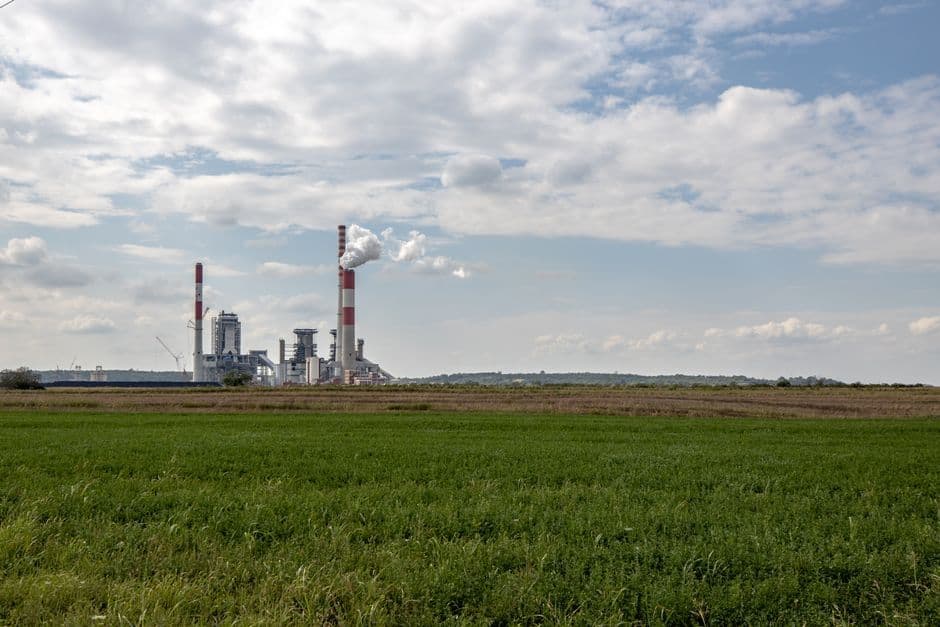
Stock photo for illustration only, not from the actual event
- Yara Sluiskil officially launched Europe's largest carbon capture facility on September 7, 2026.
- Captured CO2 is liquefied and shipped by Northern Lights vessels to Norway.
- The project aims to permanently store 12 million tons of carbon over the next 15 years.
- It helps lower the footprint of hard-to-abate fertilizer and ammonia production sectors.
The new carbon capture system targets emissions generated during ammonia production at Yara Sluiskil, which stands as Europe's largest ammonia and fertilizer manufacturing plant. Once the capture process is complete, the carbon dioxide is liquefied and temporarily stored on-site before being loaded onto vessels operated by Northern Lights. These ships then carry the cargo northward to Norway, marking the entry into an offshore storage network built to serve heavy industrial emitters across the European continent.
This geography provides a vital pathway for sectors such as fertilizer, cement, and waste management, where eliminating direct process emissions remains exceptionally difficult. Instead of dismantling these heavy industries, the project offers a viable route to significantly reduce their overall environmental footprint.
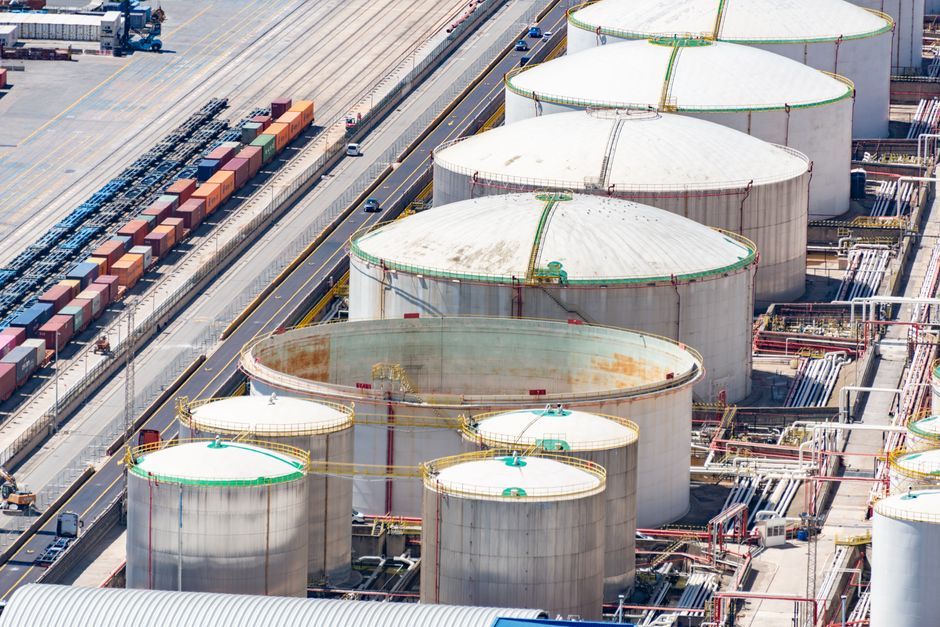
Stock photo for illustration only, not from the actual event
Geographic positioning serves as a key pillar for this initiative. Rather than requiring every industrial plant to sit directly above an appropriate geological storage site, maritime shipping allows capture facilities throughout Europe to connect with shared offshore infrastructure. The Yara project establishes the first complete cross-border chain of its kind at this scale, turning the North Sea into a permanent destination for emissions produced hundreds of kilometers away.
Establishing a cross-border carbon transport network between the Netherlands and Norway marks a major milestone, transforming carbon capture and storage (CCS) from an abstract climate concept into tangible macro-logistics involving ships, pipelines, and terminal infrastructure. This underscores the reality that heavy industry decarbonization requires shared international infrastructure rather than isolated facility-level solutions.
Over the next 15 years, Yara and Northern Lights expect the system to capture and permanently store approximately 12 million tons of CO2. The facility also enables Yara to lower the carbon footprint of goods manufactured at Sluiskil, including fertilizers and ammonia utilized across global agriculture, industry, energy, and shipping sectors. The company positions CCS as part of a broader effort to sustain European industrial production while curbing emissions from processes that cannot yet be fully electrified.
The Sluiskil facility was officially inaugurated on September 7, 2026, bringing together representatives from the Dutch and Norwegian governments, the European Commission, Yara, and Northern Lights. Beyond the inaugural ceremony, its true significance lies in making carbon capture visible as real industrial infrastructure, connecting a massive fertilizer plant to a reservoir deep beneath the seabed.
Source: designboom
Found something wrong in this article? Report an issue with this article
Comments
Leave a Comment