

Ed Davey promises tax cuts if UK rejoins EU single market
Liberal Democrat leader Sir Ed Davey pledges to raise personal tax allowances and cut taxes for millions funded by rejoining the EU single market if elected.
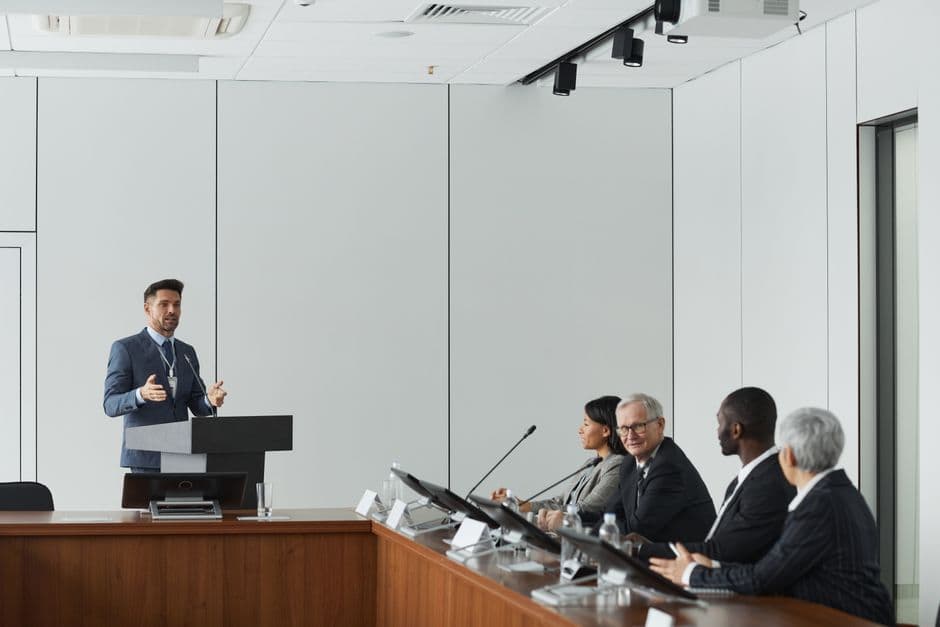
Stock photo for illustration only, not from the actual event
- Liberal Democrat leader Sir Ed Davey pledged major tax cuts during his speech at the party conference in Brighton.
- The plan includes raising the tax-free personal allowance to £15,000 and the 40p tax threshold to £56,000.
- The £17bn tax package would be funded by economic boosts from rejoining the EU single market and customs union.
- Davey also proposed a new International AI Safety Agency to regulate the reckless development of artificial technology.
Liberal Democrat leader Sir Ed Davey has announced that his party will contest the next general election on a platform focused on reducing tax burdens for millions of workers across the United Kingdom. Speaking at the annual party conference in Brighton on September 22, 2026, he outlined a comprehensive fiscal proposal designed to reshape the party's economic positioning.
Under the proposed roadmap, a Lib Dem government would raise the annual tax-free personal allowance from its current frozen level to £15,000. Additionally, the threshold for triggering the 40 percentage income tax bracket would be lifted from £50,270 to £56,000. The party projects that these adjustments would save most taxpayers approximately £680 annually, while simultaneously raising the starting threshold for employee National Insurance contributions to match the new allowance.
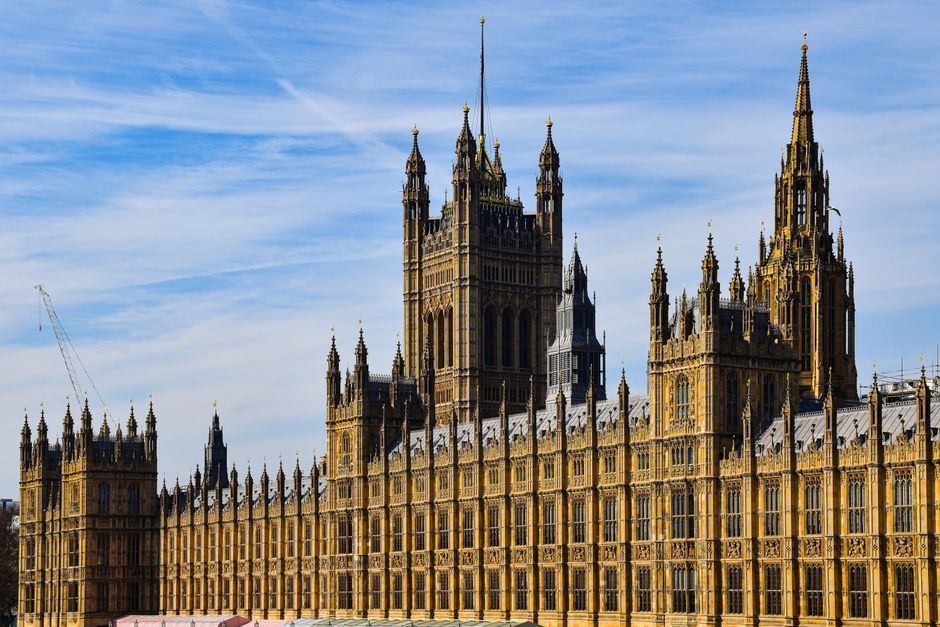
Stock photo for illustration only, not from the actual event
However, the full implementation of this £17bn tax-cut package would take time, with major reductions materializing in the fifth year of a Lib Dem administration. The party plans to unfreeze personal allowances in its second year to track inflation, relying on a successful renegotiation of closer trading ties with the European Union within 12 months to unlock the necessary economic dividends and a broader £27bn growth and defence pact.
The policy draws upon research conducted by the economic think tank Frontier Economics. While the Liberal Democrats maintain that closer alignment with the EU single market and customs union will generate sufficient fiscal headroom, independent analysts such as Stuart Adam from the Institute for Fiscal Studies have cautioned that the total cost could significantly exceed the £17bn figure quoted by the party leadership.
"This is a far-right movement that is given oxygen, and heat, and fuel by politicians and parties who claim to be serious contenders to lead our country," said the Lib Dem leader.
Sir Ed Davey, Liberal Democrat Leader
By rebranding the Liberal Democrats as a tax-cutting party that advocates for reversing Brexit-related trade barriers, Sir Ed Davey is strategically targeting voters in traditional Conservative strongholds. Trailing in fourth and fifth place in national opinion polls, the party aims to draw a sharp contrast with both the ruling administration and rival populist movements like Reform UK, which have floated similar tax-free allowance targets but through vastly different economic mechanisms.
In the same conference address, Sir Ed also addressed emerging technological challenges, warning delegates about the potential perils of artificial intelligence. He argued that unchecked AI development concentrates unprecedented economic and political power into very few hands, prompting his call for the establishment of an International Safety Agency modeled on nuclear regulatory frameworks to oversee the technology.
Source: BBC Politics
Found something wrong in this article? Report an issue with this article
Comments
Leave a Comment