

Analyzing Office Printer Ports on the Open Internet
ZoomEye query results from September 22, 2026, reveal printer port statistics, showing raw print port 9100 vastly outnumbers IPP.
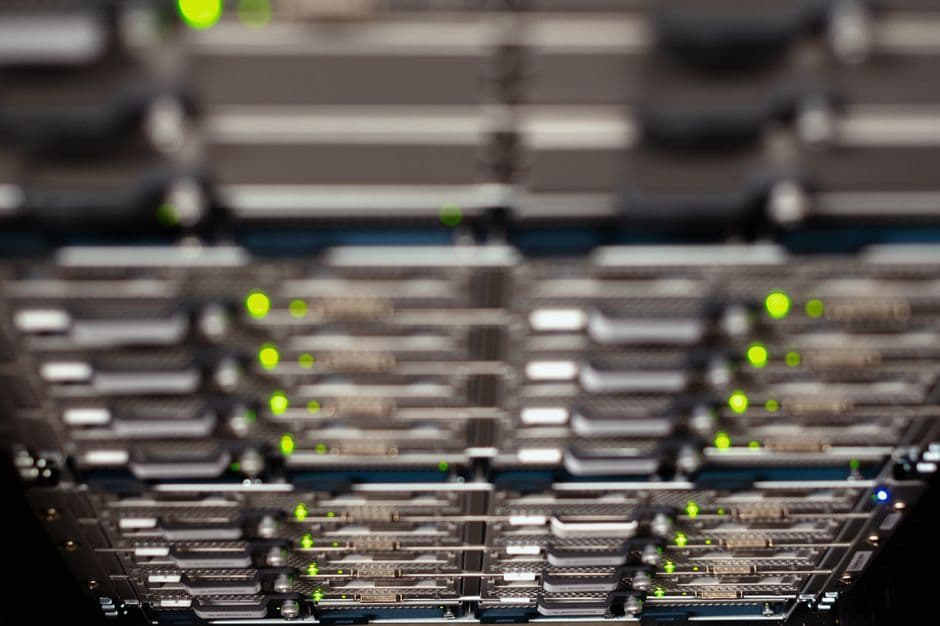
Stock photo for illustration only, not from the actual event
- ZoomEye port queries from September 22, 2026, show raw print port count dwarfs IPP by over a hundred times.
- Port 9100 operates with zero authentication, encryption, or protocol negotiation by default.
- IPP on port 631 supports modern TLS and authentication but remains largely restricted locally.
- Modern office printers function essentially as general-purpose computers attached to a print engine.
Printers frequently rank as the least scrutinized device category within security programs while remaining remarkably accessible across the open internet. Data collected via a ZoomEye query on September 22, 2026, highlights the prevailing architectural landscape of office hardware, revealing distinct patterns in how these network endpoints are exposed.
The quantitative gap between raw printing ports and Internet Printing Protocol ports serves as a crucial metric within the dataset. Rather than merely counting active hardware, this specific ratio illustrates configuration habits inherent across deployed printer fleets.
Port 9100 handles raw printing tasks, historically tied to HP JetDirect standards and adopted universally by modern network printing hardware and print servers alike. This interface accepts incoming print jobs directly as unformatted byte streams without demanding authentication, encryption, or preliminary protocol handshakes.

Stock photo for illustration only, not from the actual event
Enabled universally out of the box because it represents the path of least resistance for printer deployment, this port also anchors many legacy print management solutions. Consequently, disabling it often demands tedious manual adjustments across every connected client print queue, cementing its high visibility on public networks.
"The raw print port has more than a hundred times the count of the IPP port. That ratio is the most useful observation in the dataset, because it describes how printers are configured rather than how many printers exist."
Dev.to
From an enterprise cybersecurity standpoint, the coexistence of default activation and operational disruption during remediation represents a textbook operational vulnerability. It underscores how usability pressures consistently override baseline security hardening in standard administrative workflows.
Conversely, IPP running on port 631 leverages HTTP foundations alongside robust TLS encryption and authentication capabilities. Serving as the default standard for contemporary operating systems, its public exposure remains exceptionally low because administrators typically bind these services strictly to loopback interfaces or local subnets.
Similarly, SNMP deployment tracked via port 161 yielded a remarkably low count of 299 instances, reflecting stricter network perimeter policies applied to administrative management interfaces compared to user-facing print functions.
Source attribution: The insights and data points discussed are derived from network research published within the developer community platform.
Source: Dev.to
Found something wrong in this article? Report an issue with this article
Comments
Leave a Comment