

World of WearableArt 2026: Art in Motion in Wellington
World of WearableArt 2026, titled GLO! at Wellington's TSB Arena, showcases 108 finalist works by 134 designers from 18 countries.
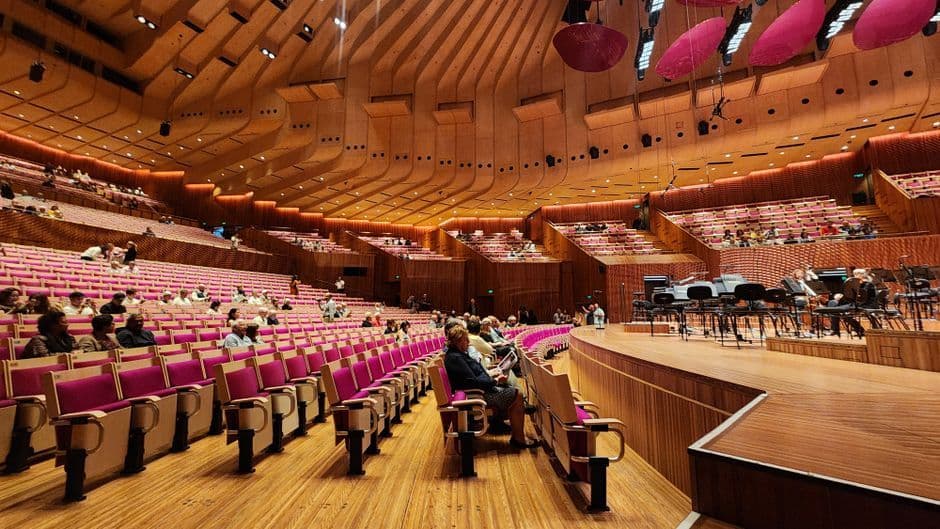
Stock photo for illustration only, not from the actual event
- World of WearableArt 2026 takes place at the TSB Arena in Wellington, New Zealand
- Features 108 finalist garments created by 134 designers across 18 countries
- Kayla Christensen wins the 2026 Supreme WOW Award with Sacred Nightfall
- Garments must withstand stage lighting, distance, and live choreography
The World of WearableArt competition begins with an object, yet its true test unfolds once that creation reaches a human body. In Wellington, finalist garments enter a grand arena where distance, movement, and dramatic stage lighting serve as strict design constraints, fundamentally altering what remains visible to seated spectators.
The 2026 edition, officially titled GLO!, brings together 108 finalist works crafted by 134 designers hailing from 18 countries at the TSB Arena. Its core critical challenge examines how an artwork transforms when it must perform live for an audience, requiring construction robust enough to endure choreography while looking striking both up close and from afar.

Stock photo for illustration only, not from the actual event
This pressure is vividly displayed in the 2026 lineup. Joe Blanck's Lophii envelops the wearer in the silhouette of a deep-sea anglerfish with an illuminated lure, while Cecilio Castrillo's Artemis stretches outward with pale, winged structures against a dark stage. Meanwhile, Kayla Christensen's Sacred Nightfall claimed the 2026 Supreme WOW Award by transforming an intricately stitched tapestry into a moving figure.
"A performance comes into being through the bodily co-presence of actors and spectators."
Erika Fischer-Lichte
Contextual Analysis: WOW bridges the gap between static sculpture and dynamic live performance. Because wearable art relies on the wearer's body and motion to reveal its true scale, designers must treat movement and spatial distance as core structural elements rather than mere accessories.
Furthermore, digital documentation transforms live choreography into frozen photographic poses for a global audience online, rewarding strong silhouettes and immediate visual legibility.
Source: designboom
Found something wrong in this article? Report an issue with this article
Comments
Leave a Comment