

Europe's car makers face crisis: Can military pivot save them?
European automakers like Ford, Renault, and JLR are moving into military manufacturing amid production crises and intense Chinese competition.
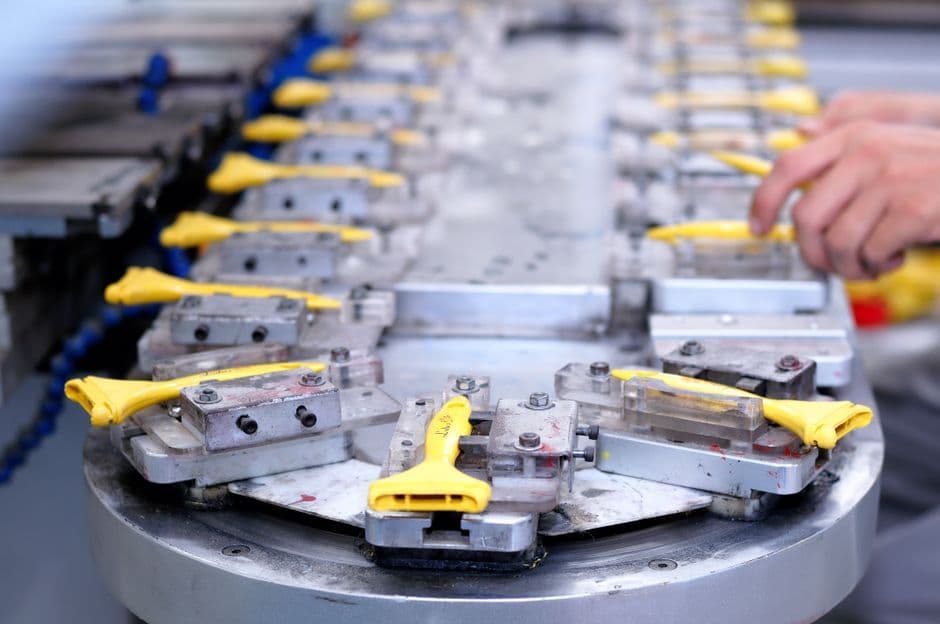
Stock photo for illustration only, not from the actual event
- European automakers face severe overcapacity and fierce competition from Chinese rivals.
- Ford, Renault, and JLR are pivoting toward military vehicle and defense equipment production.
- Surging European defense budgets provide a lifeline for under-utilised automotive factories.
- UK automotive supply chains warn of deep vulnerabilities following major job cuts.
Inside the factory floor, diesel engines destined for military vehicles move along a production line that has seen output cut in half over the past decade, dropping from 90,000 engines annually to a fraction of its former scale.
Ford is hoping that a strategic pivot toward military hardware can help fill the void left by what the company's UK leadership describes as the most challenging business environment since the invention of the motor car.
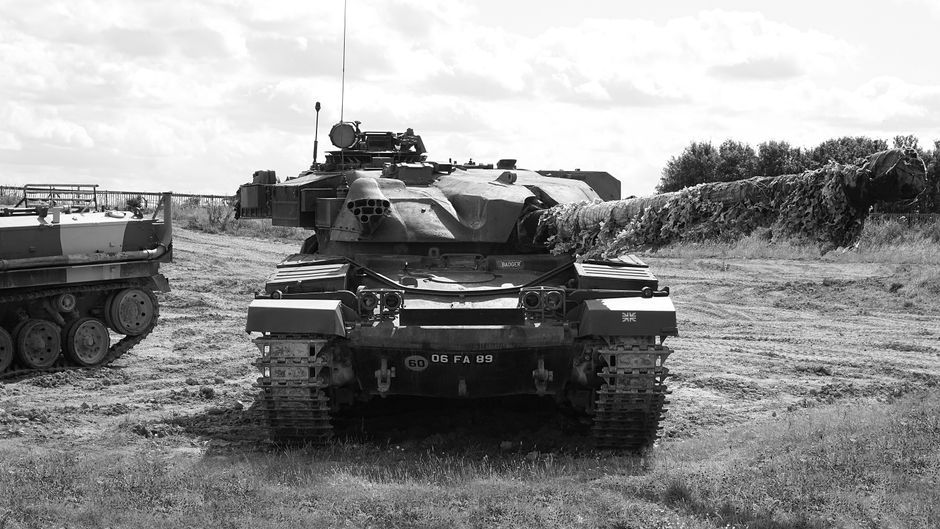
Stock photo for illustration only, not from the actual event
As part of this shift, Ford has joined a joint venture with defense specialists General Dynamics and Ricardo to bid for a UK Ministry of Defence contract. The program aims to supply 9,000 vehicles over five to seven years to replace the British Army's aging Land Rover fleet, competing directly with Jaguar Land Rover (JLR), which is also bidding for the contract.
This is not an entirely unprecedented move for Ford. Ahead of World War Two, the company's Dagenham factory in east London converted entirely to military production, building 360,000 vehicles for the Allied war effort between 1939 and 1945 alongside Rolls-Royce-designed aircraft engines.
"As a manufacturer you look at every opportunity that comes at you and this is a great opportunity that we would love to take advantage of."
Lisa Brankin, Chair of Ford UK
Eighty years later, surging defense spending driven by regional security concerns and reduced reliance on traditional security umbrellas has prompted carmakers under commercial pressure from Chinese EV manufacturers to explore defense contracts. Renault has partnered with Thales to produce up to 1,000 military drones per month, while Volkswagen is converting an under-used factory in Osnabruck into a defense manufacturing hub.
Transitioning under-utilized automotive manufacturing capacity to defense applications highlights the viability of industrial dual-use strategies. However, retooling mass-production lines for strict military specifications requires significant capital expenditure, forcing automakers to carefully balance falling margins in the commercial EV sector against long-term government defense contracts.
Nevertheless, industry suppliers remain anxious. Following JLR's announcement of 4,000 job cuts from its 30,000-strong UK workforce, major component suppliers have warned the government that large-scale automotive manufacturing in the UK faces long-term structural decline, with ripples running deep through the entire supply chain.
Source: BBC Business
Found something wrong in this article? Report an issue with this article
Comments
Leave a Comment