

India boosts green energy to 54% but wastes vast amounts
India reaches its 300GW renewable energy target five years ahead of schedule, yet grid bottlenecks and battery shortages lead to massive green energy waste.
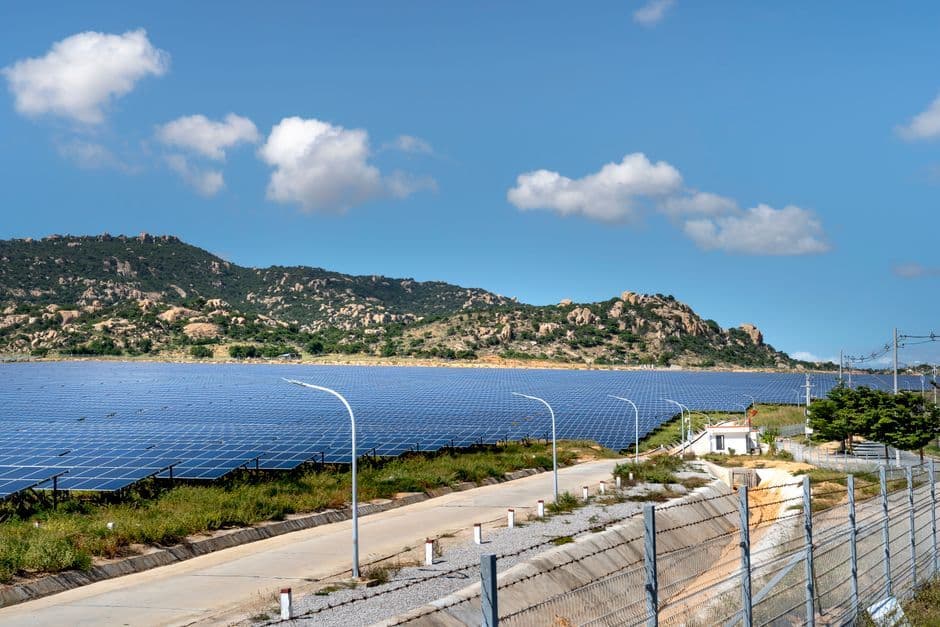
Stock photo for illustration only, not from the actual event
- India's installed renewable energy capacity reaches 300 gigawatts, accounting for 54% of its total capacity.
- Rapid clean energy expansion has significantly outpaced the development of transmission infrastructure.
- Grid constraints and inter-state project delays lead to substantial renewable energy curtailment.
- Surging battery prices and financing costs hinder the expansion of essential energy storage systems.
During a hot July afternoon, electricity generated from renewable sources briefly met over half of India's peak power demand for only the second time in history. The previous milestone occurred during the exact same period a year prior, highlighting the phenomenal growth of non-fossil fuels in the country's power mix.
While coal-powered plants continue to generate 70% of India's electricity on average due to higher load factors, the nation's push for sustainable energy has reached a pivotal juncture. India's installed renewable capacity has climbed to 300GW, representing 54% of its total 552GW capacity—achieving a major national target five years ahead of schedule.
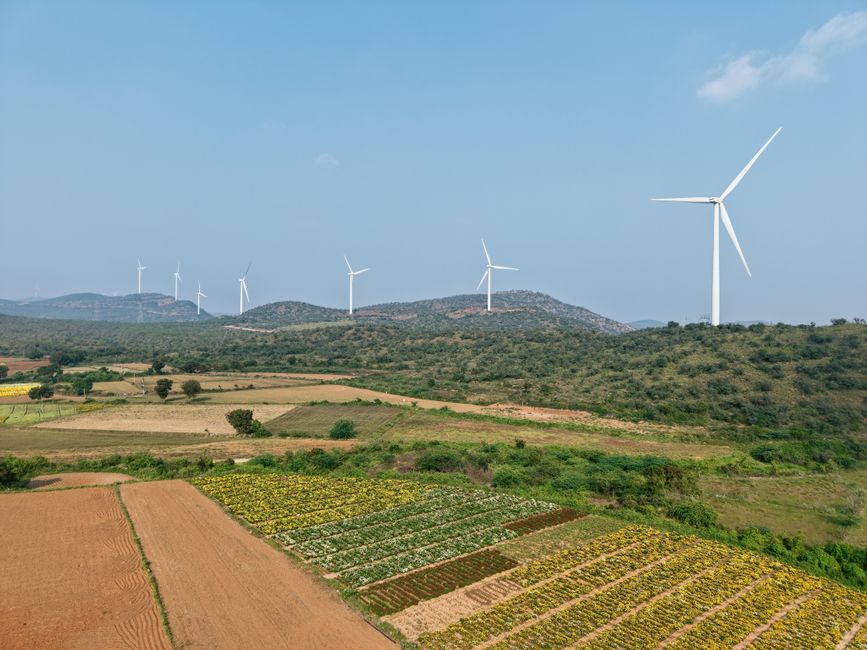
Stock photo for illustration only, not from the actual event
Despite these achievements, serious operational challenges threaten to undermine the progress. Grid capacity shortages have outpaced transmission infrastructure builds, emerging as a primary concern for policymakers. According to Ember, transmission constraints accounted for nearly two-thirds of all renewable energy curtailment, reaching 300 gigawatt-hours in the first quarter of 2026 alone.
"Generation projects can be constructed in 18-24 months… Transmission can take much longer because they involve right-of-way, land acquisition, approvals and coordination across many agencies."
Sinha
Vibhuti Garg from the Institute for Energy Economics and Financial Analysis attributes part of the crisis to poor planning. While the grid could easily absorb new capacity when annual additions ranged between 10 and 15 gigawatts, the record-breaking addition of 51GW last year overwhelmed existing infrastructure. Furthermore, the high concentration of renewable projects in the north-western states of Gujarat and Rajasthan has intensified regional power evacuation challenges.
India's renewable energy transition illustrates a vital lesson for expanding power grids globally: outpacing infrastructure development with generation capacity inevitably leads to efficiency losses. Without simultaneous investments in high-capacity transmission lines and robust storage systems, green energy curtailment will remain a persistent hurdle for rapidly developing economies.
Deploying battery storage systems could have mitigated the energy waste by storing surplus power for evening peak hours. However, storage expansion stalled due to a massive spike in battery prices, raw material shortages driven by Middle Eastern conflicts, and a weakening Indian currency. Securing international climate finance remains another uphill battle, with estimates indicating India needs up to $500 billion to hit its 500GW target by 2030.
Source: BBC Science & Environment
Found something wrong in this article? Report an issue with this article
Comments
Leave a Comment