

Banana Trees: The Ultimate Thai Crop Where Every Part Is Useful and Edible
Explore the incredible health benefits and culinary uses of every part of the banana tree, from fruit and blossoms to trunks and leaves.
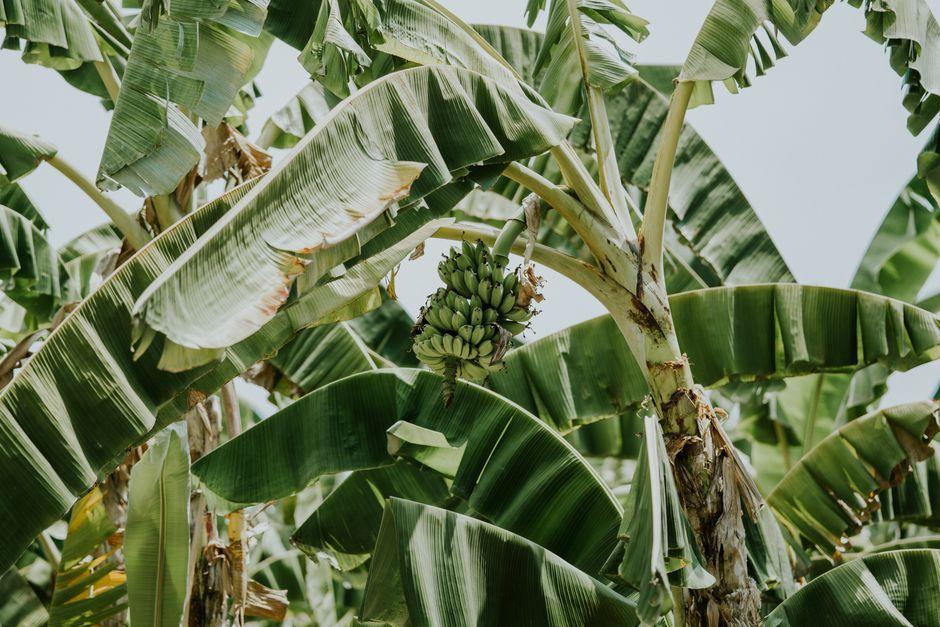
Stock photo for illustration only, not from the actual event
- Banana trees are zero-waste crops where virtually every part can be utilized.
- Banana fruits provide quick energy and potassium to support muscle function.
- Banana blossoms are rich in iron and known to boost milk production for new mothers.
- Banana tree trunks contain exceptionally high dietary fiber to aid digestion.
For health enthusiasts and cooking lovers, the banana tree is a remarkable ingredient that grows fast, requires little effort to cultivate, and operates on a zero-waste principle where nothing goes to waste. Data from Thailand's Department of Health indicates that bananas are packed with essential vitamins and minerals. This article breaks down how each part of the banana tree can be cooked and why it benefits the body.
Starting with the fruit, the most familiar part, it contains natural sugars that the body quickly absorbs for energy, keeps you full longer, and supplies potassium for muscle care. Raw or firm bananas can be sliced thin into crispy chips or eaten alongside Vietnamese meatball rolls to coat the stomach. Ripe bananas can be blended into smoothies, grilled, or made into sweet banana in coconut milk.
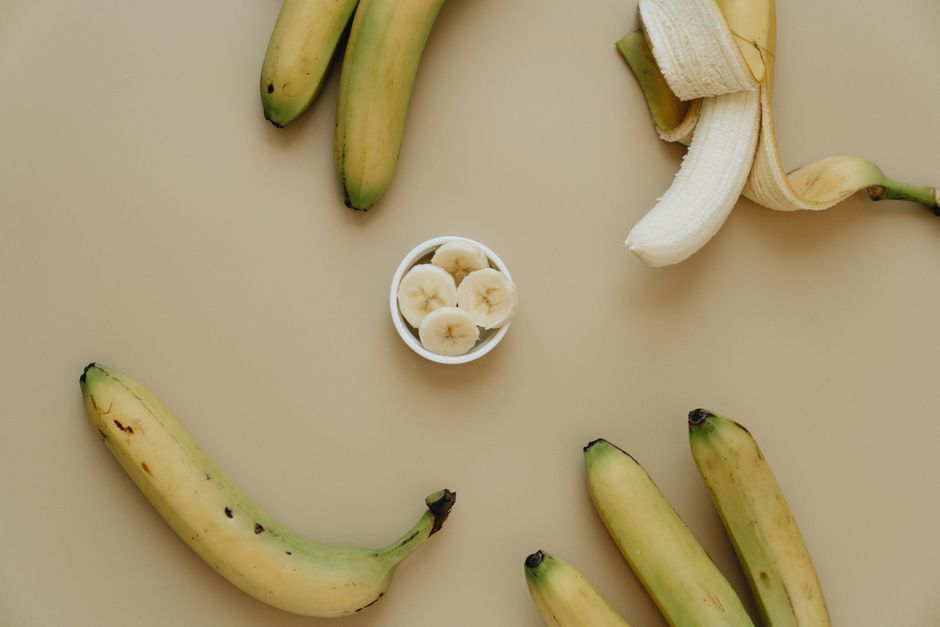
Stock photo for illustration only, not from the actual event
Next is the banana blossom, the unbloomed flower which features a slightly astringent taste paired with a crunchy texture, low calories, and high iron content. Popular dishes include spicy prawn and blossom salad, spicy vegetable soup (Kaeng Liang), or shredded blossom served as a fresh side with Pad Thai and rice noodles. It is also famous for helping new mothers produce breast milk.
The banana trunk core, known as Hua Yok, is soft and water-rich, boasting extremely high dietary fiber that stimulates bowel movements like a broom clearing out the digestive tract. It also has cooling properties to soothe the throat. Recommended recipes include chicken and banana trunk curry, grilled banana trunk parcels, or adding it to spicy jungle curries.
Utilizing banana trees deeply reflects traditional Thai wisdom and sustainable resource management from the past. Historically, during large community events like merit-making ceremonies or weddings, banana trunk curry was a staple menu because the plants were abundant and cost-effective, demonstrating a brilliant approach to local food security.
Although banana leaves cannot be eaten, they play a crucial role in Thai kitchens for wrapping food. When heated, natural essential oils in the leaves infuse the food with a distinct aroma, used for wrapping sticky rice desserts, steamed fish parcels, and traditional sweets while reducing plastic waste.
Ultimately, the banana tree is a household treasure offering complete benefits, rich flavors, vitamins, and fiber. Those who have never tried banana blossoms or trunks should give them a try to enjoy both fantastic taste and better health.
Source: Thairath Lifestyle
Found something wrong in this article? Report an issue with this article
Comments
Leave a Comment