

Indonesia wildfires trigger over 170,000 respiratory cases
Indonesia's health ministry reports over 175,000 respiratory illness cases since August amid severe wildfires and toxic haze.
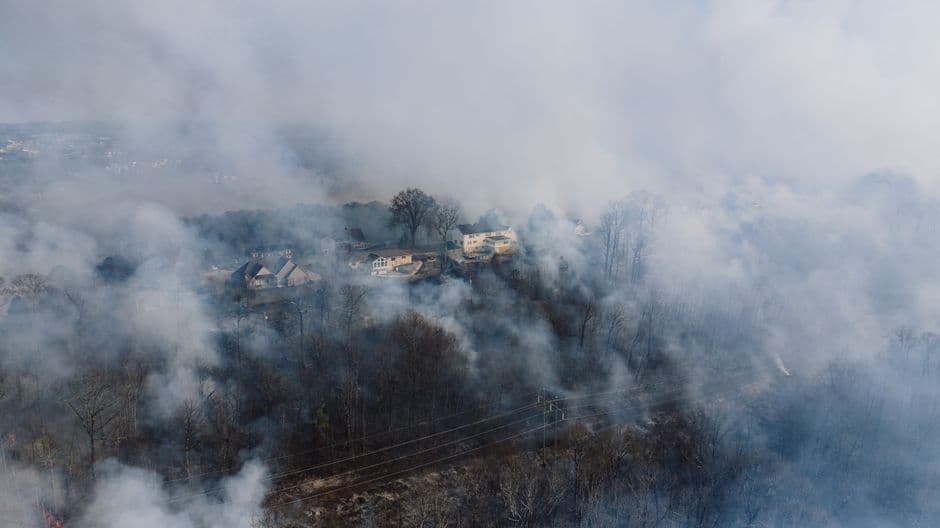
Stock photo for illustration only, not from the actual event
- Respiratory illness cases in Indonesia exceed 175,000 since August.
- Over 40,000 toddlers affected by conditions ranging from coughs to pneumonia.
- Nusantara Atlas detects approximately 734,000 hotspots nationwide.
- Over 895,657 hectares of land burned across Indonesia since January.
Some 175,000 people in Indonesia have suffered from respiratory illnesses since August, according to the country's health ministry, as authorities continue battling wildfires that have raged for weeks. The toxic smog has blanketed parts of the nation alongside neighboring Malaysia and Singapore, driving air quality indices down to unhealthy levels.
More than 40,000 of the recorded cases involve toddlers experiencing ailments ranging from simple coughs and bronchitis to severe conditions like pneumonia. In response, Indonesia has deployed over 54,000 officials and dozens of jets to Borneo and Sumatra for water bombing operations, though expansive territory and challenging peatland terrain complicate firefighting efforts.
This year's fires have been severely worsened by a powerful El Nino phenomenon, creating extreme dry conditions. Independent forest monitoring platform Nusantara Atlas detected roughly 734,000 hotspots across the country as of Wednesday, marking a figure over 30% higher than during 2019. Furthermore, at least 895,657 hectares of land—nearly six times the size of Greater London—have been destroyed since January.
"Everything is being done to extinguish the fires, reduce the impact of the smoke, and, most importantly, protect the public from the threat of forest and land fires."
Indonesian authorities
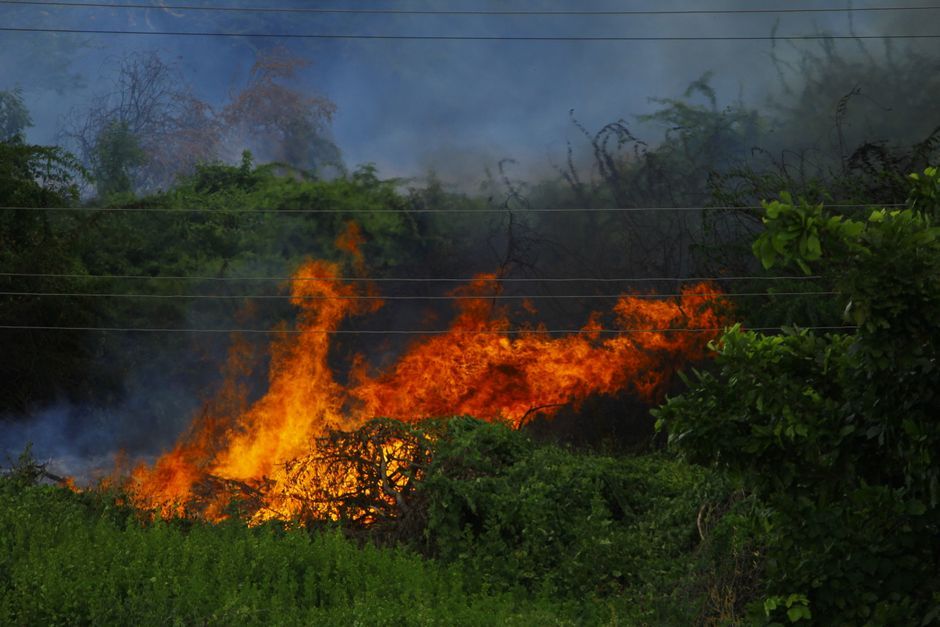
Stock photo for illustration only, not from the actual event
The toxic haze has also inflicted severe damage on local wildlife, including critically endangered orangutans. Late last month, a wildlife foundation shared footage of an orangutan struggling on a palm oil plantation in West Kalimantan, one of the hardest-hit provinces. The ape was rescued and treated for hypoxia but later died. Meanwhile, indigenous and civil society groups filed a class action lawsuit against the central and local governments accusing them of negligence.
The recurring severe haze crises in Southeast Asia underscore the critical vulnerability of regional ecosystems to climate change. The combination of intense El Nino conditions and peatland degradation poses severe public health challenges. While short-term mitigation measures like cloud seeding offer temporary relief, sustainable long-term prevention policies remain essential to address the root causes of agricultural burning.
Indonesia has conducted multiple cloud-seeding operations, including assistance from Japan's Self-Defense Forces on Borneo. In Malaysia's Sarawak state, authorities launched a five-day cloud-seeding mission to boost declining water levels at hydropower dams. The haze has also reached parts of the Philippines and Singapore, prompting local authorities to issue health advisories.
Source: BBC Science & Environment
Found something wrong in this article? Report an issue with this article
Comments
Leave a Comment