

Hurricane Polo Downgraded to Category 4 Off Mexico
The US National Hurricane Center reports that Hurricane Polo off the south-western coast of Mexico has been downgraded to a category 4 storm while maintaining immense power fueled by El Niño.

Stock photo for illustration only, not from the actual event
- Hurricane Polo has been officially downgraded to a category 4 storm
- The slow-moving system is located off the south-western coast of Mexico
- Warm ocean waters driven by El Niño are fueling the powerful Pacific storm
According to the US National Hurricane Center, Hurricane Polo, a massive storm system situated off the coast of Mexico, has been downgraded to a category 4 hurricane. Despite this reduction in scale, authorities emphasize that the weather system remains exceptionally powerful and stands out as one of the strongest storms observed during the current Pacific season.
Initial projections for the path of the storm indicated it was heading toward the south-western coastline of Mexico, bringing threats of intense rainfall and severe winds. However, forecasters did not anticipate that the slow-moving meteorological disturbance would actually make landfall.
The slow progression of the storm is being continuously sustained by abnormally warm ocean waters. This thermal energy is directly driven by the El Niño climate phenomenon, which acts as the primary fuel source maintaining the immense power of the hurricane in the Pacific Ocean.
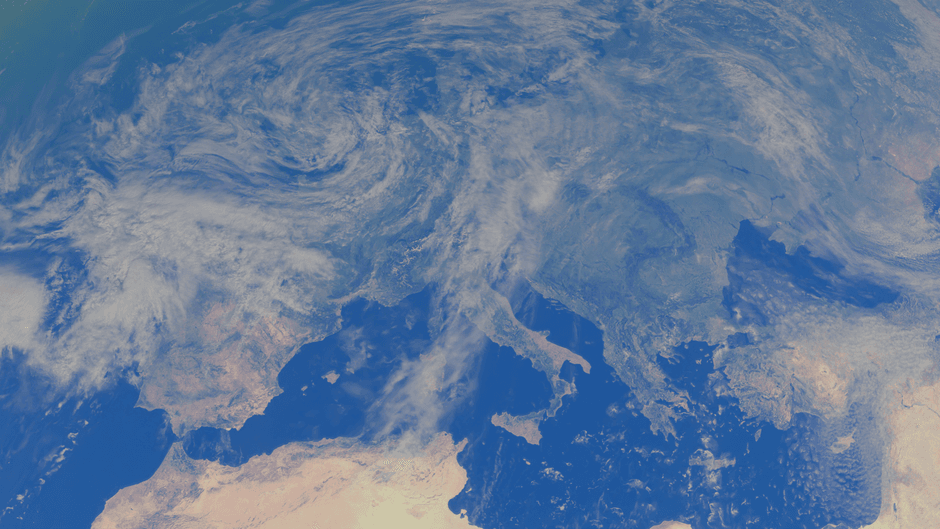
Stock photo for illustration only, not from the actual event
The El Niño climate phenomenon alters sea surface temperatures across the Pacific Ocean, providing additional thermal energy that tropical storm systems can tap into. This energy transfer often leads to intensified moisture accumulation and higher storm intensity, making ocean temperature monitoring critical for forecasting extreme weather events.
BBC journalist Courtney Sargent breaks down the mechanics behind how El Niño contributed to forming one of the most destructive storms in the Pacific basin this season, highlighting broader connections to shifting global weather patterns and rising marine temperatures.
Source: BBC Science & Environment
Found something wrong in this article? Report an issue with this article
Comments
Leave a Comment