

Supachai Rebuts Yingcheep Over Defamation Venue, Stating Broadcasts Span Nationwide
Bhumjaithai's legal chief Supachai Jaisamut counters iLaw director Yingcheep's stance on filing defamation charges, arguing that parliamentary press conferences make offenses nationwide.
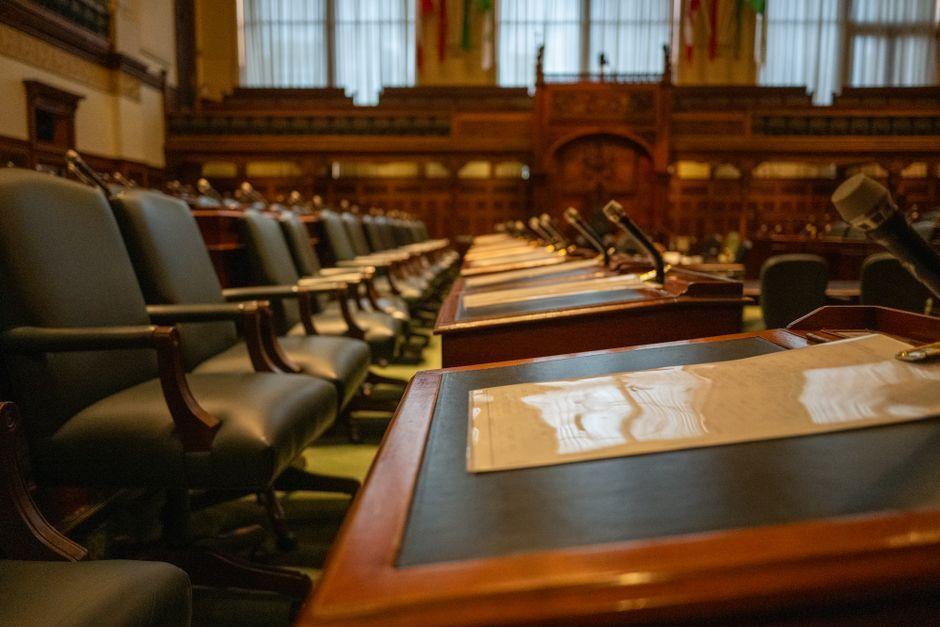
Stock photo for illustration only, not from the actual event
- Supachai Jaisamut clashes with iLaw director Yingcheep over police station jurisdiction.
- Argues defamation via parliament press differs from local theft cases due to wide reach.
- Media broadcasting ensures the legal offense occurs across every province in Thailand.
- Concludes victims can file police complaints or lawsuits in any province they choose.
Following the move by Mr. Yingcheep Atchanont, director of the Internet Law Reform Dialogue (iLaw), who cited Section 18 of the Criminal Procedure Code to argue there is no legal provision allowing victims to file police complaints based on their convenience or home districts, a counter-response quickly emerged.
On July 29, 2026, Mr. Supachai Jaisamut, a party-list MP for the Bhumjaithai Party and head of its legal working group, took to his personal Facebook page to express a legal opinion starkly different from iLaw's stance. He remarked that he found iLaw's reasoning confusing, maintaining that a lost bag case and a defamation case are fundamentally different.
This legal debate highlights differing interpretations of the Criminal Procedure Code regarding modern media dissemination. While the traditional view focuses strictly on where the initial statement is uttered, modern litigation often considers widespread online and broadcast publication as acts that multiply the jurisdictions where a crime can be legally deemed to have taken place.

Stock photo for illustration only, not from the actual event
Supachai elaborated that if iLaw had quietly whispered information regarding nine Bhumjaithai Party members privately, no defamation case would have arisen. Instead, they chose to submit documents and hold a loud press conference at the parliament podium in front of hundreds of journalists, which was subsequently broadcast across online platforms and newspapers.
Because people in Amnat Charoen, Omkoi, Su-ngai Padi, and Bueng Kan were all able to see, hear, and read the news, the legal infraction effectively took place throughout the entire kingdom, according to the MP.
“Therefore, under these circumstances, victims can file a police complaint or sue in the provincial court of any jurisdiction they prefer.”
Supachai Jaisamut
Source: Khaosod Politics
Found something wrong in this article? Report an issue with this article
Comments
Leave a Comment