

Scotland rubbish crisis: experts warn of waste piling up
Experts warn Scotland faces a severe rubbish crisis as landfill sites dwindle to three and Glasgow's main incinerator shuts down for repairs until March.

Stock photo for illustration only, not from the actual event
- Scotland's waste sector faces an imminent crisis with potential rubbish pile-ups.
- Landfill sites accepting residual waste have dropped from ten to just three.
- Glasgow's main Polmadie incinerator is closed for repairs until next March.
- Experts warn that household waste may soon have nowhere to go.
Scotland's waste management sector is teetering on the edge of a critical shortage that could leave rubbish accumulating on city streets, industry experts have cautioned. While industry representatives are scheduled to meet government ministers to address their deep concerns, stakeholders admit there is currently no obvious short-term remedy to avert the brewing crisis. The Scottish government stated it is actively collaborating with stakeholders to maintain system resilience and formulate contingency plans should they become necessary.
The root of the issue is tied to shrinking landfill capacity across Scotland as operators wind down activities ahead of a planned ban on sending black bag waste to landfill sites. This ban was originally scheduled to take effect earlier this year before being postponed to January 2028, following investigative reports showing it would require 100 lorry loads of waste transported to England by road daily.
The situation escalated significantly when Glasgow's primary incinerator at Polmadie suffered a breakdown. Routine inspections revealed welding cracks, forcing the facility offline since April with operations not expected to resume until next March. Consequently, a vast amount of urban household waste is being diverted to the Mount Vernon landfill site operated by Patersons. However, operators indicate the site retains only a few months of remaining capacity, with weekly processing volumes surging from approximately 2,000 tonnes to 5,000 tonnes. An appeal to extend the site's capacity was rejected by the Scottish government, meaning the facility is projected to reach its limit by the end of the year.
"Could you see waste on the street? Absolutely"
David Balmer
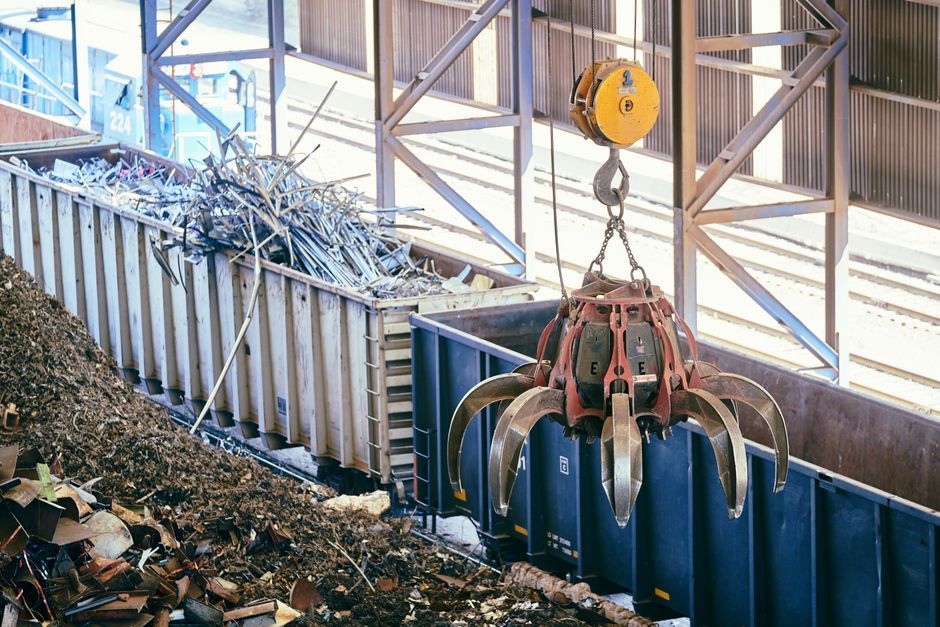
Stock photo for illustration only, not from the actual event
This looming waste crisis in Scotland highlights the fragility of municipal infrastructure transitions. When sustainability policies like landfill bans collide with operational setbacks—such as unexpected long-term incinerator repairs—the entire disposal supply chain experiences severe bottlenecks that are difficult to resolve in the short term.
David Balmer, a landfill manager working alongside Mount Vernon's operator Patersons, described the convergence of these factors as a perfect storm that will leave Scottish rubbish with nowhere to go. Balmer emphasized that councils and waste management contractors maintain a legal obligation to collect refuse. Meanwhile, Alasdair Meldrum, a waste consultant with Albion Environmental, noted he has not witnessed such an alarming crisis in nearly 40 years within the industry, noting that commercial operators are already struggling to find disposal outlets and are forced to transport waste hundreds of miles into England.
Although one theoretical solution involves households reducing black bag waste through increased recycling—with Zero Waste Scotland estimating over half of domestic residual waste is recyclable and food waste could undergo anaerobic digestion—environmental group Friends of the Earth Scotland argues that systemic policy flaws are to blame rather than consumer behavior. Kim Pratt, a circular economy campaigner, asserted that excessive focus on incineration rather than waste reduction has exacerbated the situation, making the landfill ban harder to meet and driving up household expenses.
Glasgow City Council maintained that general waste is being safely redirected to alternative disposal sites, including other energy-from-waste facilities, expressing confidence that sufficient system capacity exists while the Polmadie plant is offline. The council advised residents to continue utilizing household bins as normal without disruption to recycling services, while Climate Action Secretary Gillian Martin stressed that shifting toward a circular economy where materials are kept in use remains an absolute necessity.
Source: BBC Science & Environment
Found something wrong in this article? Report an issue with this article
Comments
Leave a Comment