

Meta Connect 2026: Muse Charm standalone AI gadget announced
Meta previewed the Muse Charm, a standalone AI gadget that operates without a phone, at Meta Connect 2026 ahead of a December release.

Stock photo for illustration only, not from the actual event
- Meta announced the Muse Charm hardware device for its new Muse AI agent at Meta Connect 2026
- The device resembles a thick smartwatch without a strap, featuring a large screen and a lanyard
- It includes a fingerprint sensor, a small camera, and three microphones, targeting a December launch
Meta is developing a dedicated hardware device built specifically for its new Muse AI agent. Titled the Muse Charm, the product was briefly showcased by Meta CEO Mark Zuckerberg during the final moments of the Meta Connect 2026 keynote presentation. The device bears a strong resemblance to a chunky smartwatch stripped of its wristband, sporting a sizeable display alongside a convenient carrying lanyard.
The Muse Charm incorporates a fingerprint scanner positioned on the upper right corner, allowing users to press it to activate and immediately begin conversing with the AI agent. The hardware also appears to feature a compact camera lens and roughly three microphone openings on the front panel. Zuckerberg pointed out that users will not need to unlock a smartphone or launch a mobile application to operate the Charm, though he omitted specifics regarding how the gadget connects to Meta's server infrastructure.
Meta aims to ship the Charm in time for the holiday shopping season this December, though Zuckerberg conceded that the company has only constructed a handful of units so far. He noted that the team still needs to finalize the finishing materials for the device. Throughout his keynote presentation, he teased the hardware by referencing a translucent outer shell that would expose the internal components, describing the look as an elevated hacker aesthetic.
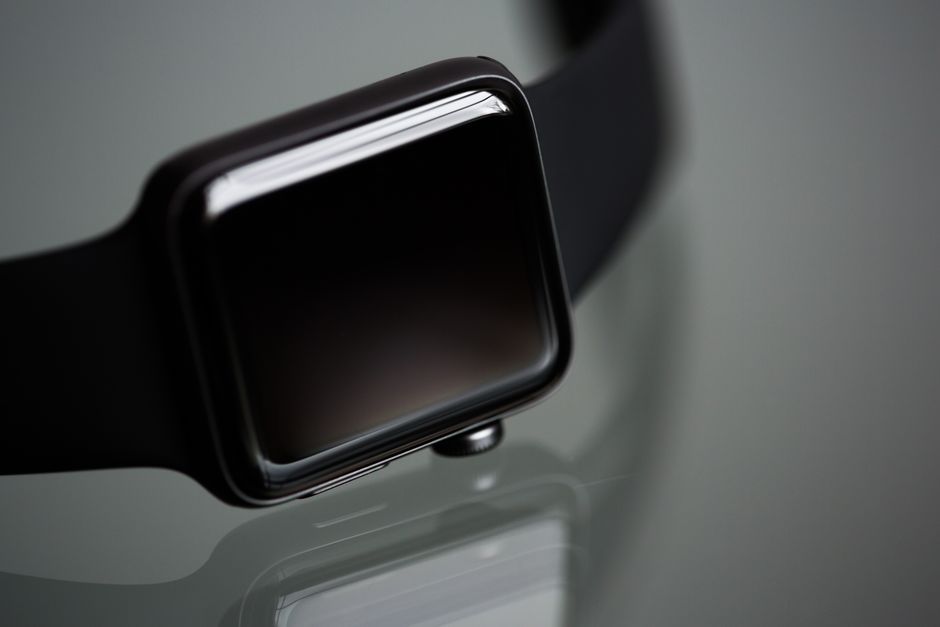
Stock photo for illustration only, not from the actual event
Although the Muse project is under a month old, the AI agent has rapidly evolved into a prominent product for Meta. The bot is engineered to execute actions on behalf of the user, and Zuckerberg dedicated a segment of the keynote to unveiling fresh capabilities, such as computer operation on Macs and direct control over email accounts.
"We’ve only built a few of these so far, and we still need to finalize the finishing material."
Mark Zuckerberg
Numerous corporations are currently racing within the largely undefined and experimental landscape of AI hardware. The closest conceptual parallel to the Muse Charm is the Rabbit R1, a similarly proportioned compact device housing an AI agent that ultimately lacked the robust capabilities necessary to justify daily carry. The Connect event underscored Meta's intense ambition to capture the next major hardware platform shift, moving aggressively to test whether Muse can succeed as a standalone physical device.
Meta's push into dedicated AI hardware highlights a strategic effort to bypass traditional mobile ecosystems dominated by Apple and Google. By embedding an agent directly into a wearable companion like the Muse Charm, Meta hopes to streamline user interaction, bypassing the friction of unlocking a phone screen. However, significant challenges remain regarding cellular connectivity, battery efficiency, and proving clear utility over existing smartphones.
Source: The Verge
Found something wrong in this article? Report an issue with this article
Comments
Leave a Comment