

Japan Rushes Against Time as Over 100 Aftershocks Hit Following Deadly Magnitude 6.8 Quake
South-western Japan's Kyushu region has been struck by more than 100 aftershocks and a 6.8 magnitude earthquake, leaving at least 13 dead and rescue teams racing against searing heat.
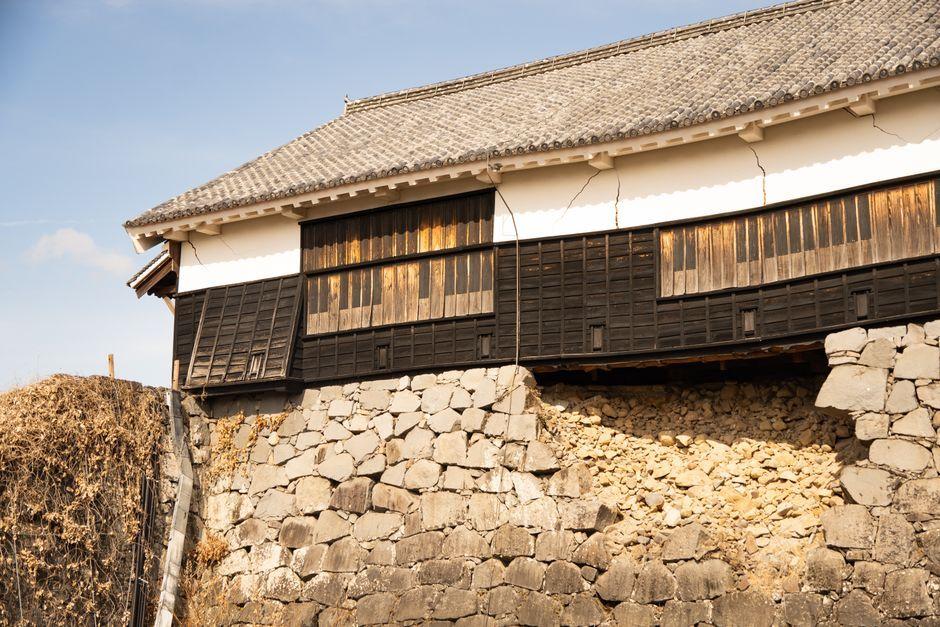
Stock photo for illustration only, not from the actual event
- A shallow magnitude 6.8 to 7.1 earthquake struck Japan's south-western Kyushu region.
- At least 13 people are confirmed dead with many others trapped under rubble.
- Over 100 aftershocks have been recorded, prompting severe earthquake warnings from the JMA.
- Prime Minister Sanae Takaichi described the rescue operation as a desperate race against time.
Japan's south-western Kyushu region has recorded more than 100 aftershocks following a powerful earthquake on Tuesday. The Japan Meteorological Agency (JMA) measured the quake at magnitude 7.1, while the US Geological Survey placed it at 6.8. With a shallow epicentre depth of just 10 kilometres about 20 kilometres south of Kumamoto city, the disaster has left at least 13 people dead and numerous others suffering from cardiopulmonary arrest.
Amid scorching temperatures reaching 35 degrees Celsius or 95 Fahrenheit, rescue crews consisting of over 4,600 personnel are tirelessly digging through debris at a paper factory and the Aeon Mall in Kumamoto prefecture. The shopping centre suffered an explosion shortly after the main tremor, blowing off large parts of its exterior and leaving steel beams exposed while thick white smoke billowed into the car park.
Akio Yoshida, president of Aeon Mall, confirmed in a press conference that three people were killed in the mall blast and another three employees remained unaccounted for out of roughly 2,700 workers. Four individuals were hospitalized, including one rescued from a restroom and another found in cardiopulmonary arrest. Meanwhile, a factory in Yatsushiro City reported two people found with no signs of life alongside nine missing individuals.
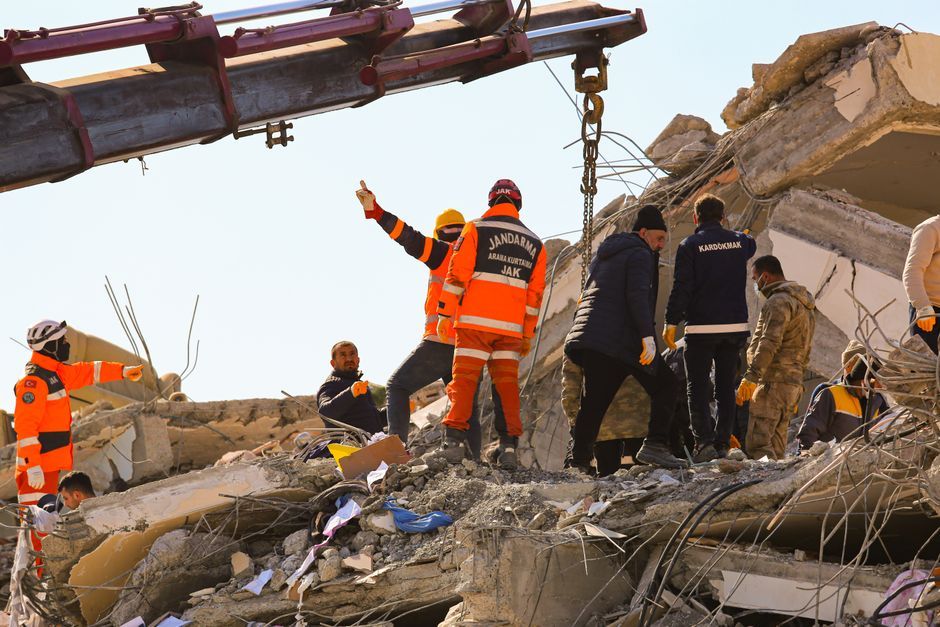
Stock photo for illustration only, not from the actual event
"All of a sudden there was a big jolt, and I was surprised and scared... I have lived here for 75 years, but I have never experienced such a big quake. I thought I would die."
Hiroko Ogata, 75-year-old resident
Japanese Prime Minister Sanae Takaichi emphasized that officials are locked in a true race against time to rescue those trapped under collapsed structures. Defence Minister Shinjirō Koizumi added via social media that about 300 air conditioning units are being flown to Kumamoto to support evacuation centers and protect survivors and workers from heatstroke during clean-up operations.
This seismic event highlights the severe destructive power of shallow-focus earthquakes, where energy is released close to the Earth's surface, causing intense localized devastation regardless of advanced infrastructure. Furthermore, conducting heavy rescue operations under severe summer heatwaves introduces major health risks like heatstroke, complicating logistics and demanding rapid distribution of climate control units to shelters.
Source: BBC World
Found something wrong in this article? Report an issue with this article
Comments
Leave a Comment