

NASA Chief Concerned China May Deny Access to Moon's South Pole
NASA leadership expresses concern that China might deny access to key regions of the lunar South Pole in future exploration missions.
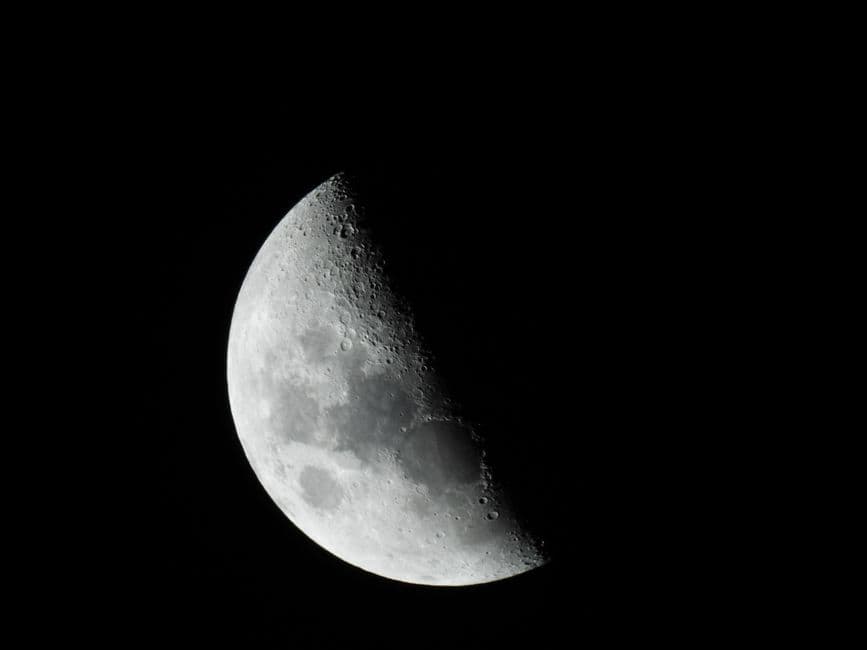
Stock photo for illustration only, not from the actual event
- NASA chief warns China might block access to lunar South Pole regions
- Competition for lunar exploration sites intensifies geopolitical tensions
- Landing site scarcity raises transparency and cooperation concerns
The global race to explore the Moon is intensifying, with top NASA leadership recently voicing serious concerns that China could potentially restrict or deny other nations access to critical areas around the lunar South Pole during future exploration missions.
The lunar South Pole has become the ultimate strategic prize for space-faring nations because it harbors subsurface water ice, which is essential for sustaining human outposts and producing rocket propellant for deep-space travel, drawing intense focus from major space agencies.

Stock photo for illustration only, not from the actual event
This growing concern highlights emerging regulatory and cooperative challenges in modern space exploration, particularly as multiple nations target the same limited resource-rich zones and operational footprints expand.
The lunar South Pole acts as an oasis for future space missions because water ice can be converted into life support resources and rocket fuel. NASA's apprehension goes beyond politics, touching directly on the feasibility and longevity of future crewed missions.
While the 1967 Outer Space Treaty prohibits any nation from claiming sovereignty over celestial bodies, practical constraints regarding landing safety zones and operational proximity could create de facto exclusion zones for competing space programs.
Source: Ars Technica
Found something wrong in this article? Report an issue with this article
Comments
Leave a Comment