

Fauxductivity: The Workplace Illusion of Being Busy
Explore Fauxductivity where employees and managers pretend to be busy to survive, revealing toxic corporate culture and broken work systems.
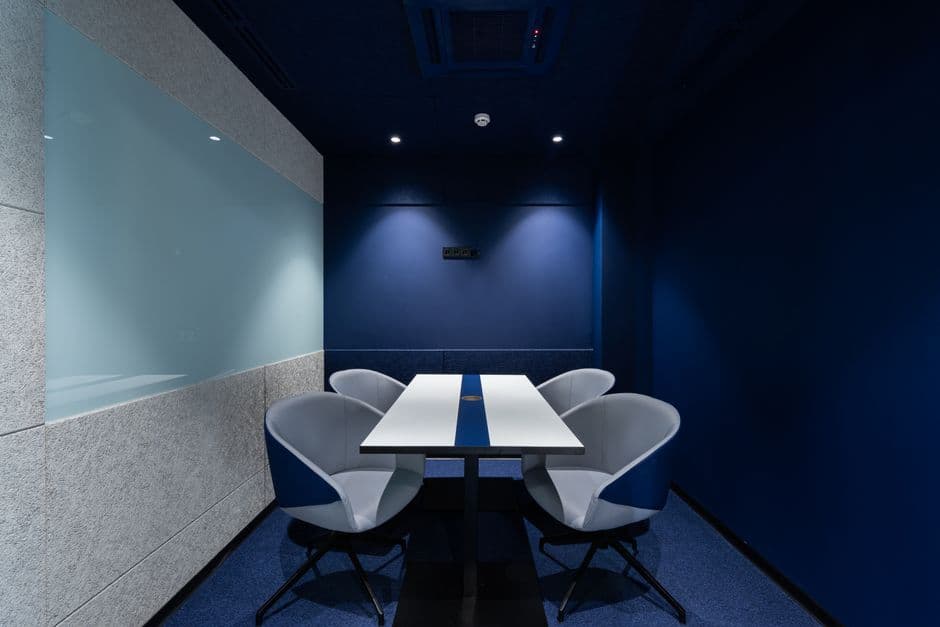
Stock photo for illustration only, not from the actual event
- Fauxductivity is the act of creating an illusion of hard work without actual output.
- Forbes data shows that managers admit to faking busyness more often than subordinates.
- Root causes include stress, high pressure, and evaluation systems focused on constant availability.
- Solutions require reshaping workplace culture and aligning clear goals.
In today's professional landscape, many individuals might have encountered colleagues or even found themselves trapped in a phenomenon known as Fauxductivity. This refers to behavior where employees put on a performance of working intensively while failing to produce any meaningful output. Common behaviors include attending unnecessary meetings, leaving work systems logged in to keep status indicators active, or constantly claiming to be overwhelmed by tasks, yet failing to point to any tangible results when asked about their daily progress.
An intriguing and surprising aspect of this issue is that it is not limited to junior employees. Data from Forbes indicates that managers themselves admit to faking busyness more frequently than their subordinates. Because supervisors engage in this behavior as well, they often harbor suspicion that their team members are also pretending to be busy, creating a vicious cycle of distrust throughout the organization.
When both leaders and staff members project an image of constant busyness, the problem transcends individual laziness, stemming instead from systemic issues and corporate culture that compel everyone to act this way. Therefore, the question companies should focus on is not micro-managing or policing staff, but rather investigating why everyone adopts such behaviors and what kind of environment forces office workers down this path.

Stock photo for illustration only, not from the actual event
The core triggers of Fauxductivity are rooted in multiple factors, ranging from accumulated stress and pressure without adequate rest or support, to overbearing monitoring software that forces employees to feel they must constantly look busy to stay safe. Complicated workflow processes also provide excuses for staff to busy themselves with trivial tasks instead of vital projects. Furthermore, strict evaluation metrics that reward constant availability over actual results push employees to stage their diligence—such as logging in exceptionally early or staying late—even when work is not progressing.
Fauxductivity highlights a fundamental failure in modern key performance indicators (KPIs). When companies value screen time over real value creation, employees adapt for survival by constructing superficial personas. This phenomenon not only squanders human resources but also severely damages mental health over the long term.
Meanwhile, evolving workplaces and digital tools play a significant role. Although new technologies speed up certain tasks, they introduce burdensome administrative chores like navigating multiple logins and security protocols. Concurrently, professional relationships have grown distant; interactions are reduced to chat messages, and virtual meetings consist of logging in and dropping off immediately. Colleagues become mere text on a screen, eroding trust and making isolation prevalent.
Nevertheless, resorting to fake busyness is never the correct solution. Shunning important duties to focus on trivial busywork for self-preservation ultimately erodes team efficiency over time. The most effective remedy requires transforming organizational culture. Executives must recognize that this reflects structural flaws in the workflow, identify the root causes, and clearly communicate how individual roles connect to the company's overarching mission so employees find genuine meaning in their tasks.
Source: Techsauce
Found something wrong in this article? Report an issue with this article
Comments
Leave a Comment