

Virgin Atlantic CEO Warns SAF Mandates May Hike Airfares
Cornel Koster stated at Skift Global Forum 2026 that rising sustainable aviation fuel mandates outpace lagging supply chains.

Stock photo for illustration only, not from the actual event
- Virgin Atlantic CEO warns rising SAF mandates outpace lagging supply.
- The U.K. launched SAF mandates starting at 2% and rising over time.
- Feedstock shortages and high costs stall sustainable fuel production.
- Warns buy-out penalties for missing fuel quotas will drive up ticket prices.
Virgin Atlantic CEO Corneel Koster addressed the industry at the Skift Global Forum in New York City, stating that increasing mandates for sustainable aviation fuel while supply continues to lag behind is an untenable situation for commercial airlines.
He emphasized that there is simply not enough sustainable aviation fuel available in the market, yet regulatory targets—particularly within the U.K.—continue to rise year after year, putting immense operational pressure on carriers trying to comply.
While airlines actively lobbied for these sustainable fuel mandates in the post-pandemic recovery period, carriers are now pushing back. They argue that strict targets cannot be met because feedstock shortages and high production costs have kept actual fuel output severely constrained.
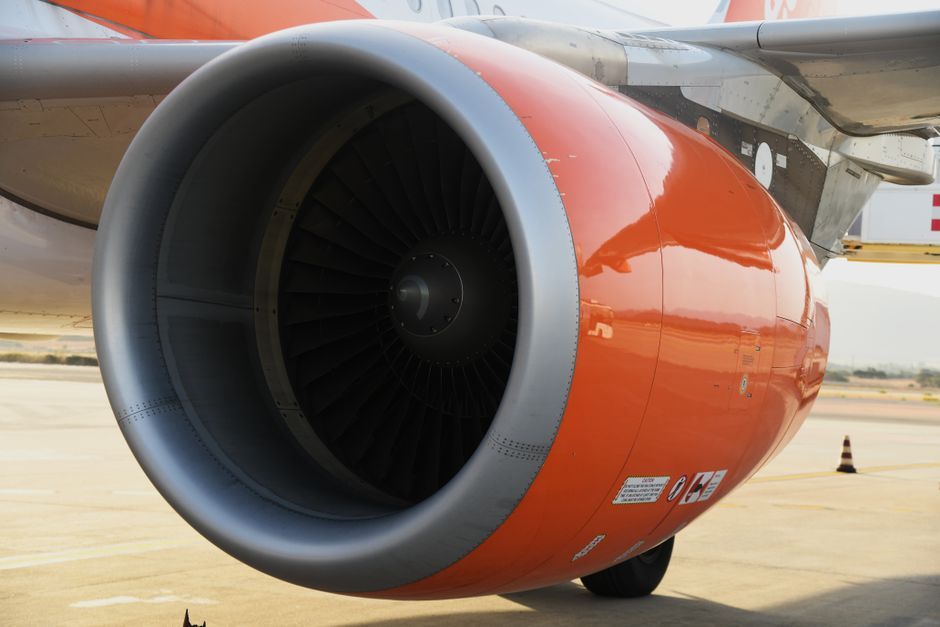
Stock photo for illustration only, not from the actual event
"There isn't enough sustainable aviation fuel, and, particularly in the U.K., the mandate is going up all the time for how much sustainable aviation fuel we use."
Cornel Koster
Support has also weakened across the Atlantic. A 2025 tax bill in the United States cut the incentive credit for sustainable aviation fuel from $1.75 down to $1.00 per gallon, further dampening momentum for scaling production capacity.
Scaling sustainable aviation fuel is critical to the aviation sector's 2050 net-zero roadmap, with IATA projecting that SAF must account for 65% of necessary emissions reductions by mid-century. However, structural supply bottlenecks and shifting government subsidies are causing the industry's timeline to slip significantly, highlighting a disconnect between climate policy and industrial reality.
Koster warned that if scarce and expensive fuel forces airlines into heavy buy-out penalties, the financial burden will inevitably fall on passengers through higher airfares without delivering any actual environmental benefit. He urged governments to provide clearer policy certainty and pragmatic flexibility.
Source: Skift
Found something wrong in this article? Report an issue with this article
Comments
Leave a Comment