

Nexterity Unveils Remote-Controlled Pipefitting Robot
Startup Nexterity, part of the Startup Battlefield 200 at TechCrunch Disrupt, has built a remote-controlled robot to automate dangerous pipefitting work.
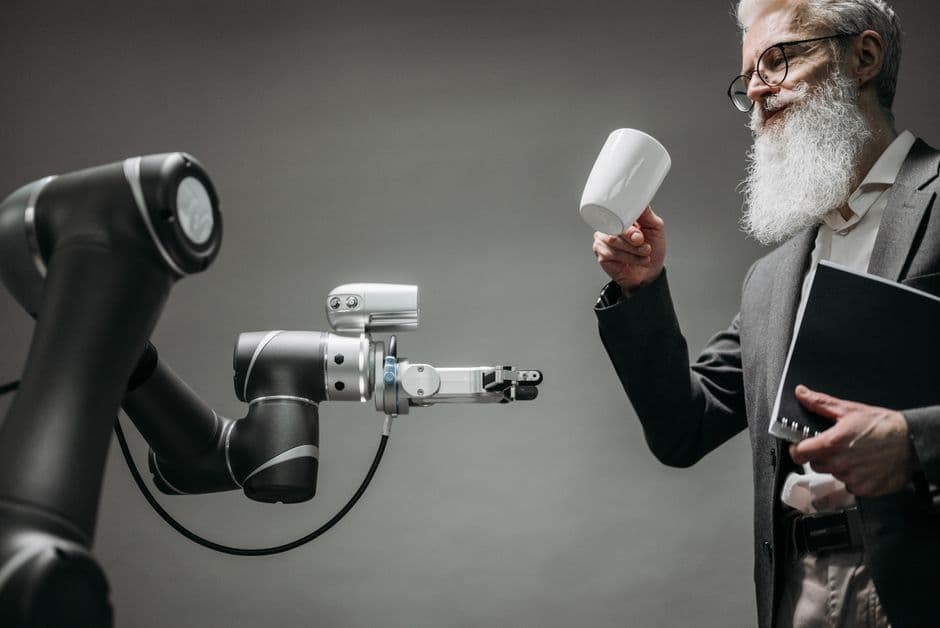
Stock photo for illustration only, not from the actual event
- Nexterity develops a remote-controlled robot for dangerous pipefitting tasks
- The innovation aims to make blue-collar workers safer and more productive
- The battery-powered robot attaches to pipes and loosens or tightens four bolts at once
- Selected as one of the Startup Battlefield 200 companies at TechCrunch Disrupt
At TechCrunch Disrupt 2026, a startup named Nexterity showcased an innovative solution designed to tackle the difficult and hazardous aspects of pipefitting. The company earned a spot among the 200 selected startups to participate in the prestigious TechCrunch Disrupt Startup Battlefield event.
The core concept behind Elliott's startup is a remote-controlled robot capable of handling the most perilous parts of the job. If adopted widely, this idea has the potential to fundamentally transform this specific blue-collar trade, rendering workers both safer and significantly more productive on the job site.
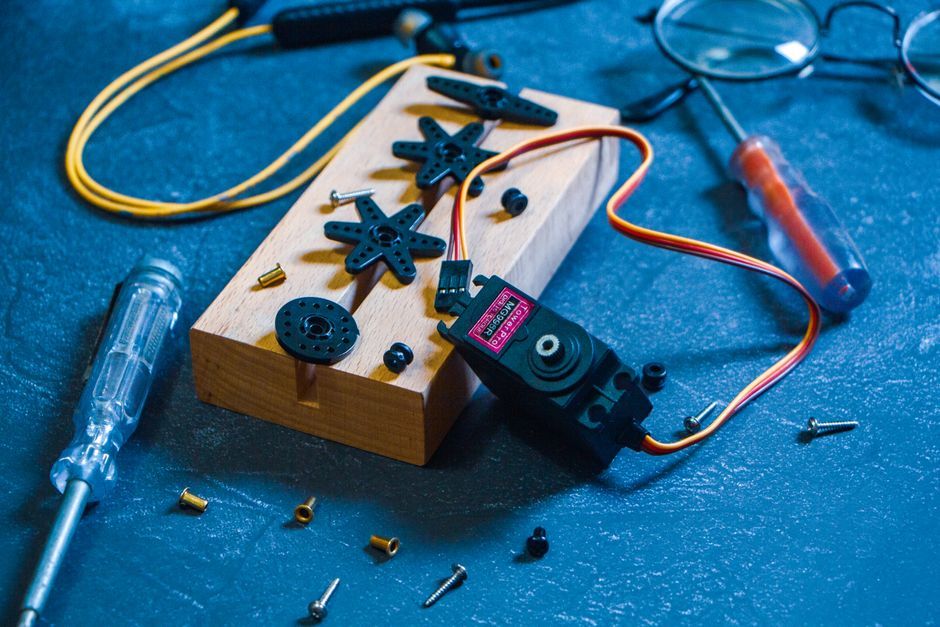
Stock photo for illustration only, not from the actual event
The hardware is engineered in two main pieces designed to fit seamlessly around a pipe. Powered by onboard batteries, the device can slide along the pipe once attached and rapidly loosen and tighten four bolts simultaneously.
Introducing robotics to traditional blue-collar trades like pipefitting highlights a broader industry shift toward automating hazardous manual labor. By targeting high-risk environments where human error can lead to severe injuries, startups like Nexterity demonstrate how focused automation can address labor shortages and safety challenges simultaneously in heavy industries.
While the overall concept appears straightforward, Elliott firmly believes that the approach holds massive upside potential for transforming traditional industrial workflows moving forward.
Source: TechCrunch
Found something wrong in this article? Report an issue with this article
Comments
Leave a Comment