

New York Asks Court to Shut Down Polymarket Gambling
New York files a lawsuit to shut down Polymarket's operations, challenging the Trump administration's attempt to override state gambling laws.
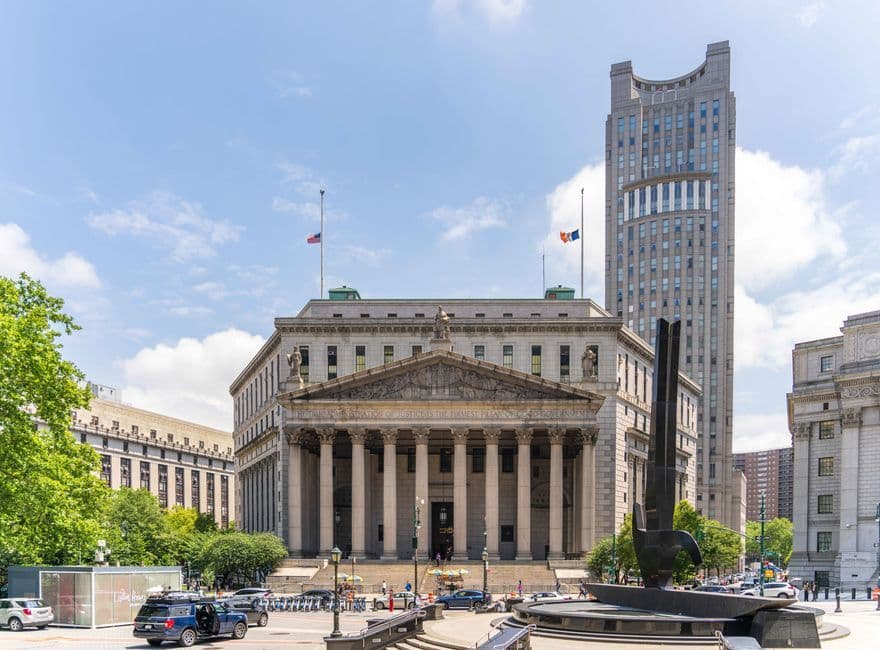
Stock photo for illustration only, not from the actual event
- New York state officially files a lawsuit asking the court to shut down Polymarket.
- The legal action directly defies efforts by the Trump administration to override state gambling laws.
- State officials argue that the platform's prediction markets constitute illegal gambling activities.
- The clash highlights an escalating power struggle between federal agendas and state-level regulations.
The New York Attorney General's office has initiated significant legal proceedings by filing a lawsuit in court, seeking a formal injunction to halt operations and shut down the prominent prediction platform Polymarket within the state's jurisdiction, citing violations of local gambling statutes.
This aggressive regulatory move unfolds amidst mounting pressure, as the administration under President Donald Trump actively attempts to supersede and override state-level gambling restrictions, paving the way for such prediction markets to operate without adhering to traditional regional constraints.

Stock photo for illustration only, not from the actual event
This legal dispute between New York and Polymarket represents a critical test case for how decentralized prediction markets intersect with existing regulatory frameworks. Because traditional U.S. gambling laws are historically governed at the state level rather than federally, rapid technological innovations often outpace outdated statutes. The outcome of this court battle will likely set a major precedent for the future of digital prediction platforms across the United States.
While proponents of the platform argue that prediction markets serve as valuable aggregators of real-world probabilities and collective intelligence, law enforcement and state regulators maintain that unvetted betting platforms function essentially as unregulated online casinos, exposing consumers to financial risks without standard state-mandated protections.
Source: Ars Technica
Found something wrong in this article? Report an issue with this article
Comments
Leave a Comment