

Welsh residents demand PCB blood tests after toxic waste
Natalie Dugdale and Welsh residents call on Public Health Wales for voluntary blood tests after Monsanto's toxic PCBs contaminated local areas.
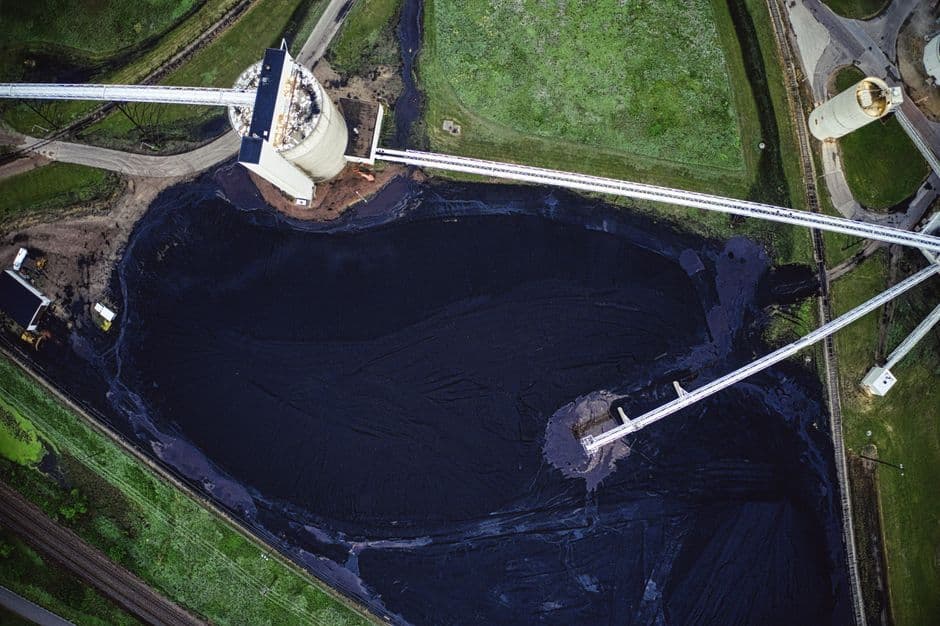
Stock photo for illustration only, not from the actual event
- Welsh residents form a campaign group over toxic PCB contamination in lagoons.
- Natalie Dugdale and locals demand nationwide soil and voluntary blood testing.
- Public Health Wales rejects blood tests, arguing it would cause unnecessary worry.
- Michael Sheen's documentary uncovers high toxic levels in soil and blood samples.
When Natalie Dugdale moved to the countryside in northern Wales two years ago, she envisioned a pristine environment to raise her family. Residing near a local lagoon, she frequently walked her baby, toddler, and dogs along public footpaths, unaware of the hidden environmental hazards lurking right beneath her feet.
Her perspective shifted dramatically after watching Michael Sheen's BBC documentary, which exposed the lagoon's dark history as a dumping ground for cancer-causing chemicals known as PCBs. Consequently, Dugdale joined a growing collective of concerned residents petitioning for voluntary blood testing across Wales to assess potential toxic exposure.

Stock photo for illustration only, not from the actual event
Public Health Wales has officially stated it does not recommend routine blood screening for PCBs, maintaining that such testing would fail to pinpoint exposure sources and risk causing undue panic among residents. The controversy centers around the Llwyneinion lagoon near Wrexham, which was recently labeled a national embarrassment following revelations that US chemical giant Monsanto operated manufacturing plants in Wrexham and Newport.
Michael Phillips, who spent his childhood playing around the contaminated lagoon, developed a rare shoulder cancer decades later and reported that nearly all his childhood peers from the area had passed away from similar rare malignancies. Soil samples gathered by Sheen's documentary team revealed elevated toxin levels in public zones adjacent to the fenced lagoon, alongside 13 other suspected dumping locations across the region.
"I was really upset because having young children, what are they being exposed to?"
Natalie Dugdale
Private testing commissioned for the documentary also detected very high concentrations of PCBs in Michael Phillips' bloodstream. These banned substances, historically valued for their non-flammable and durable characteristics, are now recognized among the most persistent forever chemicals threatening global ecosystems and human well-being.
Polychlorinated Biphenyls (PCBs) represent persistent organic pollutants heavily regulated and banned globally due to their bioaccumulative nature and severe health risks, including potential carcinogenicity. This campaign highlights the ongoing tensions between affected communities demanding transparency and public health institutions balancing clinical guidelines with the psychological challenges of untreatable historical exposures.
Source: BBC Science & Environment
Found something wrong in this article? Report an issue with this article
Comments
Leave a Comment