

Elephants use medicinal plants to treat themselves
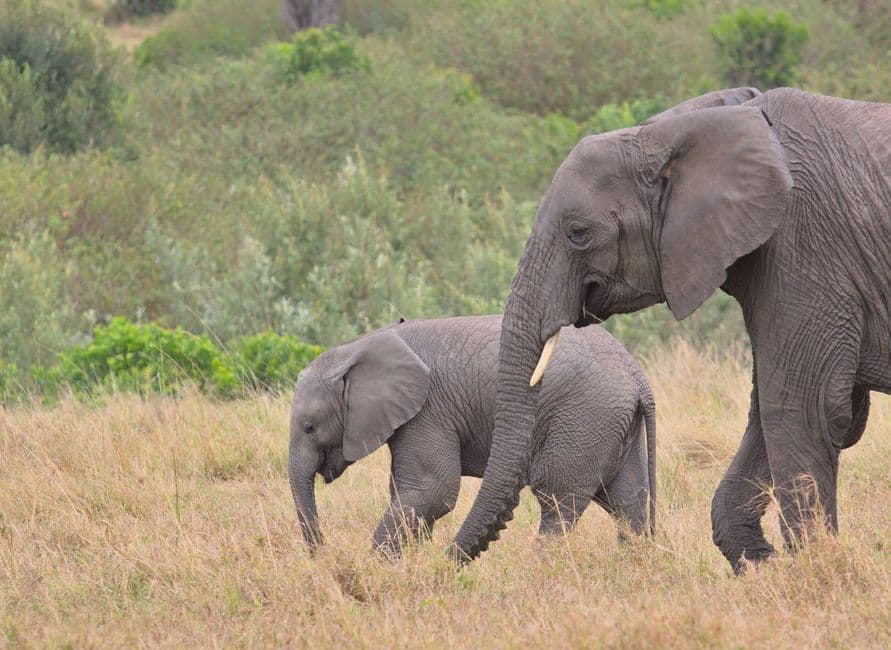
A study reveals that wild elephants in Kenya consume over 35 plant species for medicine, with mothers even feeding herbal mixtures to their calves.
Stock photo for illustration only, not from the actual event
- Researchers discover wild elephants use over 35 plant species
- Local experts report mothers sharing medicinal plants with calves
- Certain forest plants are used to treat ailments like stomach aches
- The study was published in the journal Scientific Reports
A recent study concludes that African elephants use dozens of medicinal plants to treat illnesses in themselves and their families, based on interviews with people living and working alongside elephants in the Mount Elgon region of Kenya.
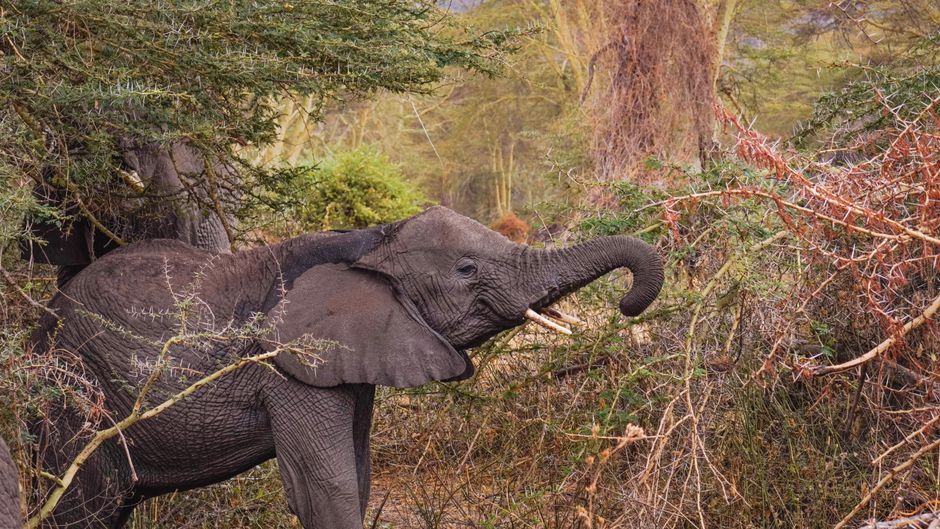
These animals have long fascinated scientists due to their salt-mining behavior, where they scrape cave rocks with their tusks for essential minerals. However, newly published research indicates these same forest-dwelling elephants utilize various plants for medicinal purposes.
Dr. Elodie Freymann from Brown University in the US, a lead researcher, stated that the study raises questions about how forest destruction deprives both animals and humans of essential medicines needed to thrive.
Stock photo for illustration only, not from the actual event
Scientists collaborated with the Mount Elgon Foundation conservation charity to interview local wildlife scouts and community elders. Accounts described elephants selecting specific plants when unwell and mothers administering medicinal plant materials to their young.
"This shows just how entangled our medicines are with the non-human world."
Dr. Elodie Freymann
A wildlife scout recounted seeing elephants use a plant named Angurweet as medicine for babies. The scout observed mother elephants chewing the leaves and roots until smooth, mixing the material with their milk, and giving it to the calves to chew and spit out solids.
Self-medication in wildlife is not exclusive to elephants; it has been documented across various species from insects to great apes. Observing these natural behaviors provides researchers with invaluable clues for discovering novel compounds and treatments from nature, bridging wild animal instincts with human pharmaceutical development.
Professor Michael Huffman, a primatologist at Nagasaki University in Japan, noted that the account is intriguing, though further evidence is required to prove bespoke medical treatment for calves. Researchers are now equipping local experts with cameras and analyzing the plant compounds for potential new medicines.
Source: BBC Science & Environment
Found something wrong in this article? Report an issue with this article
Comments
Leave a Comment