

Waymo is scaling fast: Here’s what the fleet data shows
Waymo operates in 15 US cities with 500,000 weekly rides, as fleet data reveals heavy concentration in California and Texas.
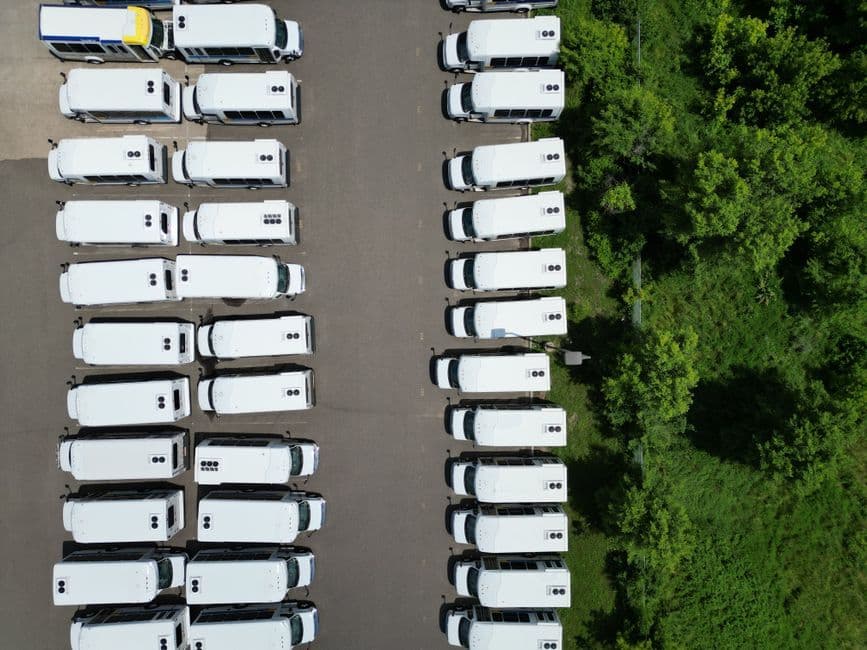
Stock photo for illustration only, not from the actual event
- Waymo now operates commercial robotaxi services in 15 U.S. cities.
- Weekly ridership has surged to an average of 500,000 paid rides.
- Roughly 80% of its 4,000 robotaxis are concentrated in California and Texas.
- Texas fleet grew by nearly half over a recent three-week period.
Waymo's commercial robotaxi expansion has grown rapidly across geographic reach and ridership. In September 2024, the company operated in just three cities—Phoenix, Los Angeles, and San Francisco. Today, it offers service in 15 U.S. cities, achieving an average of 500,000 paid robotaxi rides every week.
A closer analysis of the fleet, however, reveals a strong concentration in just two states. Approximately 80% of Waymo's roughly 4,000 robotaxis operate in California and Texas, with Texas emerging as the primary growth engine driven by recent fleet additions.
Waymo's strategic focus on California and Texas highlights its approach of targeting early tech-adopter populations and supportive regulatory environments. While California serves as its historic Silicon Valley testing ground, Texas offers fast-growing urban markets and favorable frameworks that allow the company to scale commercial operations rapidly through partnerships like Uber.

Stock photo for illustration only, not from the actual event
According to state vehicle registrations and data from the Texas Autonomous Vehicle Fleet Tracker, Waymo's Texas fleet increased by 49% over a three-week span. By September 24, the company had 1,102 autonomous vehicles registered in the state, following its Austin launch with Uber in March 2025 and subsequent expansion into Dallas, Houston, and San Antonio.
The recent surge in Texas was fueled by an influx of new Ojai minivans, which now account for about a third of the state's fleet. Equipped with Waymo's sixth-generation self-driving system and Google's Gemini AI assistant, the Ojai is built on a shared platform by Zeekr, a brand owned by China's Geely Holding Group, before being outfitted at Waymo's Arizona facility.
"Waymo is on track to bring 5,100 of the vehicles into the U.S. by the end of the year, according to New York-based research firm MoffettNathanson."
MoffettNathanson
Despite facing steep U.S. import tariffs on Chinese-built vehicles that drive up costs, Waymo is absorbing the expense to scale operations. New York-based research firm MoffettNathanson reports that Waymo is on track to import 5,100 Ojai vehicles by the end of the year, with future deployments expected in Florida and Las Vegas.
Source: TechCrunch
Found something wrong in this article? Report an issue with this article
Comments
Leave a Comment