

Treadmills to deadlifts: Why Gen Z are swapping cardio
Explore how UK Gen Z is shifting from treadmills to strength training, driven by community gyms and changing fitness spending priorities.
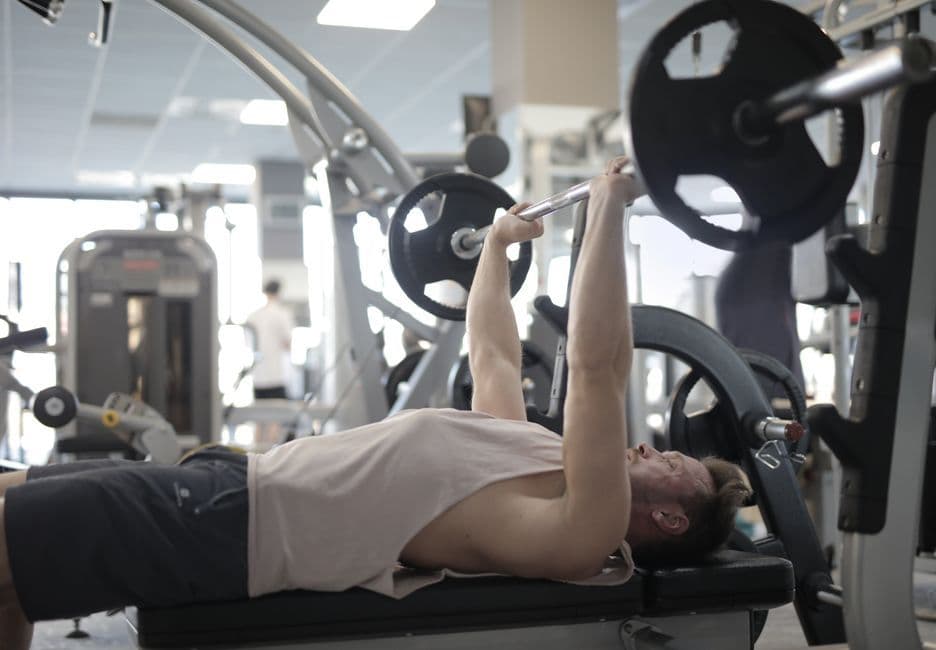
Stock photo for illustration only, not from the actual event
- Young adults and Gen Z across the UK are increasingly favoring strength and hybrid training over cardio.
- Sport England notes more young people using gym equipment and weights compared to nine years ago.
- Gym memberships rank as a top spending priority, surpassing dining out for ages 16-34.
- Social fitness and community clubs provide essential human connection for remote workers.
When Antonia Duffin, 34, started visiting the gym, her initial goals were weight loss and body toning. The routine became such a vital part of her life that she balanced a day job in operations for a supermarket chain with qualifying as a personal trainer, eventually opening her own women's gym in Manchester. She notes that her clients seek various benefits, ranging from enhanced physical strength and pregnancy preparation to managing conditions like endometriosis.
Hybrid training formats, such as Hyrox, which emphasize social engagement and competition, appear to be replacing traditional treadmill runs and stationary bike sessions. Data from Sport England confirms that a higher proportion of young adults are utilizing gym facilities, exercise machines, and weights to stay fit compared to nine years ago.
Dr. Andrew Scott, an exercise expert from the University of Portsmouth, explains that contemporary gyms provide broader exercise categories like resistance training, which accelerates body composition changes more effectively than aerobic routines. Meanwhile, 19-year-old student Will Seward began visiting secondary school gyms to build strength and physique, currently maintaining a schedule of three weekly sessions focused on explosive weightlifting using barbells, kettlebells, and cable machines.
The generational migration from cardio machines to heavy weights highlights a shift in fitness objectives from simple calorie burning toward long-term functional strength, metabolic health, and peer community building. This trend heavily intersects with modern remote work patterns, driving young professionals to seek physical and social hubs within their local neighborhoods.
Recent studies suggest that adhering to the recommended two hours of weekly strength training yields many comparable benefits to aerobic workouts, including lowered risks of heart disease and stroke, brain protection, and elevated self-esteem. Additionally, questionnaire data from Our Future Health reveals that younger demographics engage more frequently in short bursts of vigorous weekly activities like fitness classes and aerobics.
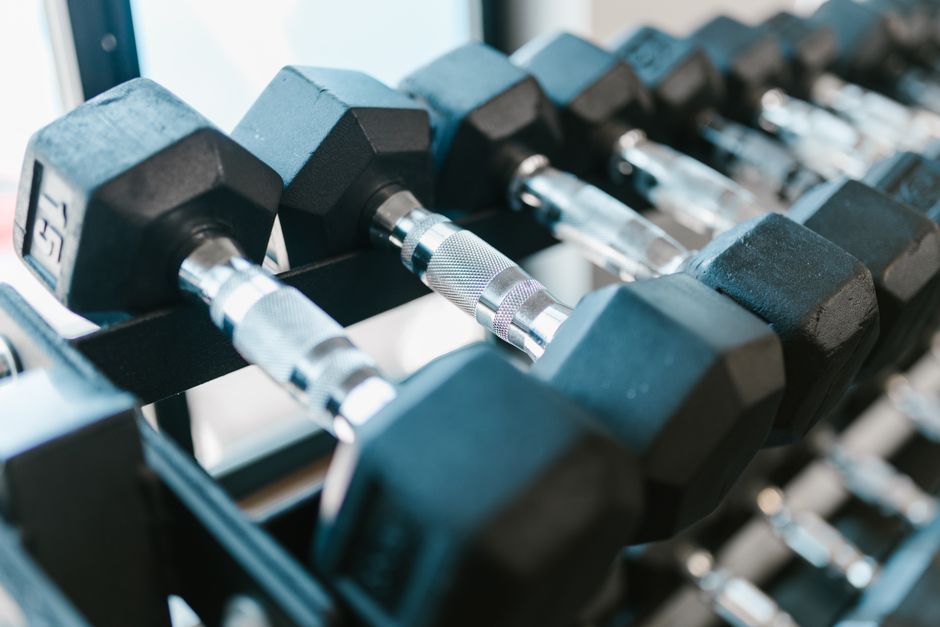
Stock photo for illustration only, not from the actual event
Although standalone running has experienced an overall decline, it remains the leading exercise choice for young men and women. Organized community running continues to flourish, with participants spanning children to adults over 50 joining free parkruns across more than 1,400 weekly UK locations. Professor Esther van Sluijs from Loughborough University emphasizes that localized community exercise offers crucial social connection, particularly for remote workers.
"Persuading people to exercise is about making it the easy, social and enjoyable thing to do, even if it costs."
Dr. Hussain Al-Zubaidi
Regarding financial commitments amidst tight budgeting, data from UK Active shows that over a quarter of 16 to 34-year-olds prioritize gym memberships above holidays and restaurant dining, rising from a fifth in 2024. Furthermore, a 2026 survey conducted by the Gym Group indicated that one-third of Gen Z allocate between £26 and £50 monthly for health and fitness, while a quarter spend over £50.
Cordelia Sheridan, a 27-year-old events manager exercising four to five times weekly at a Battersea gym, treats her £45 monthly membership as an essential utility bill, appreciating her five-minute walking commute that facilitates early morning workouts.
Source: BBC Health
Found something wrong in this article? Report an issue with this article
Comments
Leave a Comment