

The Flâneur and the Birth of the Modern Urban Spectator
Explore how 19th-century Parisian arcades and boulevards shaped urban wandering, consumer culture, and the modern spectator.
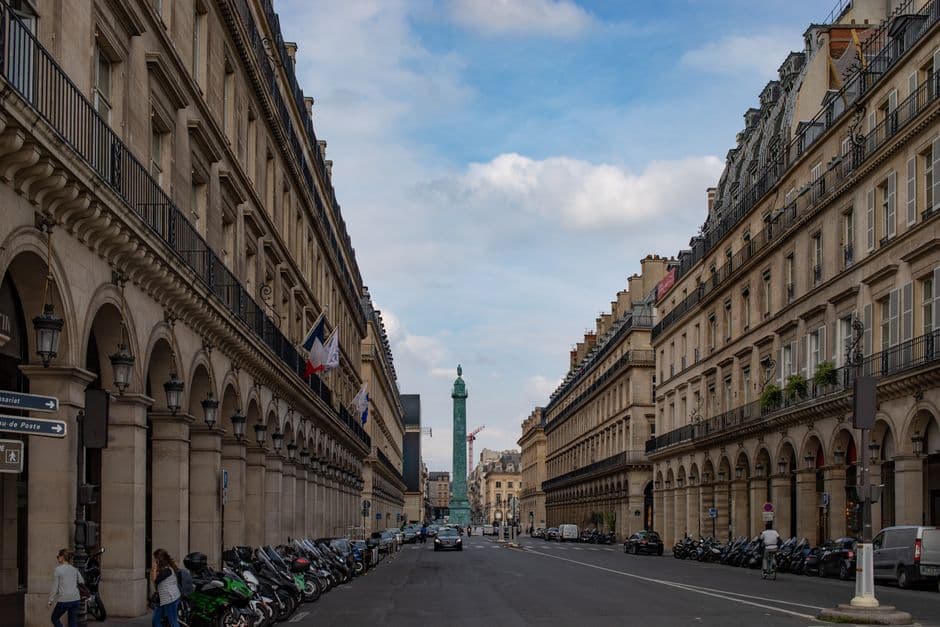
Stock photo for illustration only, not from the actual event
- Covered arcades and grand Parisian boulevards transformed city walking habits
- The flâneur embodies the intersection between urban wandering and consumer culture
- Modern media and technology expanded city observation far beyond physical streets
During the transformation of Paris under Georges-Eugène Haussmann in the mid-19th century, wider streets and sweeping vistas fundamentally altered how people navigated and perceived the city. Boulevards emerged as active stages where everyday life, traffic, and architecture unfolded before onlookers. Simultaneously, the rise of the department store bridged the gap between leisurely strolling and shopping, utilizing shop windows to invite pedestrians to pause and imagine narratives around displayed commodities.
Structures like Passage des Panoramas and Galerie Vivienne created transitional spaces between the street and indoor commerce, offering pedestrians pathways without requiring a fixed destination. These architectural designs naturally directed attention toward shopfronts, fellow pedestrians, and the intricate details of surrounding buildings, establishing a new rhythm for urban foot traffic.
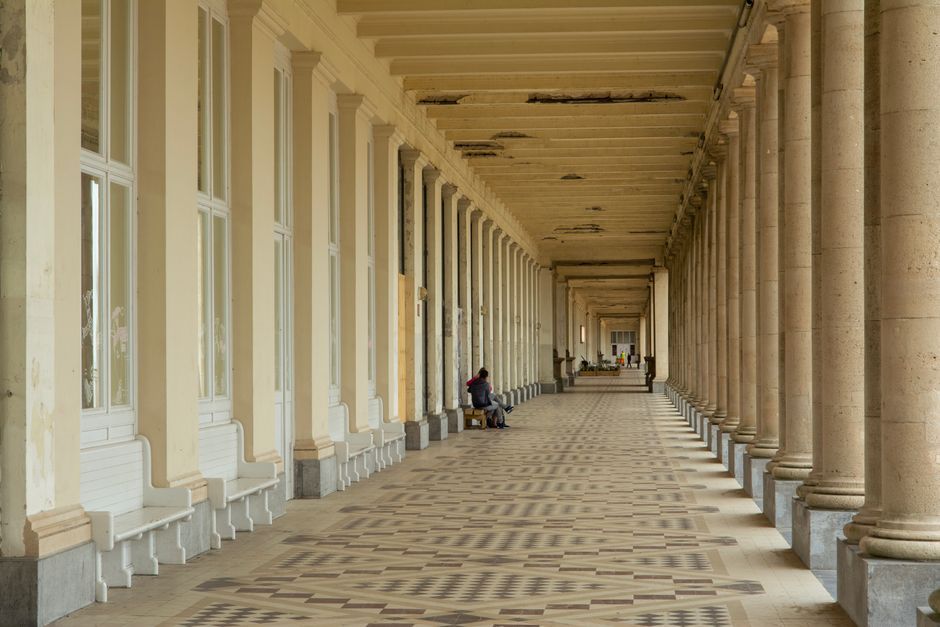
Stock photo for illustration only, not from the actual event
Amidst this growing matrix of crowds, displays, and visual stimuli, the figure of the flâneur took shape as a distinct type of urban observer. Moving through the city unhurriedly, this wanderer utilized spatial freedom as a method to closely observe and interpret the shifting fabric of daily life unfolding around them.
"To look at the modern city is also to encounter a system designed to attract attention, desire, and consumption..."
Walter Benjamin
The concept of the flâneur offers critical insight into how urban design intentionally shapes human attention and behavior. Beyond historical Parisian streets, this early framework helps us understand how built environments turn everyday movement into spectatorship—a dynamic that now extends seamlessly into digital screens and media-saturated modern environments.
As the 20th century progressed, the link between urban space and spectatorship transcended physical streets through cinema, photography, illuminated signage, and mass media. Urban experiences became mediated through representation, allowing individuals to encounter city imagery without physical wandering. Boulevards and arcades established the foundational logic uniting commerce, movement, and visual attention, which modern technology subsequently scaled across vast distances.
Ultimately, the flâneur persists not merely as a historical 19th-century relic, but as an early prototype of the modern spectator. As commercialism, media, and digital architecture continue to redefine urban environments, contemporary pedestrians remain caught between passive observation and active participation in an ever-present urban spectacle.
Source: designboom
Found something wrong in this article? Report an issue with this article
Comments
Leave a Comment