

UK dairy farmers lose 240M litres of milk in heatwave
ECIU reports dairy farmers in England and Wales delivered 240 million fewer litres of milk, facing over £83 million in losses amid extreme heat.
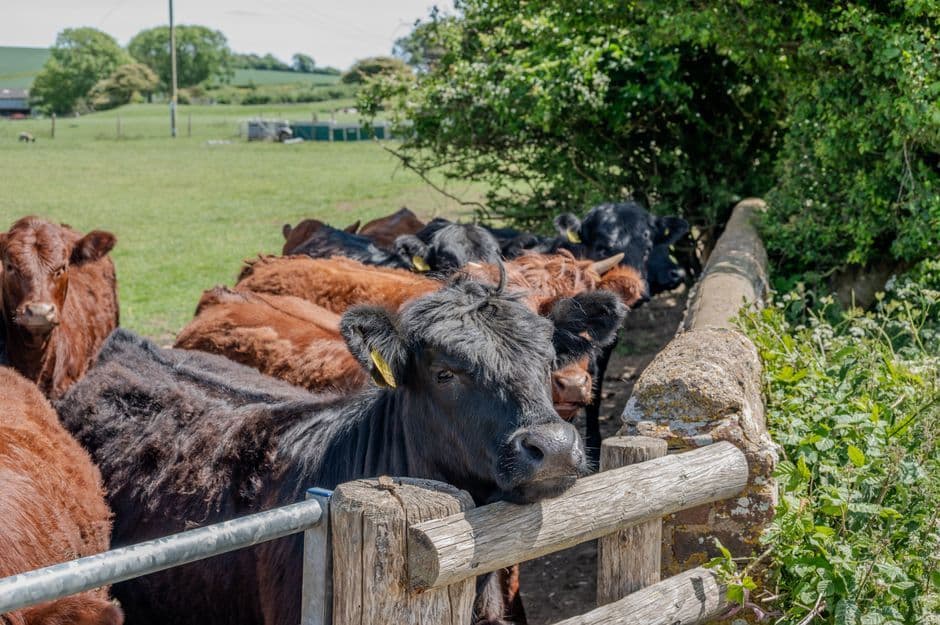
Stock photo for illustration only, not from the actual event
- Dairy farmers in England and Wales delivered 240 million fewer litres of milk between May and August 2026.
- Total losses surpassed £83 million, enough to fill over one billion school milk cartons.
- Severe heat and drought forced many farmers to resort to winter feed supplies early.
Extreme summer temperatures across the UK have dealt a severe blow to the agricultural sector, with researchers revealing that dairy farmers delivered significantly less milk than anticipated. According to data from the Energy and Climate Intelligence Unit (ECIU), farmers fell short by 240 million litres, equating to four full days of lost milk supply between May and August.
Scorching weather conditions created poor grazing pastures, stunted harvests, and induced severe heat stress in livestock across England and Wales. The mounting pressure has driven numerous farmers, including Debbie Wilkins, a dairy and beef producer in Gloucestershire, to begin feeding their cattle winter rations well ahead of schedule.
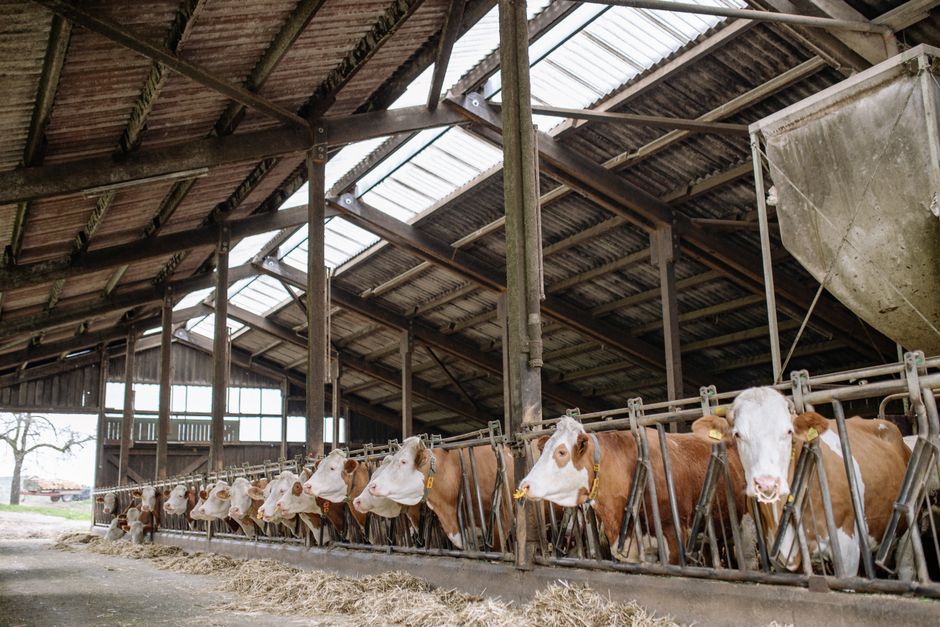
Stock photo for illustration only, not from the actual event
Reflecting on the mounting difficulties, Debbie Wilkins explained that operational expenses escalate rapidly when cattle must be sheltered indoors, while the simultaneous drop in milk yields compounds the financial strain. The ECIU estimates that the overall value of the lost milk exceeds £83 million, representing a volume large enough to fill upwards of one billion school milk cartons.
This agricultural setback follows the UK's hottest summer on record in 2026, which featured five intense heatwaves and official drought declarations. Despite the steep drop in summer output, the ECIU noted that total UK milk production for 2026 could still approach near-record levels. This resilience is attributed to strong production buffers built up by farmers earlier in the year, which partially offset the summer deficits.
"The costs pile up when you have to bring the cows indoors and the loss of milk production compounds the issue."
Debbie Wilkins, Gloucestershire dairy and beef farmer
This agricultural crisis highlights the deep vulnerabilities within food supply chains under accelerating climate change pressures. Raw milk remains an exceptionally unforgiving agricultural product because it cannot be stockpiled or stored long-term like grain. Consequently, implementing resilience measures such as expanding shaded areas, planting trees, and securing robust water supplies is no longer optional for farmers; it is an urgent structural necessity supported by policy to survive increasingly frequent extreme weather events.
Tom Cantillon, a senior analyst at the ECIU, warned that future heatwaves will become progressively harder to recover from, emphasizing that milk is an unforgiving commodity that cannot be stockpiled. He noted that experiencing a second consecutive poor year for grass growth has forced producers into their winter forage early, with feed prices expected to surge. Cantillon stressed that farmers require targeted assistance to deploy climate resilience measures, including increased shade, trees, and water access.
Source: BBC Business
Found something wrong in this article? Report an issue with this article
Comments
Leave a Comment