

Tesla's Optimus robot still requires human assembly
Tesla faces production hurdles with its V3 Optimus robot as hands and forearms require human workers to manually assemble over 100 small components.
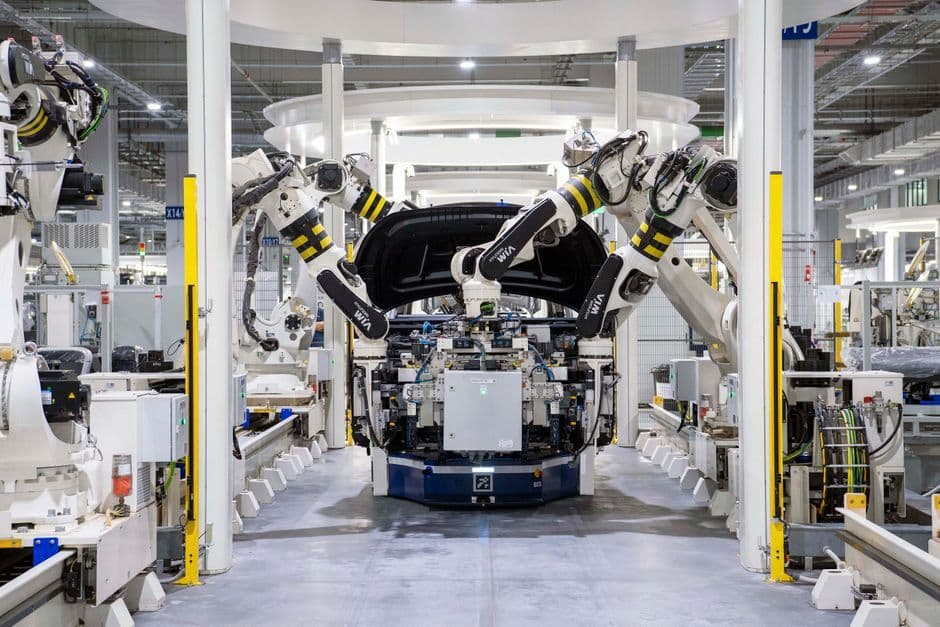
Stock photo for illustration only, not from the actual event
- Tesla is encountering manufacturing bottlenecks while trying to scale Optimus production
- The V3 robot hands and forearms contain over 100 parts requiring manual human assembly
- Tesla repurposed Model S and Model X assembly lines for the humanoid robot project
- Elon Musk previously touted Optimus as potentially Tesla's biggest product ever
Tesla's humanoid robot, Optimus, is currently navigating manufacturing growing pains as reports indicate the machine still relies on human workers to manually assemble its hands.
Earlier this year, Tesla repurposed parts of its Model S and Model X production lines to manufacture Optimus, achieving an output of several hundred robots a week last month. However, this strategy has triggered several manufacturing snags related to component precision.
The manufacturing challenges stem from the fact that the production lines are entirely new, and Optimus parts are significantly smaller than automotive components, requiring far tighter alignment tolerances. Specifically, the V3 robots currently in production feature hands and forearms with more than 100 screws and small components that necessitate manual worker assembly.
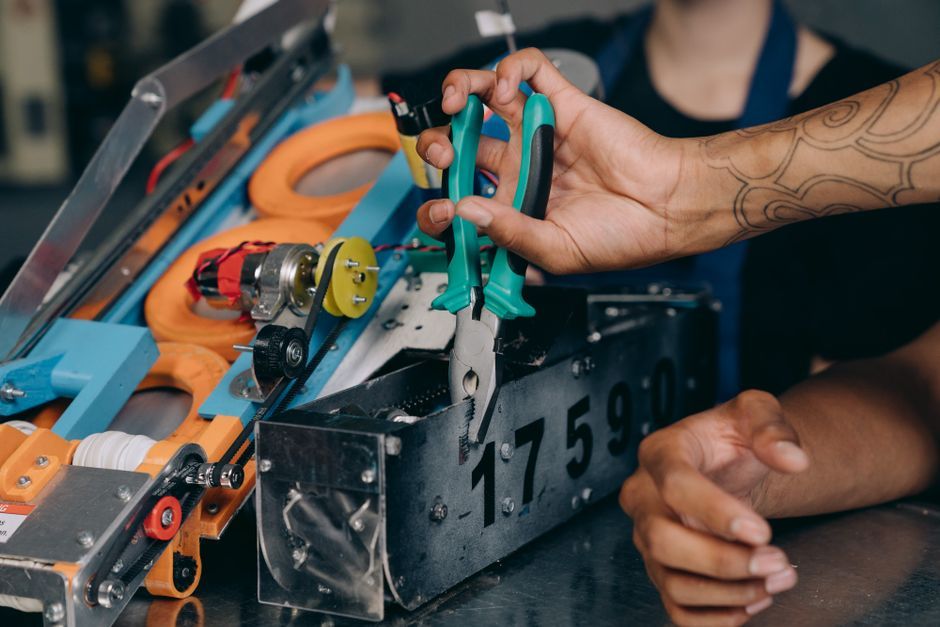
Stock photo for illustration only, not from the actual event
Although these newer robots are lighter and feature additional cameras compared to previous iterations, they currently lack a sensing glove under development. This upcoming feature aims to improve durability by simplifying the replacement of touch sensors without swapping out the entire hand assembly.
The difficulties Tesla faces highlight the inherent complexities of mass-producing dexterous humanoid robotics. While industrial automation excels at repetitive automotive tasks, intricate assembly processes such as robotic hands with human-like dexterity continue to present significant engineering hurdles, demonstrating why full automation of delicate components remains an ongoing challenge even for advanced tech firms.
Despite bold promises from CEO Elon Musk—who once claimed Optimus will be Tesla's biggest product of all time—the robots are currently utilized strictly for internal, specific tasks in limited areas rather than general deployment. Tesla reportedly intends to initially lease the robots rather than sell them to gather vital training data.
Source: The Verge
Found something wrong in this article? Report an issue with this article
Comments
Leave a Comment