

Papua's 'eternal snow' on tropical island to vanish in two years
Glaciers on Puncak Jaya in Papua, Indonesia, have shrunk to 16 hectares and are expected to disappear entirely in 1-2 years, destroying indigenous heritage.
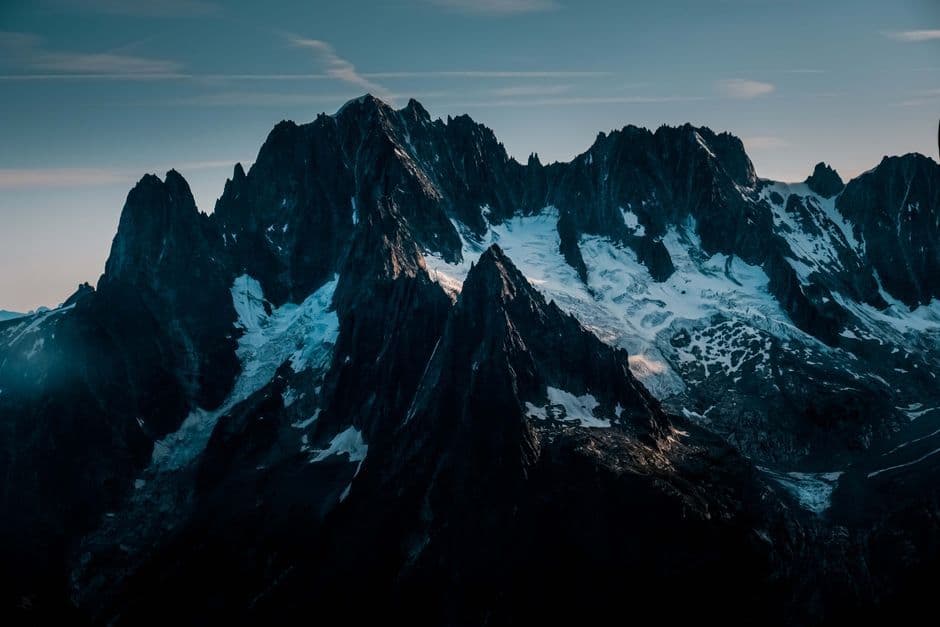
Stock photo for illustration only, not from the actual event
- Glaciers in Indonesia's Sudirman Range have shrunk from nearly 1,900 hectares to just 16 hectares.
- The last tropical ice between the Andes and Himalayas is projected to melt completely in 1 to 2 years.
- Mount Puncak Jaya serves as the spiritual center of the universe for at least five Indigenous Papuan groups.
- Extractive industrial mining projects have drastically transformed the surrounding landscape and communities.
The Papua region on the world's second-largest island, situated just north of Australia, is losing a monumental natural wonder. A century ago, the 300km (190-mile) stretch of the Sudirman Range featured snow and permanent ice across all four of its major peaks. Today, however, only small patches remain around Puncak Jaya, also known as Carstensz Pyramid, and these are projected to vanish entirely within a year or two.
Glacier cover surrounding the peak has plummeted from nearly 1,900 hectares (4,700 acres) in the 19th Century to roughly 16 hectares (40 acres) today. This retreat has occurred so rapidly that entire glaciers have disappeared within a single human lifetime. Researchers emphasize that Papua's tropical glaciers are entirely unique because they are isolated from other glacial systems by thousands of kilometers, representing the "last remaining tropical ice" nestled between the Andes and the Himalayas.
The contraction of these glaciers is propelled by the exact same forces driving ice loss worldwide, notes scientist Marie Šabacká. Human-driven atmospheric warming, fueled by the combustion of fossil fuels like coal, oil, and gas, is the primary culprit. As temperatures rise, the freezing level climbs higher up the mountains, causing more precipitation to fall as rain rather than snow, even in areas that historically experienced regular snowfall. Furthermore, El Niño events accelerate this process, while local variables such as cloud cover, snowfall amounts, and mountain topography dictate the speed of the melt.
"I often describe it as pulling out the roots of a tree. Once the roots are removed, the tree loses its foundation."
Adolfina Kum
The mountains in Papua sit merely 450km (280 miles) south of the equator, where Šabacká explains that "permanent ice can survive only at very high altitudes and within a narrow range of climatic conditions." Even a minor increase in temperatures, a higher freezing altitude, or a shift from snow to rainfall can dictate whether a glacier manages to survive at all.
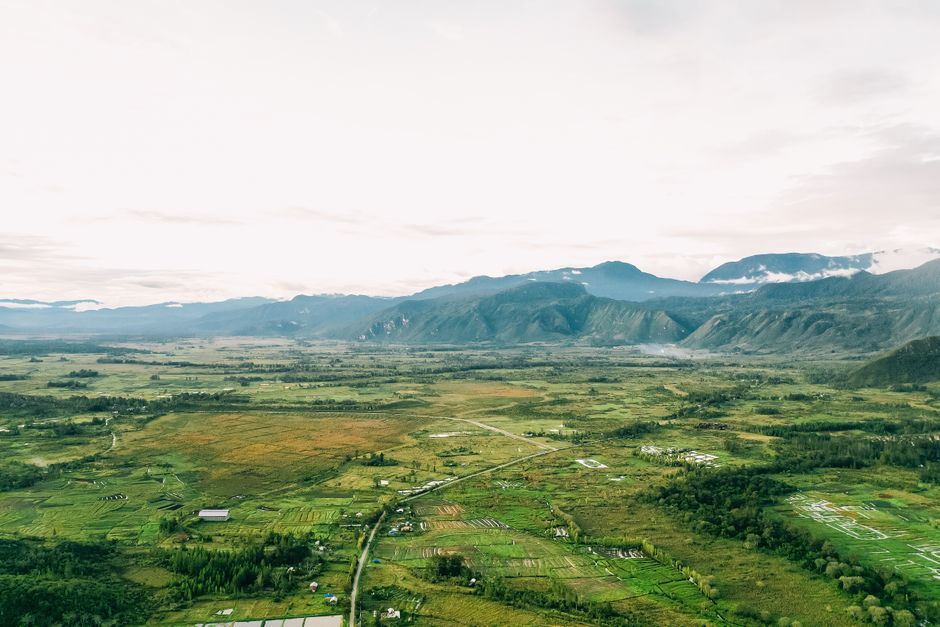
Stock photo for illustration only, not from the actual event
The disappearance of Papua's glaciers carries profound implications beyond physical environmental loss; it abruptly halts scientific exploration into Earth's climate history. Ice cores harvested from these slopes preserve delicate records of atmospheric conditions and the tropical Pacific warm pool—the planet's warmest ocean waters surrounding the island. Losing this frozen archive before researchers can fully analyze it represents an irreplaceable blow to climate science and our understanding of planetary systems.
Beyond the scientific tragedy, the peaks hold immense spiritual importance for at least five Indigenous groups who have maintained ancestral ties for generations. The Moni people call the mountain Mbainggela, believing their ancestors watch over it, while the Amungme people know the range as Nemangkawi, or the "White Arrow," which symbolizes how humans ought to live. Adolfina Kum, an Amungme environmental activist, underscores how vital the peak is to her community and how cultural foundations risk shattering as the ice melts away.
This ecological crisis does not exist in a vacuum. During the 20th century, the discovery of massive copper and gold deposits reshaped the region, paving the way for extractive industrial projects that altered the landscape. Entire mountain faces were excavated, while roads, industrial infrastructure, and settlements transformed the valleys. While locals acknowledge that development brought jobs, infrastructure, and education, it also ushered in severe environmental degradation and decades of social conflict. The BBC has reached out to Freeport, operator of the Grasberg mine—one of the world's largest gold and copper operations—for comment.
Source: BBC Science & Environment
Found something wrong in this article? Report an issue with this article
Comments
Leave a Comment