

Mount Olympus Becomes a UNESCO Site, But Manages Tourism Surge
After a 12-year campaign, Mount Olympus is officially a UNESCO World Heritage mixed site, bringing economic boosts alongside environmental concerns.
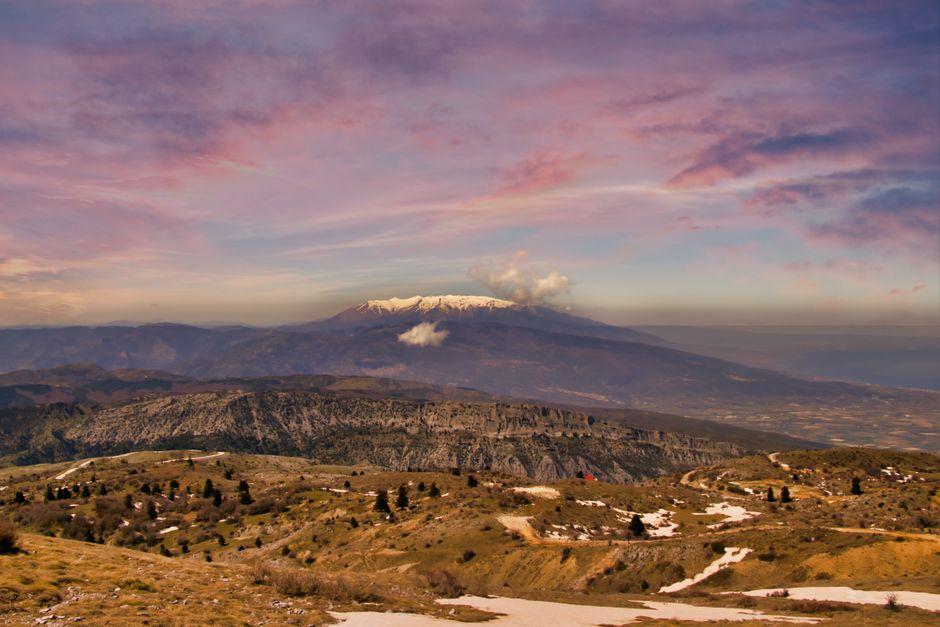
Stock photo for illustration only, not from the actual event
- Mount Olympus earned UNESCO World Heritage status as a mixed cultural and natural site.
- A new 20-to-30-year management plan proposes trail fixes and €2–€5 entrance fees.
- The site already draws roughly 500,000 visitors annually, raising congestion worries.
- UNESCO financial aid is minimal, meaning local funding relies on national and EU budgets.
Following a 12-year campaign, Mount Olympus and its surrounding region have been officially inscribed as a UNESCO World Heritage Site. Recognized as a mixed site for both its profound cultural significance and exceptional natural value, the designation marks a major milestone for Greece's highest peak and the mythological home of the ancient gods.
The wider area has won praise for its rich biodiversity, housing numerous rare and endangered species nurtured by diverse terrain, climates, and vegetation shaped by elevation and proximity to the sea. Tour operators have warmly welcomed the international recognition as a powerful catalyst for tourism and economic growth, though they immediately urged caution regarding environmental protection.

Stock photo for illustration only, not from the actual event
Industry figures point out that unmanaged tourist interest could severely degrade the delicate ecosystem. Statistics show the destination already attracts approximately 500,000 visitors every year, a large portion of whom are casual sightseers rather than hikers, resulting in notable congestion and environmental pressure.
To address these emerging pressures, authorities have introduced a comprehensive 20-to-30-year management roadmap featuring several core initiatives:
- Restoring and expanding hiking trails across the mountain
- Improving visitor facilities and overall accessibility
- Conducting carrying-capacity studies to limit overcrowding
- Enhancing training programs for local guides
- Implementing potential entrance fees ranging from €2 to €5
- Deploying tech-driven monitoring for climate, encroachment, and wildfire risks
Achieving UNESCO status is a major triumph for heritage preservation, but it frequently triggers severe management hurdles related to overtourism. Because the global World Heritage Fund allocates only about $3 million annually worldwide, site managers cannot rely solely on international grants. Balancing visitor numbers with strict conservation mandates requires robust local revenue generation, such as entrance fees and strong regional governance.
Source: Skift
Found something wrong in this article? Report an issue with this article
Comments
Leave a Comment