

Microsoft Overhauls Copilot with Home, Code, and Autopilot
Microsoft introduces the new Copilot featuring Home, Code, and Autopilot at a Frontier customer event, unveiled by CEO Satya Nadella and Jacob Andreou.
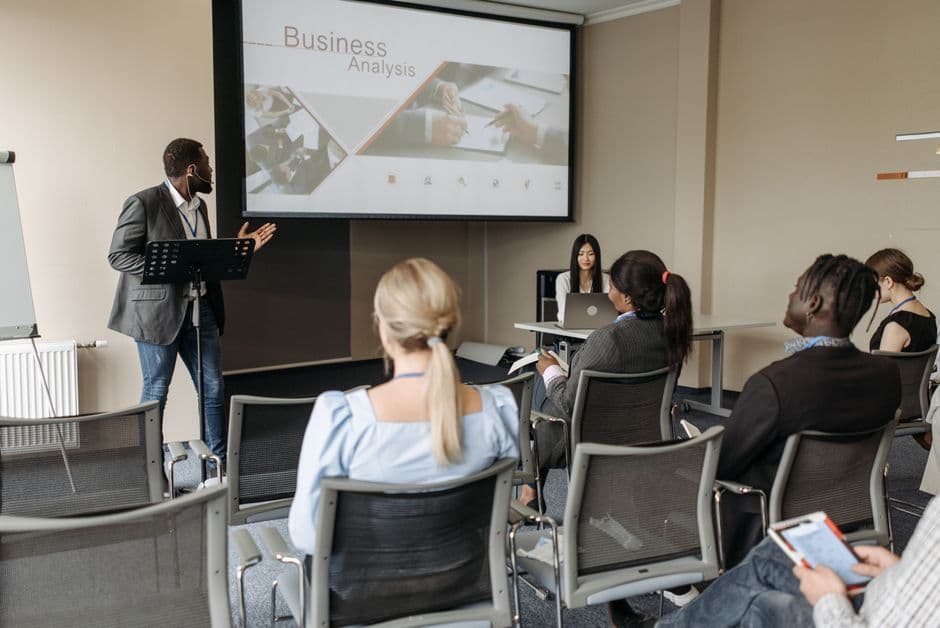
Stock photo for illustration only, not from the actual event
- Microsoft unveils a new Copilot structure featuring Home, Code, and Autopilot workspaces.
- CEO Satya Nadella emphasizes that AI must integrate into workflows while businesses retain control.
- Agent 365 is launched to govern IT operations, cybersecurity, and financial operations.
- Full versions of Word, Excel, and PowerPoint are integrated directly into Copilot.
Microsoft has announced a major overhaul of its Copilot platform, dividing its capabilities into three distinct workspaces: Home, which combines chat, Cowork, and daily briefing summaries; Code, allowing general employees to build applications using natural language prompts; and Autopilot, an AI teammate equipped with its own identity, memory, and computer use to monitor and push tasks forward 24/7. Additionally, full-scale versions of Word, Excel, and PowerPoint have been integrated into Copilot.
The announcement took place at an exclusive event hosted by Microsoft for enterprise customers in the Frontier program, a group granted early access to test new capabilities and provide direct feedback. Microsoft CEO Satya Nadella kicked off the event before handing the stage over to Jacob Andreou, Executive Vice President of Copilot, to demonstrate the new features.
This major update highlights Microsoft's strategy to transition AI from a standalone chatbot into a foundational layer for enterprise productivity, embedding intelligence directly into widely used office applications like Word, Excel, and PowerPoint to minimize workflow friction.
Stock photo for illustration only, not from the actual event
Satya Nadella outlined two core design principles for Microsoft's AI development: first, AI must fit naturally into human work flows while humans retain directional control; second, organizations must maintain business control in an era of continuous machine learning. He acknowledged that the first principle is extremely difficult to design as AI dismantles traditional workflows and redefines the human-in-the-loop concept, giving rise to new notions such as the software factory.
"แก่นของบริษัทคือการสร้างความรู้ที่ฝังอยู่ในตัวคน ซึ่งเติบโตแบบทบต้นจากทุนมนุษย์ AI ต้องช่วยให้บริษัทสร้างและเก็บความรู้นั้นไว้ได้มากขึ้น ไม่ทำให้แก่นของธุรกิจรั่วไหล"
Satya Nadella
To ensure these principles become a reality, Microsoft established three core pillars, beginning with trust. Agent 365 was built specifically to address insider risks posed by AI agents, covering IT Operations, Security Operations, and Financial Operations to ensure that every agent action is recorded, governed by policy, and financially tracked.
Addressing the second pillar of intelligence, Satya explained that it requires combining organizational context via Work IQ and Web IQ with action boundaries and a flexible model system that allows companies to evaluate and switch models. Jacob Andreou added that diffusion, rather than raw intelligence, is the current bottleneck, noting that Microsoft has unified consumer and enterprise Copilots to serve nearly 90 million users paying for Microsoft 365 independently.
Source: Techsauce
Found something wrong in this article? Report an issue with this article
Comments
Leave a Comment