

WESR Brings Peruvian Heritage Murals Across European Cities
Peruvian-born artist Danny Figueroa, known as WESR, blends Andean folklore, traditional masks, and contemporary graphics into murals across Europe.
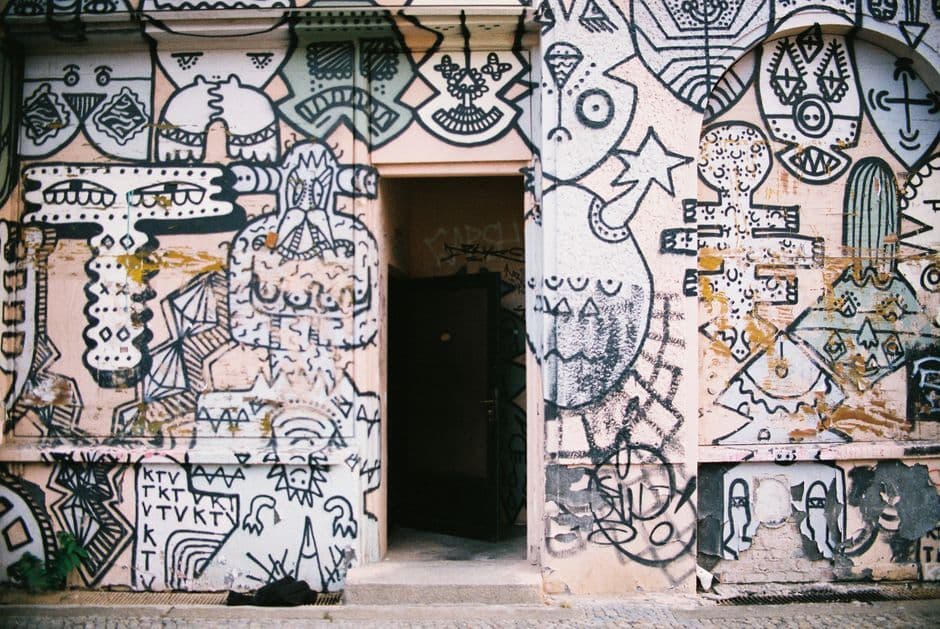
Stock photo for illustration only, not from the actual event
- Danny Figueroa, aka WESR, was born in Chiclayo, Peru in 1980 and is currently based in Berlin.
- His art blends hybrid figures of humans, animals, and spirits inspired by Andean legends like Ukuku and Qhapaq Qolla.
- He creates murals through improvisation, using existing wall flaws, stains, and holes to guide his compositions.
- His diverse practice spans murals, studio paintings, illustrations, and ceramics.
Danny Figueroa, widely known by his artistic moniker WESR, was born in Chiclayo, Peru, in 1980. He began his artistic journey painting graffiti in Lima in 1996 before eventually relocating to Berlin, Germany, where he currently lives and works. His comprehensive artistic practice bridges murals, studio paintings, illustrations, and ceramics.
WESR's creative process thrives on a continuous dialogue between different cultures, identities, and geographies. Drawing heavily from the visual traditions of the Peruvian Andes alongside contemporary urban culture, he crafts figures that exist in the liminal space between human, animal, and spirit. This unique synthesis bridges traditional Peruvian heritage with modern urban settings across Europe.
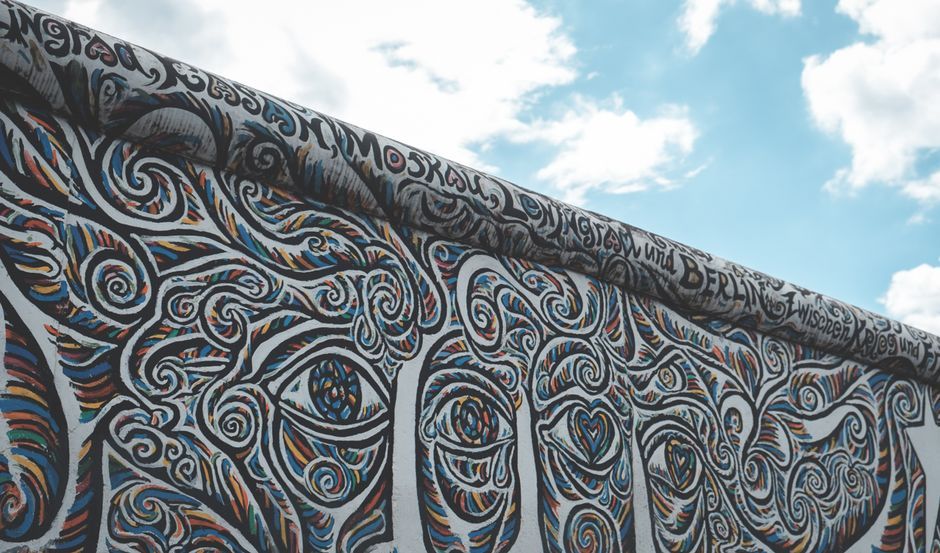
Stock photo for illustration only, not from the actual event
Cultural memory accompanies the artist, evolving into new expressions as it crosses borders. Figures rooted in Andean folklore and mythology—such as the Ukuku and Qhapaq Qolla—form the backbone of his visual vocabulary. Rather than rigidly reproducing historical traditions, WESR reinterprets them through his personal experiences and graphic style, probing deep into themes of identity, spirituality, and belonging.
The mask serves as a recurring motif in his work. Within traditional ritual contexts, a masked figure acts as a vessel allowing another entity to manifest. This fluid boundary between human, beast, and spirit permeates WESR's figures, where the wearer and the mystical entity frequently merge into a single entity.
The integration of indigenous folklore into contemporary European street art exemplifies how immigrant and diaspora artists maintain a vital connection to their roots. By utilizing iconic Andean mythical figures, WESR recontextualizes ancient spiritual traditions into modern architectural spaces.
This organic approach also dictates his mural creation method. WESR begins by closely studying the target wall, letting existing surface marks, stains, and holes dictate shapes and gestures. Instead of imposing a rigid predetermined design, he relies on improvisation to uncover forms already latent in the architecture.
Ultimately, WESR’s ongoing body of work under Southern Muralism ensures that southern spirits find new physical forms across the walls and urban landscapes of European cities.
Source: designboom
Found something wrong in this article? Report an issue with this article
Comments
Leave a Comment