

Young Ladakh women guide tourists through India's dark sky
Meet the four young women in Hanle, India, who transformed from homestay hosts to astronomy guides, leading thousands of tourists to view the Milky Way.
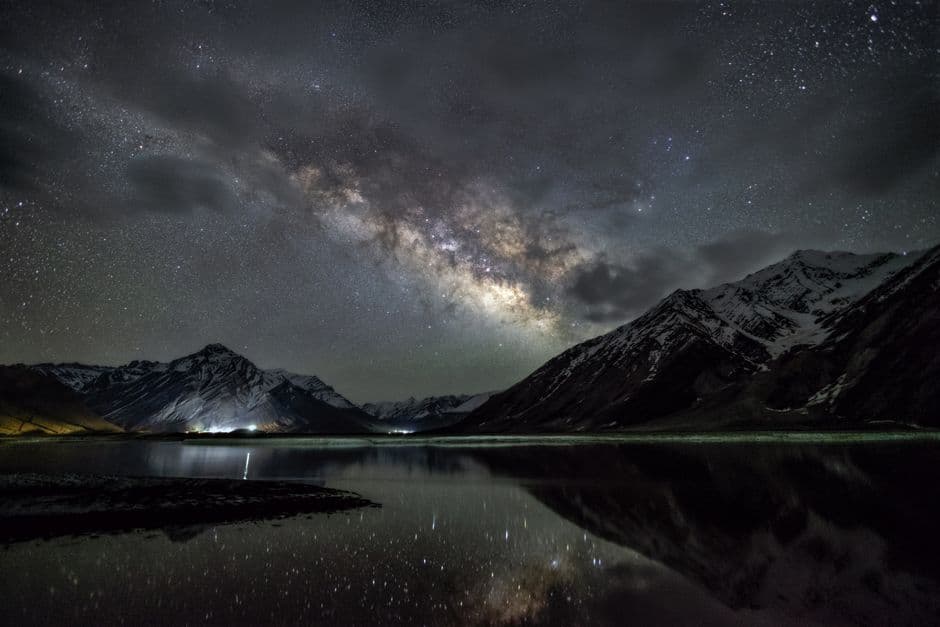
Stock photo for illustration only, not from the actual event
- Hanle in India's Ladakh region sits at 4,500m with exceptionally clear, dark skies.
- Four local women completed a 15-day training program to become official astronomy guides.
- Visitor numbers surged from roughly 3,000 five years ago to nearly 30,000 recently.
- The guides earn about 25,000 rupees monthly, gaining financial independence.
It is 10 pm and bitterly cold in Hanle. Strong winds sweep across this remote village in India's Himalayan Ladakh region, but visitors gather outside after dinner instead of heading to bed.
At 14,764 ft (4,500 m) above sea level, Hanle is renowned for its exceptionally clear and dark skies. Bundled in thick jackets and woollen caps, tourists gather to gaze at the Milky Way, the Moon, and distant stars through telescopes.
Among them are four young women: Palzes Angmo, Tsering Dolker, Tsering Yangdol, and Padma Chamchot. They serve as Hanle's astro-ambassadors, trained specifically to guide visitors through the night sky.
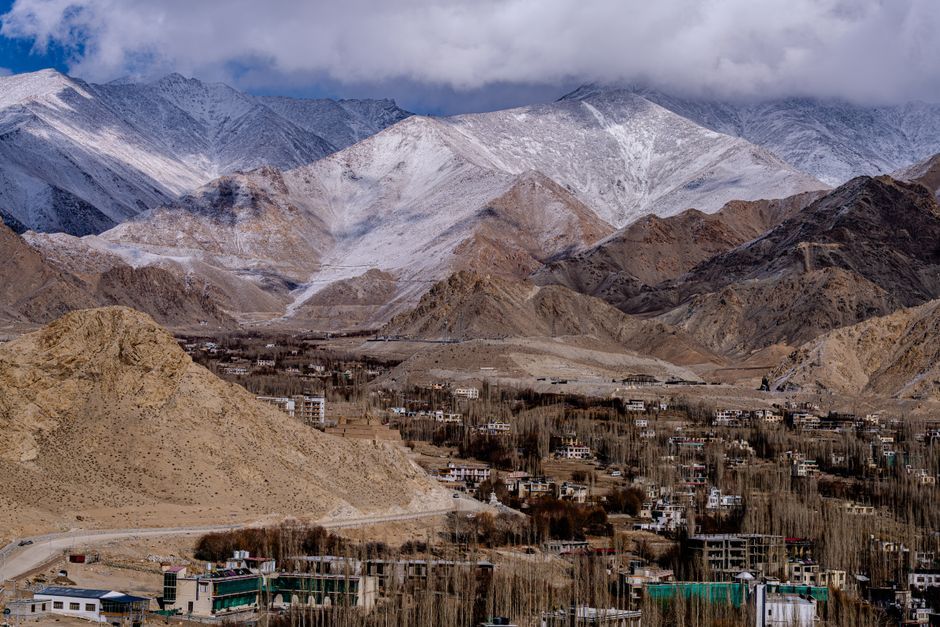
Stock photo for illustration only, not from the actual event
By day, they cook meals, clean rooms, and manage family-run homestays. By night, they set up telescopes, trace constellations with laser pointers, and explain the cosmos to stargazers. All in their late 20s, these women grew up watching these stars but only recently learned to study them through scientific equipment.
Hanle's high-altitude location, dry air, and lack of light pollution make its skies prized by astronomers, offering good viewing conditions on around 260 nights a year. It also houses the Indian Astronomical Observatory and became India's first Dark Sky Reserve in 2022.
Visitor numbers have surged dramatically from about 3,000 a year five years ago to nearly 30,000 in 2024-25. In 2022, local administration and the Indian Institute of Astrophysics trained 24 young people, including these four women, over a 15-day program.
"The sky here has always been twinkling like this."
Tsering Dolker
The astro-ambassador initiative in Hanle highlights how astro-tourism can empower remote mountain communities by creating alternative high-value livelihoods while incentivizing the preservation of natural dark skies against urban light pollution.
Their evenings begin around 9 pm, positioning telescopes to show visitors the Moon's craters, Saturn's rings, and bright stars like Vega before targeting the Milky Way. They also assist guests with smartphone camera settings to capture the galaxy.
Aside from their family homestay income, the women earn about 25,000 rupees ($260) a month from astronomy sessions, charging 200 rupees per session. This income provides financial independence, allowing them to save money and purchase personal items.
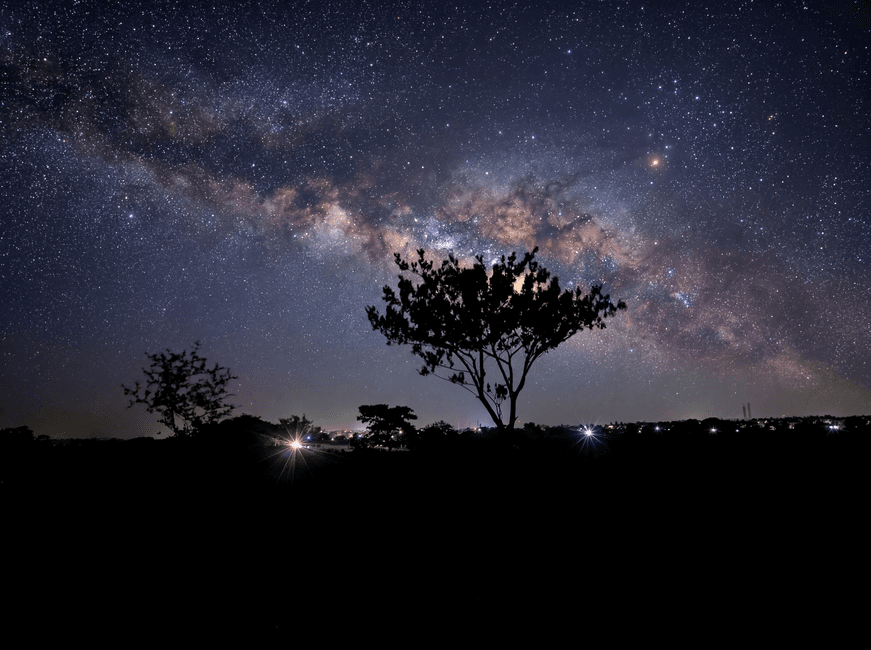
Stock photo for illustration only, not from the actual event
However, rising popularity brings risks. Increased traffic, construction, and artificial light threaten the pristine darkness that defines Hanle. Sonam Jorphail from the IAO notes that growth must be carefully managed, while longtime residents observe that the night sky is already changing.
Source: BBC Science & Environment
Found something wrong in this article? Report an issue with this article
Comments
Leave a Comment