

First home deposit guide: How to save £17,000
Explore the UK First Home scheme, average £16,850 deposits, and four expert savings strategies to get on the housing ladder.

Stock photo for illustration only, not from the actual event
- The Your First Home scheme aims to help first-time buyers in England secure mortgages.
- A 5% deposit on an average UK home of £272,000 totals around £16,850 with fees.
- Regular savings contributions right after payday help build disciplined financial habits.
- LISAs offer a 25% government bonus but carry strict property caps and penalties.
Crossing the finish line to buy your first home requires treating the savings journey like a rigorous marathon. Announced on Saturday, the Your First Home scheme in England is designed to assist first-time buyers in entering the property market with smaller upfront deposits. According to financial information service Moneyfacts, securing a 5% deposit on the current average UK house price of £272,000, alongside moving costs and legal fees, requires approximately £16,850. While this figure can feel intimidating, financial experts outline four practical strategies to jumpstart your deposit fund.
The first strategy involves depositing an affordable amount into a regular savings account on the day following your payday. Anna Bowes, a savings expert at financial advisory firm The Private Office, suggests treating it like any other recurring bill that will benefit you in the future. The ideal account type depends entirely on your personal circumstances, as some high-interest options require holding a current account with the same provider. Savers must also weigh whether locking funds away yields better rates or if an easy-access account is necessary to handle unexpected bills.
The second option is utilizing a Lifetime Individual Savings Account (LISA), which permits annual deposits of up to £4,000 paired with a guaranteed 25% government bonus adding £1,000 yearly. However, a significant catch has penalized certain savers. LISA funds can only be applied toward a first home valued up to £450,000, a threshold frozen since 2017. Outside of purchasing a home, withdrawals are restricted until age 60 or terminal illness with under 12 months to live, meaning any other withdrawal triggers a financial penalty that could return less than your original principal. Ministers intend to replace the LISA with a First Time Buyer ISA, though concrete operational details remain unannounced.
"It becomes like another bill, but one that you can benefit from in the future."
Anna Bowes
The third approach highlights the power of starting early to leverage compound interest. Bowes notes that saving £50 monthly starting at age 20 accumulates roughly £41,000 by age 50 under a 5% annual interest assumption. Delaying the start by a decade forces savers to more than double their monthly contribution to £101 to reach the same milestone at 50. Alternatively, investing in stocks and shares presents another path, though investment values fluctuate and carry inherent market risks.
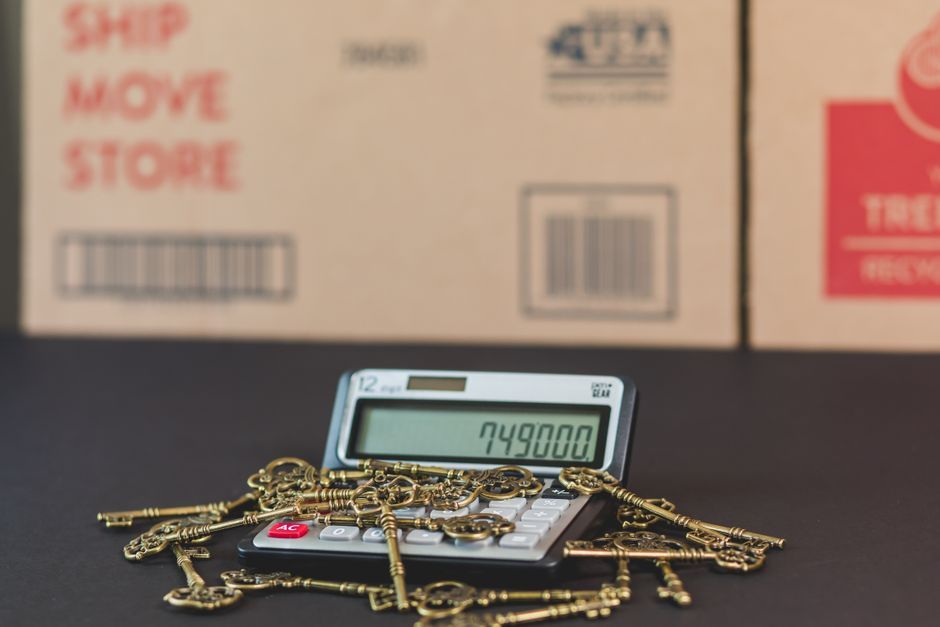
Stock photo for illustration only, not from the actual event
The UK housing market continues to pose significant financial hurdles for aspiring homeowners, driven by high property valuations and shifting economic conditions. While government savings schemes and alternative mortgage products offer pathways to ownership, consumers must navigate complex regulatory caps and potential withdrawal penalties carefully to safeguard their long-term financial health.
The final approach involves targeting smaller deposits. A growing number of lenders offer mortgage products requiring minimal or zero deposits, with David Hollingworth from L&C pointing to options starting from £5,000 that permit borrowing up to 98% or 99% of the property value. These products may not suit everyone or remain universally accessible. Furthermore, many first-time buyers rely on parental support; data from a Nationwide Building Society survey indicates that over half of parents charging adult children rent allocate some or all of those funds toward their child's home deposit savings.
Source: BBC Business
Found something wrong in this article? Report an issue with this article
Comments
Leave a Comment